
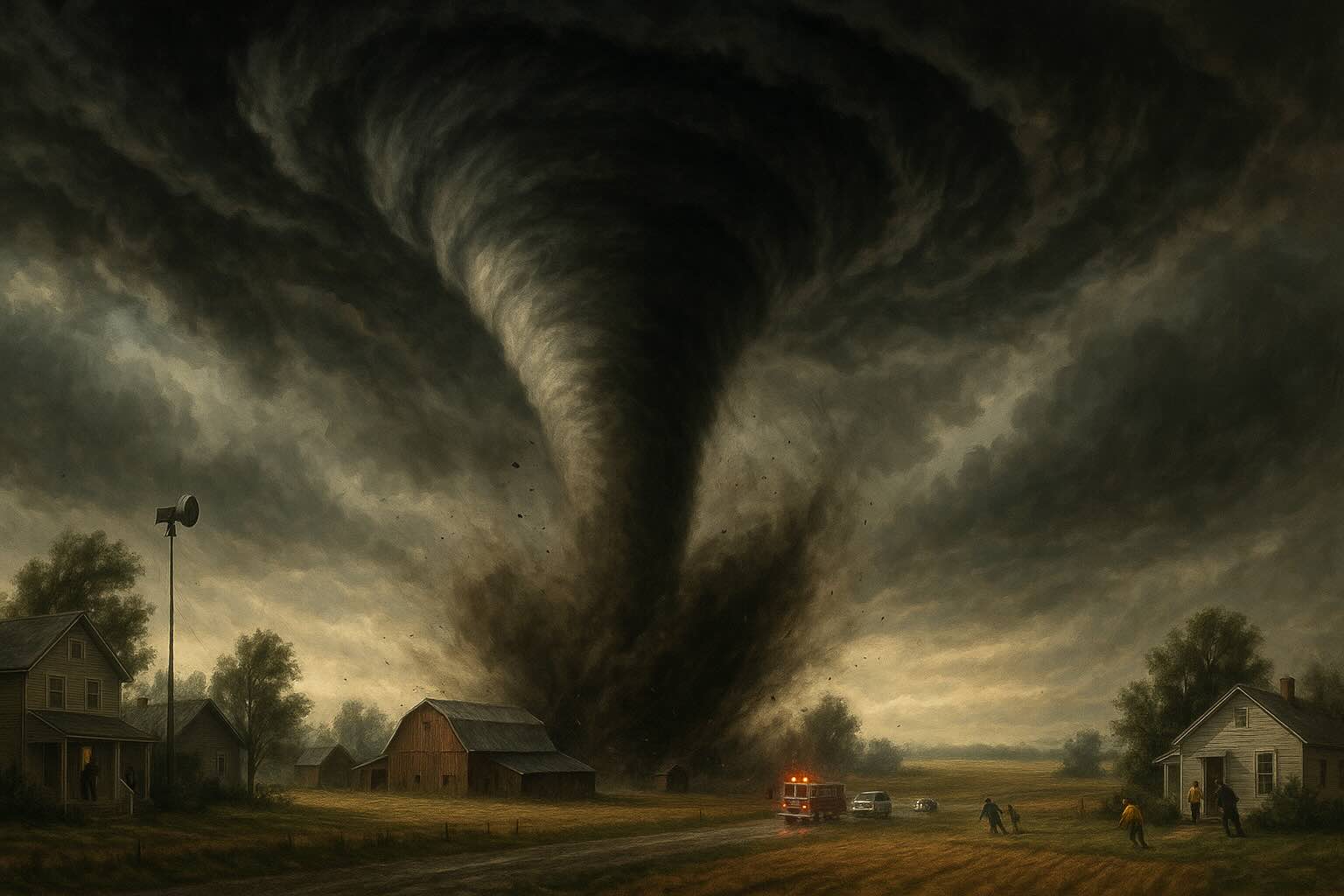
When most people picture a tornado, they imagine a towering, twisting column of wind sweeping across open plains, uprooting trees and tossing debris. But how does this awe-inspiring natural phenomenon actually form—and what are its impacts on the communities it strikes? As a meteorologist, I’d like to take you through the science behind tornado formation, the warning signs to watch for, and some real-world perspectives on their human cost.
The Science Behind Tornado Formation
Tornadoes are most commonly born from powerful thunderstorms called supercells. These storms develop when warm, moist air near the ground collides with cooler, drier air above—often along a boundary known as a dryline or cold front. This clash can create intense instability and, when wind direction and speed change sharply with height (a phenomenon called wind shear), the updraft in the storm begins to rotate. If the rotation tightens and intensifies enough, a funnel cloud may develop and eventually touch the ground, becoming a tornado.
The United States, especially the Central Plains—also known as "Tornado Alley"—experiences more tornadoes than any other country. This is largely due to its unique geography, which allows frequent mixing of warm, moist Gulf air with cold, dry Canadian and Rocky Mountain air.
When Tornadoes Strike: The Human Impact
Communities in tornado-prone areas live with a dual reality: an awareness of the threat and a remarkable resilience. Most tornadoes are narrow and short-lived, but the most severe can be over a mile wide and stay on the ground for dozens of miles, as in the case of the 2011 Joplin, Missouri EF5 tornado. The aftermath of such events often involves mass displacement, loss of homes, interruption of services, and long-term psychological impacts. However, it’s also where we see incredible stories of community solidarity, from neighbors banding together for cleanup to volunteers arriving from across the country.
Safety Tips: Preparing for Tornado Season
- Stay Informed: Invest in a NOAA Weather Radio, and sign up for community emergency alerts.
- Identify Shelter: Know where to go during a warning—preferably a basement, storm cellar, or small, windowless interior room on the lowest floor.
- Prepare an Emergency Kit: Include water, nonperishable food, a flashlight, batteries, first aid supplies, and important documents.
- Practice Drills: Make sure all family members know your tornado plan and practice it regularly, especially if you live in high-risk areas.
Moving Forward
While we cannot prevent tornadoes, advancements in radar and forecasting mean we’re better equipped than ever to predict and prepare for them. But the greatest assets in facing these ferocious storms are informed citizens, strong infrastructure, and resilient communities ready to weather nature’s fiercest winds together.
Stay safe, stay prepared—and if you have your own tornado story or tips, share them in the comments below. I’m Dusty, and I’ll keep you posted on the science and stories behind our world’s wildest weather.
Leave a Reply