
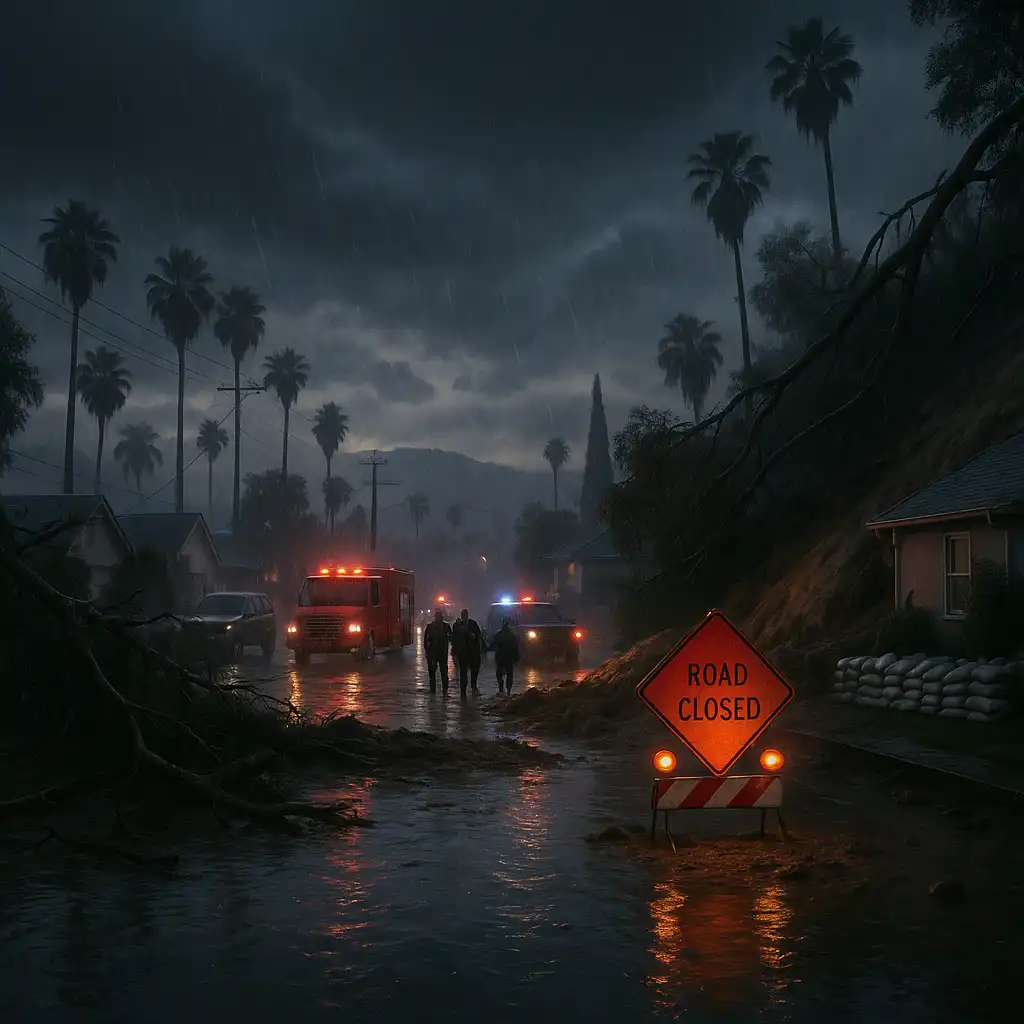
As the nation rang in 2026, the West Coast — already no stranger to weather extremes — was besieged by a relentless series of storms that battered California with record-shattering rainfall, destructive winds, and widespread flooding. For communities from Santa Barbara to Los Angeles, this holiday season became a harrowing reminder of nature’s sheer force, with impacts rippling through homes, roadways, and the very fabric of daily life.
The Science Behind the Deluge: Atmospheric Rivers on the Move
Meteorologists have been tracking atmospheric rivers — immense bands of moisture-laden air from the Pacific — aiming their firehose-like torrents at the California coastline. This particular series coincided with a potent low-pressure system, delivering not only soaking rains but also high winds and heavy mountain snows. Rain rates reached up to 0.60 inches in just 30 minutes in Ventura County, while mountainous regions north and northwest of Los Angeles recorded an astonishing 4 to 8 inches since just before Christmas [3].

It’s not just the rain: severe thunderstorms knocked out power for thousands, and wind gusts felled trees and powerlines. The wettest Christmas Eve–Christmas Day holiday since 1971 was officially logged at the downtown Los Angeles weather station, underscoring the historic nature of this event.
Floodwaters, Mudslides, and Washed-Out Roads: Community Impacts
Residents and first responders have endured a gauntlet of hazards. Across Los Angeles and Ventura counties, the deluge triggered rockslides and mudslides, washing out critical roadways and stranding travelers. The infamous Cajon Junction on Interstate 15 was shut down by debris flows, while sections of I-5 in Los Angeles County were closed due to flooding. The San Bernardino Mountains, still recovering from earlier wildfires, saw particularly dangerous debris flows, further highlighting the region’s vulnerability [3].
Long-time residents shared stories of water lapping at their doorstep, landslides threatening hillside homes, and entire neighborhoods working together to clear drains or sandbag driveways. For many, the holidays turned from celebration to survival, as flooding cut off communities or forced evacuations.
Records Set — and a Warning for the Future
This storm wasn’t a one-off. It fits the growing trend of more intense and frequent atmospheric river events, intensified both by the current El Niño pattern and by climate change’s impact on weather extremes. The atmospheric rivers striking California this season have repeatedly tested the state’s aging water infrastructure and disaster preparedness. With mudslides, flooding, and even heavy snow for higher elevations, the state has been reminded yet again that Mother Nature’s risk profile is shifting — and communities must adapt, both in terms of hardening infrastructure and fine-tuning emergency response [3].
Safety Tips: Facing Floods and Mudslides
- If you live in a flood-prone or burn-scarred area: Prepare sandbags, know evacuation routes, and keep emergency kits accessible.
- Do not attempt to drive through flooded roadways. Turn around and find an alternate route.
- Monitor local weather alerts and heed warnings from the National Weather Service.
- After the storm: Watch for weakened hillsides or possible delayed debris flows, especially as waterlogged soils settle.
As we move into 2026, the weather patterns California and much of the U.S. are experiencing reinforce the urgency for preparedness, community resilience, and ongoing adaptation to a world where extremes are the new normal.
Leave a Reply