
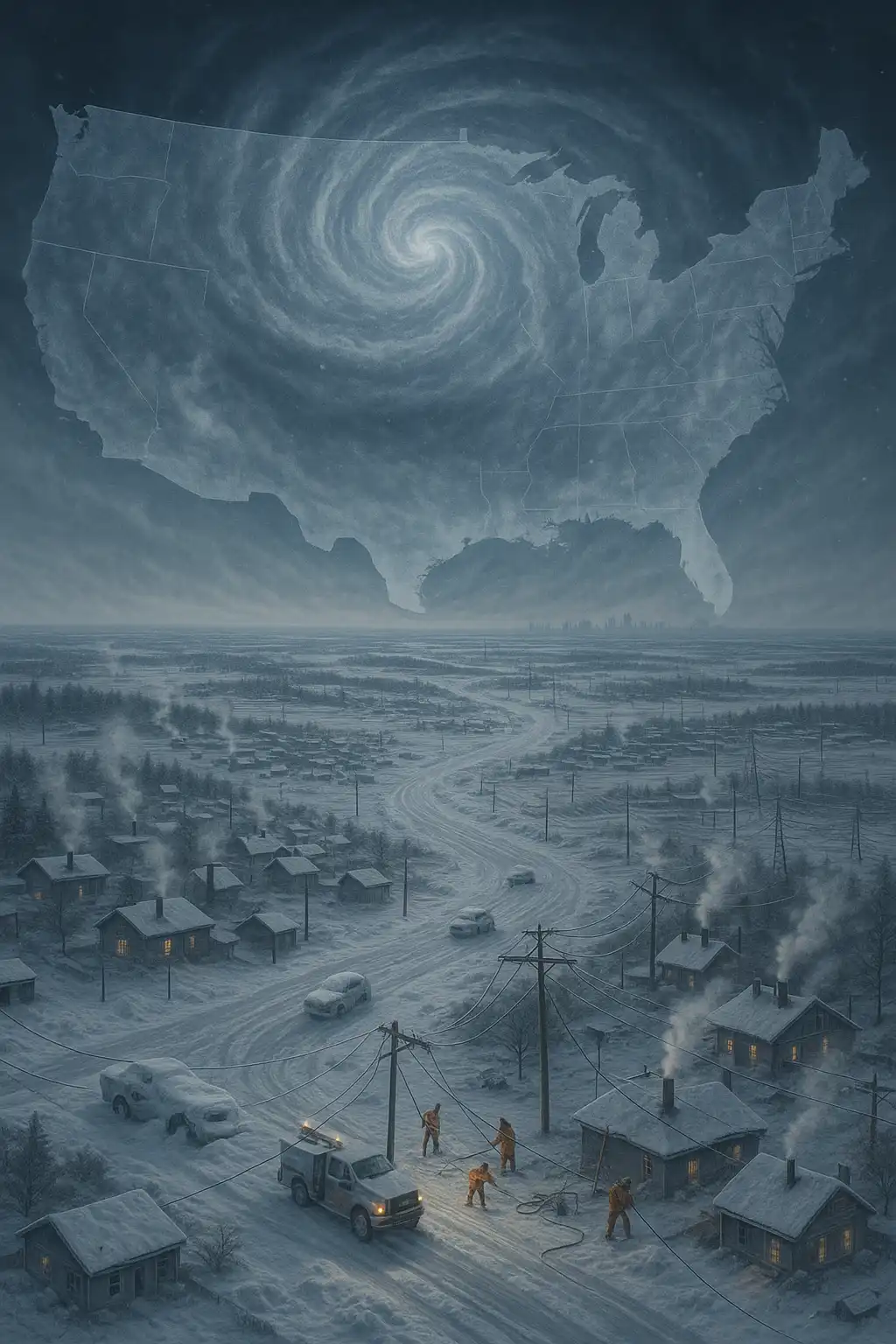
As late January 2026 unfolds, much of the United States faces an extraordinary—and deadly—bout of arctic weather. An immense winter storm has plunged temperatures to dangerous lows from the Deep South to New England, while a persistent wave of frigid air and additional storm threats stretch emergency response systems and communities to the brink.
A Storm Impacting Millions—and Taking a Toll
Over the weekend and into Monday, a massive winter storm swept across two-thirds of the country, impacting some 200 million people with heavy snow, sleet, freezing rain, and a relentless blast of cold air. Lake effect snow buried parts of western and upstate New York, with areas like Buffalo and Syracuse receiving well over a foot of powdery, drifting snow. Meteorologists warned the nation could endure one of the longest and coldest spells in decades—a grim prediction bolstered by the tragic reality that dozens of people have already been confirmed dead in storm-related incidents[1].
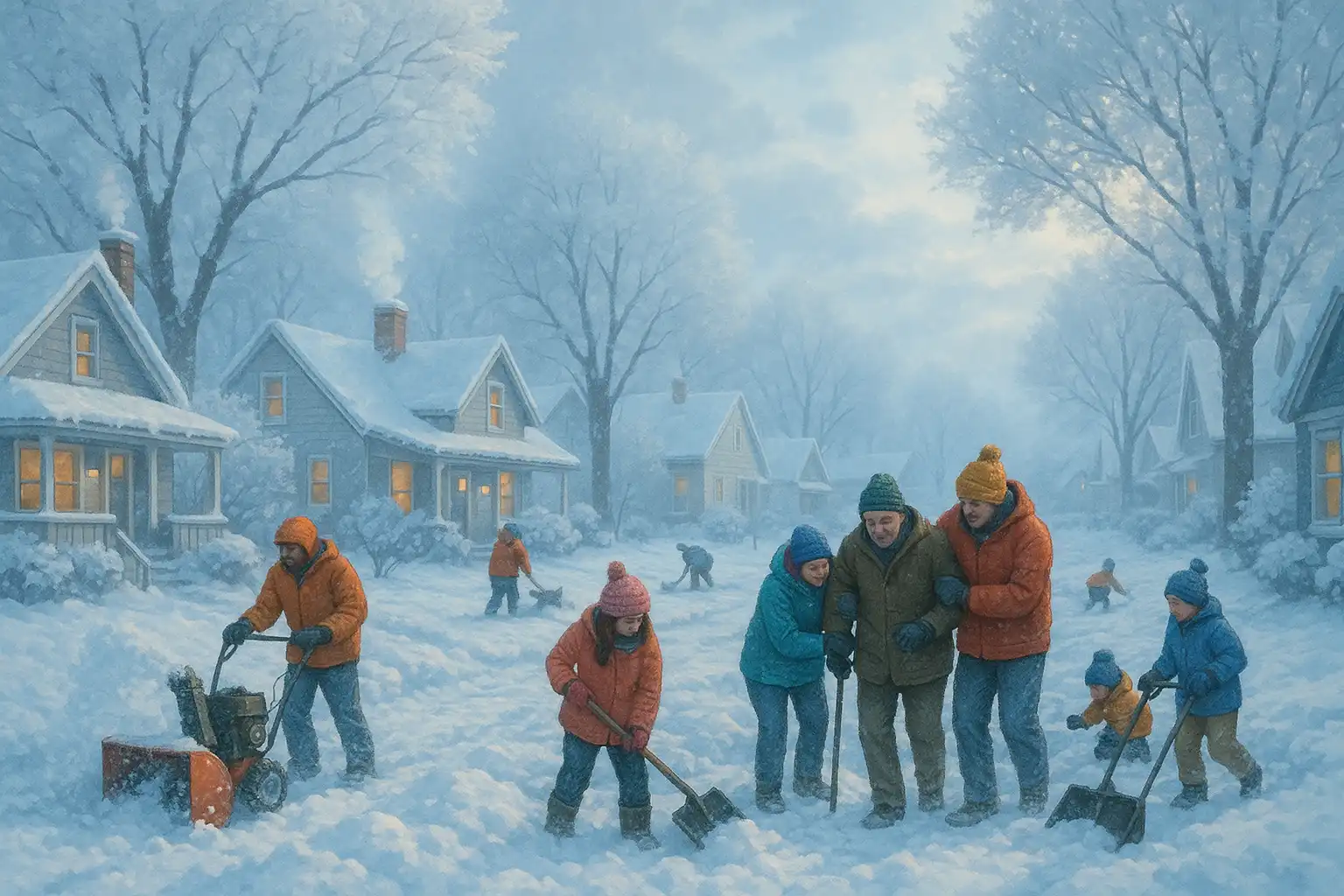
Hardest hit are states in the Tennessee and Mississippi valleys. Nashville, for example, saw power lines and trees pancaked by the weight of ice, resulting in tens of thousands of outages. Emergency workers face a daunting task: clearing downed lines and restoring electricity, while residents struggle to heat their homes. With single-digit highs and wind chills far below zero, many are running out of options: “They’re cold, they don’t have power, they don’t have heat, they’re out of propane, they’re out of wood,” said one emergency management director in Tennessee[3].
Snow, Ice, and the Threat of a Bomb Cyclone
The same system delivered a rare snowstorm to Philadelphia—its largest in a decade. The aftermath left neighborhoods encased in snow and ice, and the city shivered through subzero wind chills. In the coming days, forecasters warn of the potential for another powerful coastal storm, possibly a “bomb cyclone”—a rapidly intensifying low-pressure system capable of producing hurricane-force winds and heavy snow in New England[4]. Crews in places like Manayunk, Pennsylvania, have been working nonstop to clear roofs and roads, mindful that snow buildup can lead to collapsed structures[5].
What’s Driving This Exceptional Cold?
To understand the root of this brutal cold snap, we must look far above Earth’s surface to the stratospheric polar vortex—a swirling mass of cold air that encircles the Arctic every winter. Occasionally, disruptions in the polar vortex can send tentacles of frigid air surging deep into North America, unleashing outbreaks like the current one. While winters overall are trending milder due to climate change, scientists have found that rapid Arctic warming might actually increase the risk of occasional, severe cold events in the mid-latitudes by destabilizing the polar vortex[2].
Human Impact: Communities in Crisis
The human toll is sobering. At least 70 people have died across multiple states due to incidents such as exposure, traffic accidents, and fires caused by attempts to keep warm[3]. Vulnerable populations, including older adults and those without adequate shelter, are especially at risk as warming centers fill up. In many smaller communities, resources are stretched thin, and some local officials warn that helping everyone in need is simply not possible without state or federal aid.
Staying Safe: Tips During Extreme Cold
- Avoid travel when possible; slick roads remain deadly even after snow stops.
- If you lose power, use generators outdoors and never heat your home with a stove or oven.
- Limit time outside and layer clothing to prevent frostbite.
- Clear snow and ice from roofs and driveways to reduce collapse and slip hazards.
Looking Ahead
With forecasts calling for continued frigid temperatures and the chance of new snow and ice events into February, the current episode is far from over. The resilience of communities, strength of emergency services, and awareness of the risks will remain critical as the nation rides out this historic freeze.
References
- Dozens confirmed dead as extreme cold continues to grip large part of U.S. – CBS News
- How Earth’s atmosphere and climate come together to create a polar vortex – Space
- Situation in US South grows more dire after days of ice, frigid temperatures and widespread outages – AP News
- New Jersey elementary school will stay closed the rest of the week after fire – CBS News
- Local roofing company has been shoveling snow and ice off roofs in Manayunk – CBS News

Leave a Reply