
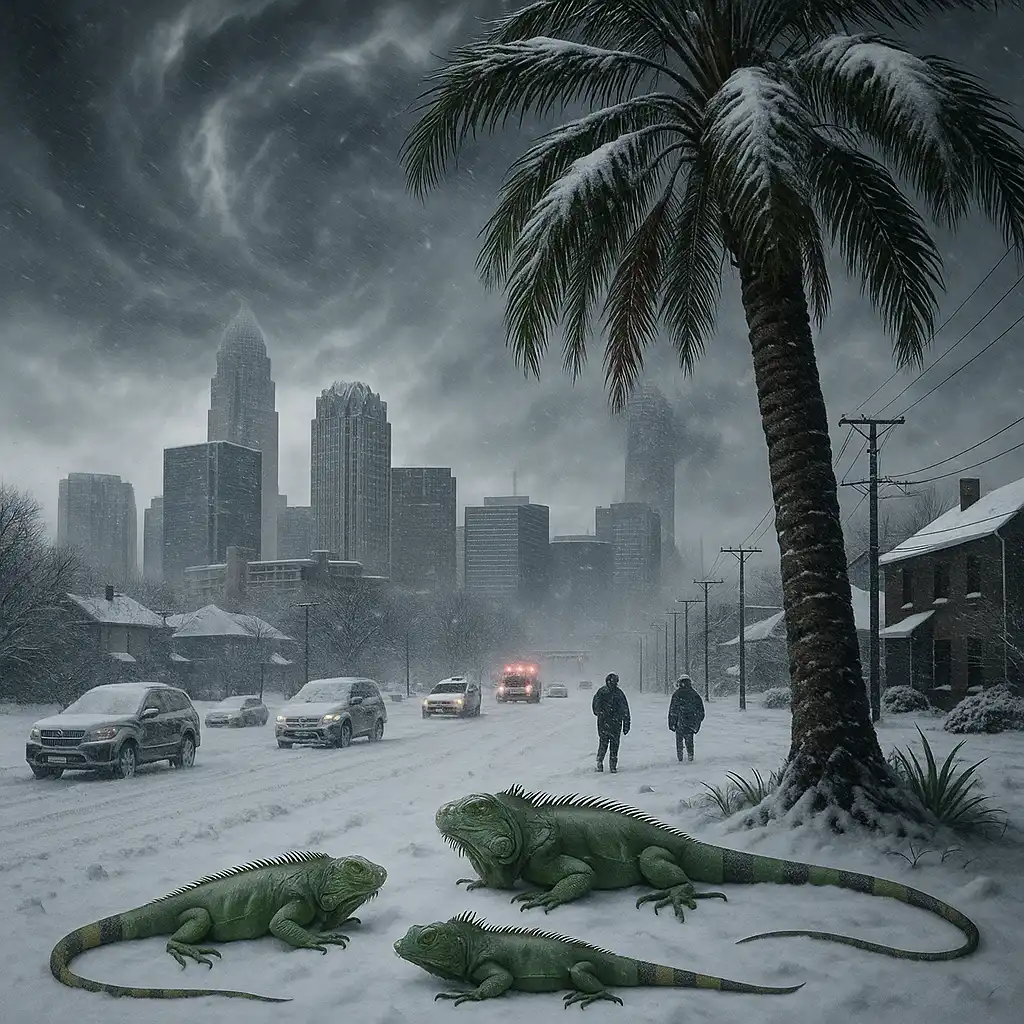
The first days of February 2026 are proving unforgettable for millions across the eastern United States. A powerful winter weather system known as a bomb cyclone blanketed North Carolina in near-record snowfall, crippled transportation, shattered temperature records in the South, and led to surreal scenes of iguanas falling out of Florida trees. For communities across the region—already trying to recover from last week’s devastating ice storm—the persistent cold, outages, and travel chaos have turned daily routines upside-down.
What Is a Bomb Cyclone?
Meteorologists use the term “bomb cyclone” to describe a rapidly intensifying area of low pressure, typically defined by a drop of at least 24 millibars in pressure within 24 hours. These dramatic systems can bring extreme weather, including heavy precipitation, strong winds, and—in winter—intense snowfalls. This week’s bomb cyclone developed off the Southeast coast and pushed frigid Canadian air deep into the South, fueling heavy snow bands and dangerous wind chills from Texas to New England[1].
Record Snow and Cold Blast North Carolina and Beyond
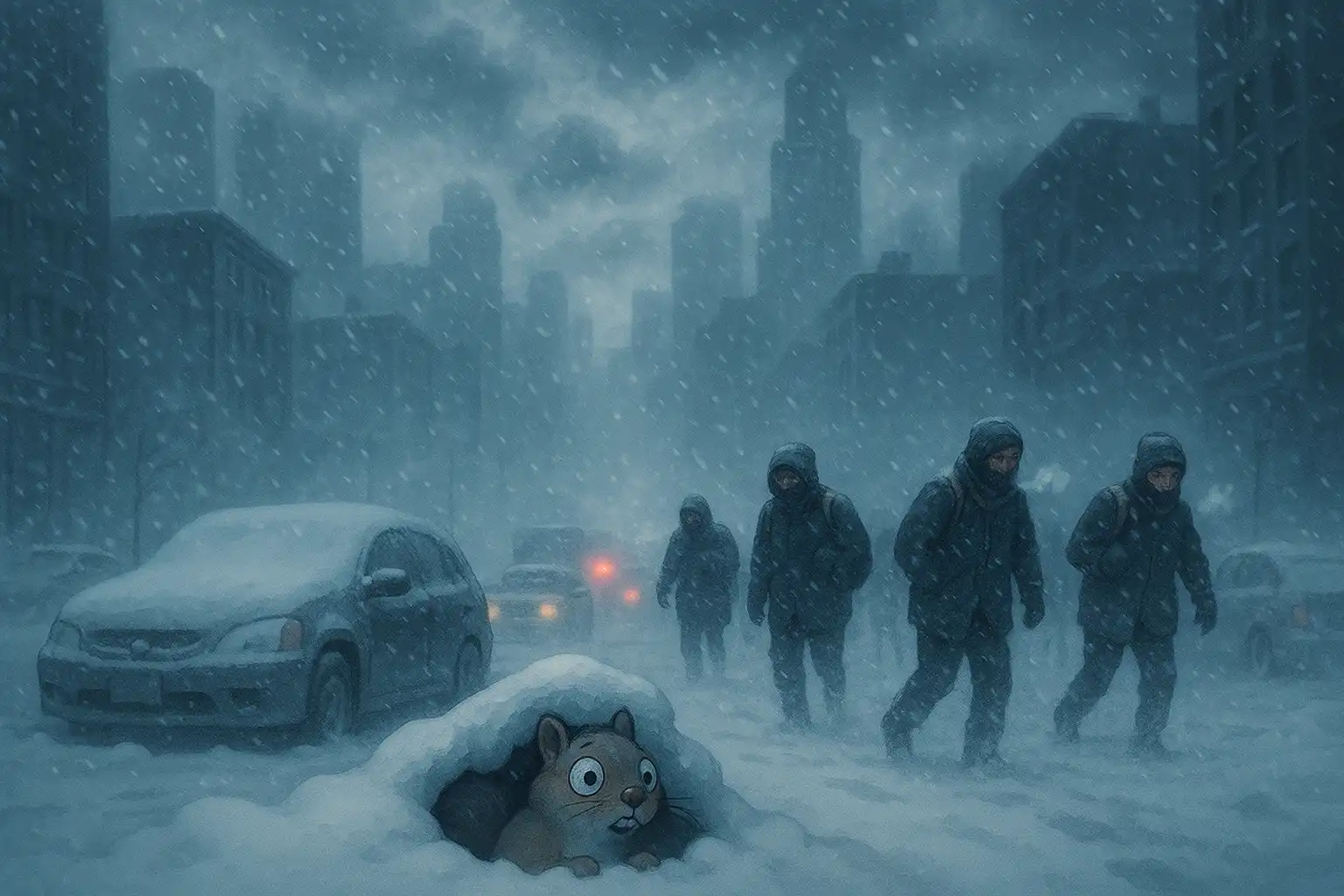
For Charlotte, North Carolina, this event entered the record books: nearly a foot (30 centimeters) of snow fell throughout the region, making it one of the city’s top five snowfalls of all time. The snow caused hazardous travel, a multi-hour shutdown on Interstate 85 following a major accident, and over a thousand traffic collisions across the state[2]. These hazardous conditions resulted in at least two traffic fatalities, according to Governor Josh Stein.
Residents across the eastern U.S. faced wind chills near zero—even into the Deep South—and the coldest air to hit South Florida since 1989[1]. According to meteorologist Peter Mullinax, more than 150 million people were under cold weather advisories or warnings, with many daily low temperature records tumbling throughout the weekend.
Widespread Flight Cancellations and Power Outages
Travel was upended as airports in the South and East scrambled to cope. Over the weekend, more than 2,800 flights were canceled on Saturday alone, with another 1,500 on Sunday—nearly 800 of them involving busy Charlotte Douglas International Airport[2].
Thousands of households across Tennessee, Mississippi, and Florida remained without power well into the week following back-to-back storms. As of Sunday, more than 97,000 customers in Tennessee and Mississippi and 29,000 in Florida were still in the dark. Restoration efforts continue, but some utilities warn that a full return to service could take until next week in the hardest-hit areas[1]. Tragically, more than 110 deaths related to the severe winter weather have been reported across the nation.
Florida’s “Frozen Iguanas” Phenomenon
While snow and ice crippled much of the South, Florida made headlines with a spectacle unique to the Sunshine State: cold-stunned iguanas falling from trees. Since iguanas are cold-blooded reptiles, when temperatures plunge into the 30s and 40s (Fahrenheit), they can become temporarily immobilized and drop from branches. Residents are cautioned not to touch these seemingly lifeless animals—they often recover once the warmth returns[2].
The Human Side: Struggles and Resilience
Behind the statistics lie daily hardships and remarkable solidarity. In parts of the Carolinas where heavy snow covered roads, families opted for safety over travel. “We’re not gonna drive anywhere,” one North Carolina resident remarked. “It’s thick enough that I would not feel comfortable driving with our family”[1]. Meanwhile, power outages left thousands facing not just inconvenience, but cold, darkness, and uncertainty. Emergency shelters, first responders, and neighbors have played a crucial role in supporting vulnerable populations.
Safety Tips for Winter Weather
If you’re in an area affected by the cold:
- Stay indoors and off the roads when possible—snowy or icy travel can be deadly.
- If power is out, use generators cautiously and never operate them indoors.
- Dress in warm layers, and check on elderly or vulnerable neighbors.
- In sub-freezing Florida, resist the urge to help fallen iguanas—they aren’t dead, just temporarily stunned.
Looking Ahead
This sequence of storms is a reminder of the increasing volatility in our weather patterns. When rare Southern snowstorms, hurricane-scale bomb cyclones, and arctic blasts converge, the consequences ripple across infrastructure, economies, ecosystems, and—most importantly—communities. As we ride out the latest extreme, our ongoing preparation and neighborly care remain our best defense.
References

Leave a Reply