
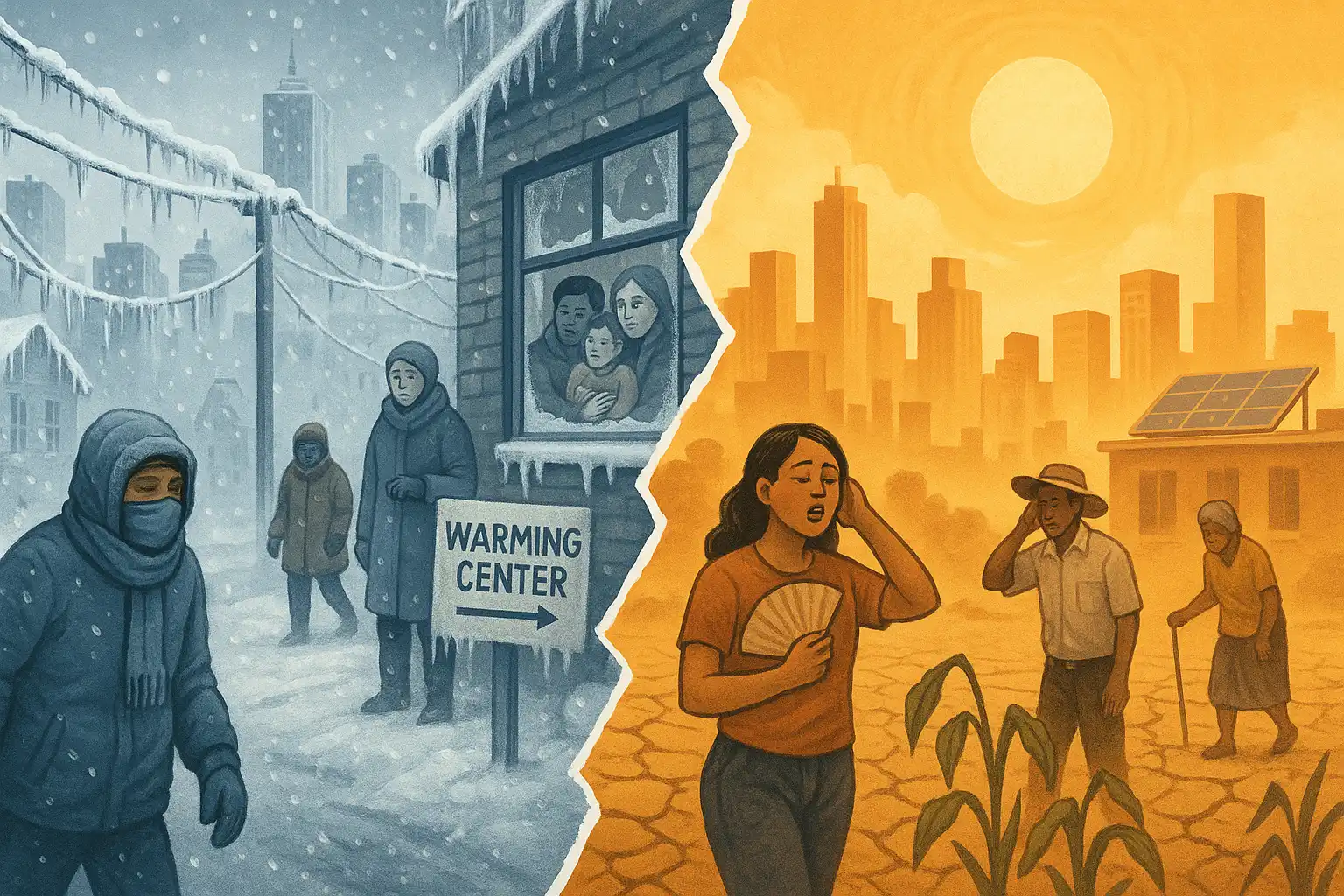
From record-busting blizzards to searing summer heat, Americans across the country are feeling the sting of extreme weather more than ever before. Recent polling paints a dramatic portrait: 80% of U.S. adults report experiencing at least one severe weather event in just the past five years. Extreme cold snaps and heat waves outpace hurricanes or floods as the most commonly felt disasters—a reflection of shifting climate patterns and new atmospheric realities[1][2].
The Science Behind the Surprises
While many associate climate change just with rising temperatures, the science shows a more complex picture. Thanks to rapid warming in the Arctic—where declining sea ice upends age-old atmospheric balance—the polar vortex, once typically corralled over the North Pole, increasingly jolts south. These disruptions unleash blasts of Arctic air deep into the continental United States, resulting in frigid cold waves that can paralyze cities, spike energy demand, and damage infrastructure[1][2].
Real-World Impacts: At Home and Work
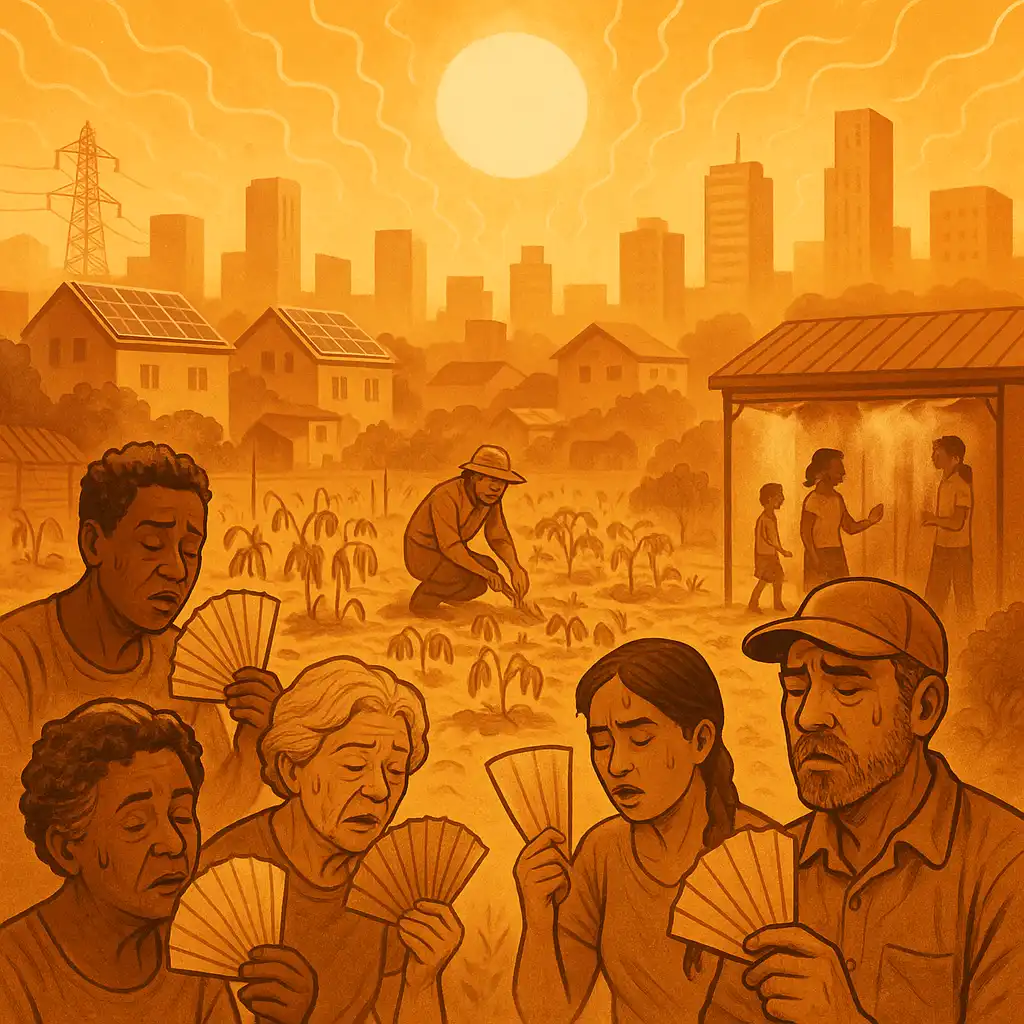
The toll on American households is mounting:
- Roughly 70% saw electricity or gas bills rise last year due to cold outbreaks and winter storms.
- About 40% experienced work or school cancellations caused by wintry weather.
- One-third have struggled through power outages.
- Nearly 30% canceled or delayed travel plans due to wintry hazards[1][2].
This burden is spread widely across the political spectrum—extreme weather doesn’t check your party registration before sending a storm your way. However, Americans differ sharply on what they believe is behind the surge in wild weather: 80% of Democrats who felt the impact blame climate change, compared to about 40% of Republicans[1][2].
Ripple Effects: Food, Health, and Equity
Extreme cold and temperature swings are not just a nuisance—they undermine food security, economic health, and community resilience. In 2024, excessive rain in the Pittsburgh region wiped out produce at local farms, decimating pepper crops and forcing restaurant owners to scramble and try to absorb rising prices. Sudden frosts can kill blossoms and reduce yields; sharp warm-ups in February put perennial crops at risk come March[3]. For small farmers and restaurateurs running on razor-thin margins, every unseasonable chill counts.
Moreover, health and social impacts aren’t distributed evenly. Past EPA research (no longer on the agency site following federal policy changes) found that Black, Latino, and Indigenous Americans are especially vulnerable to climate-driven weather events. Lack of resources, less access to healthcare, and higher exposure to risks like heatwaves, flooding, or pollution leaves these populations bearing a disproportionate share of the burden[4].
What Can Communities Do?
Facing a future of frequent extremes, Americans are adapting in both big and small ways:
- Homeowners are weatherproofing against both heat and cold.
- Cities are investing in warming centers and backup power for the most vulnerable.
- Local governments increasingly debate resilience strategies for energy grids, transportation, and emergency services.
- Community-based mutual aid, food security programs, and disaster response training are gaining traction.
But adaptation alone is not enough. Strengthening scientific understanding, supporting equitable disaster funding, and investing in early-warning systems are crucial. And recognizing the shared vulnerability to weather extremes may help bridge divides as everyone seeks to weather tomorrow’s storms—literal and figurative.
References
- How the extreme cold is negatively affecting the live of more and more Americans, poll shows – New York Post
- How extreme cold is affecting Americans’ lives, according to a new AP-NORC poll – AP News
- Climate pressures hit Pittsburgh farms and tables – Axios
- Trump climate health rollback likely to hit poor, minority areas hardest, experts say – Chicago Tribune

Leave a Reply