
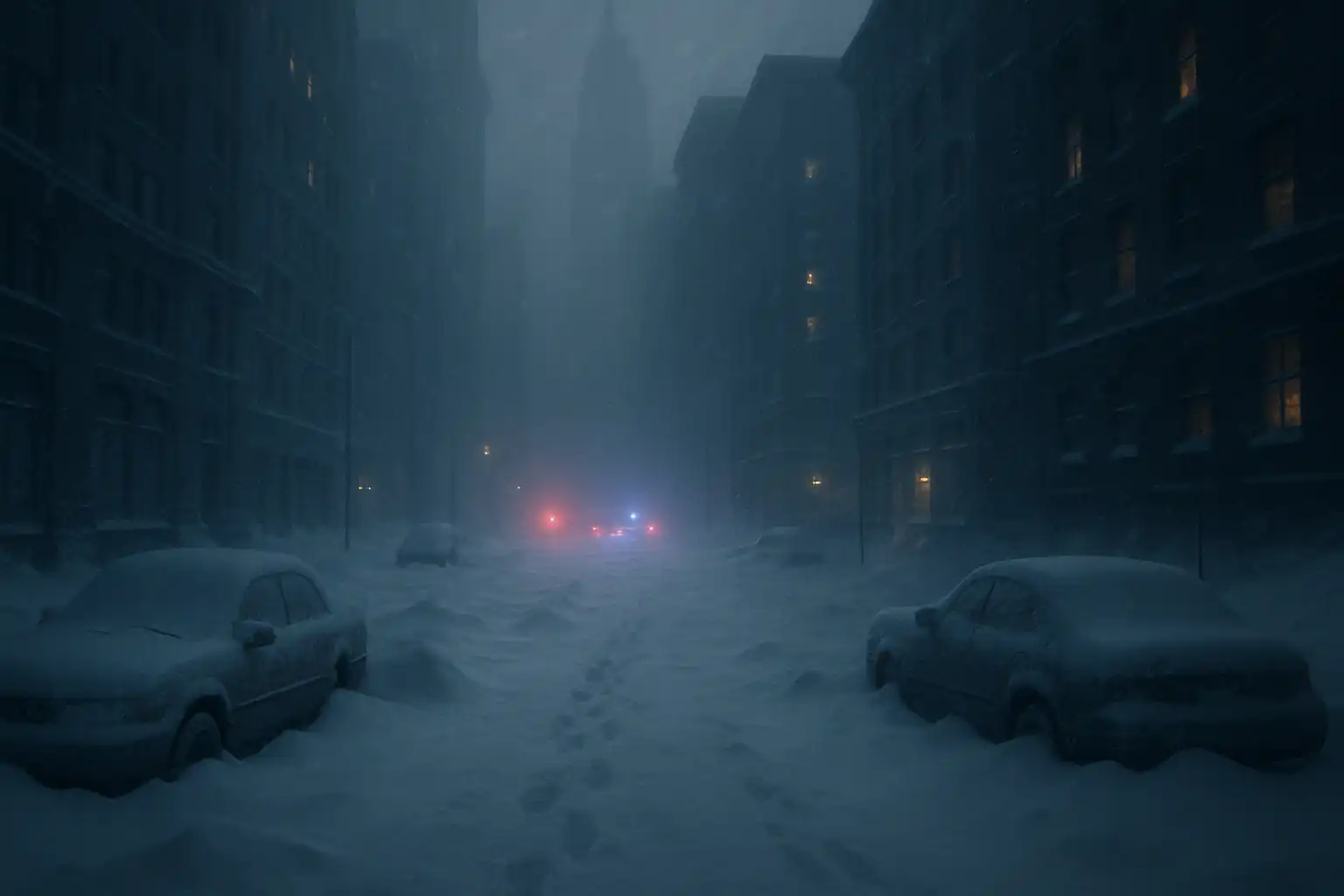
A powerful winter nor’easter swept across the Northeast United States over the weekend, layering cities in deep, powdery drifts and bringing daily life to a grinding halt for millions. As of Monday morning, New York City, Boston, and surrounding metro areas faced nearly impossible travel conditions with blizzard warnings, high winds, and heavy accumulations forcing widespread shutdowns and trapping residents indoors[2].
Blizzard Warnings, Emergency Measures, and Dramatic Snowfall
From Delaware up to Massachusetts, governors and mayors declared weather emergencies, enacted travel bans, and called for residents to stay off the roads so that snow plows and emergency crews could work unhindered[2],[5]. In New York City, Mayor Zohran Mamdani issued the first blizzard warning in nearly a decade, ordering non-essential vehicles off streets from Sunday evening through Monday noon. “I’m urging every New Yorker to please stay home,” Mamdani stressed, underscoring the dangers posed by heavy snow and wind gusts approaching 70 mph[5].
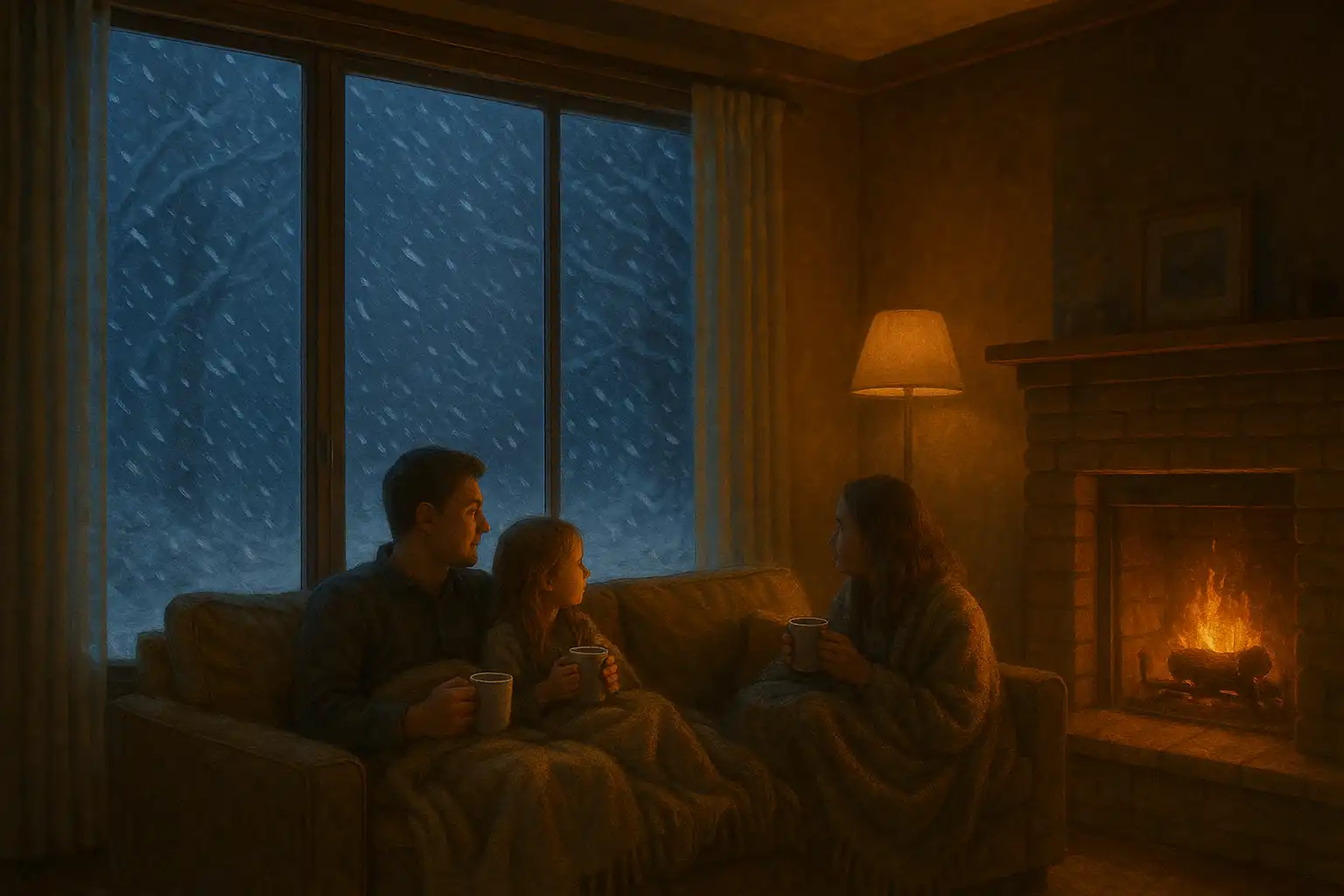
The storm dumped up to two feet of snow in places, with thick, slow-falling flakes mesmerizing viewers as they watched the storm outside their windows or on news feeds[1]. National Guard troops were called in to assist with emergency response on Long Island and in New York City, where some of the heaviest accumulations and strongest winds were reported[5].
Widespread Outages, Disruptions, and the Community Impact
As snow and ice weighed down trees and power lines, hundreds of thousands lost electricity across the region[2]. Many bundled by candlelight or emergency generators, but officials warned these conditions could persist for days. School buildings shut down, families huddled together for “old-fashioned” snow days, and most businesses either closed or shifted to mandatory remote work where possible[5].
The nation’s largest school system, New York City, canceled all public classes and afterschool programs. Even the United Nations complex in Manhattan was forced to shutter for the day[5]. With over 5,500 flights canceled and thousands more delayed by the storm, travel froze as runways and highways disappeared under drifting snow[2].
Safety Tips: Coping With the Deep Freeze
As a meteorologist, I always recommend:
- Stay off roads during blizzard conditions, both for your safety and to allow plows and emergency vehicles to do their jobs.
- If you lose power, never use outdoor generators, grills, or camp stoves inside due to deadly carbon monoxide risk.
- Dress in layers and check on neighbors, especially the elderly or those with mobility limitations.
- Limit time outside; wind chills in a blizzard can cause frostbite within minutes.
Looking Forward
While major storms like this one paralyze the Northeast, they also spotlight both the resilience and vulnerability of modern cities. Crews work night and day to restore power, clear roads, and help isolated community members. Disruptions will eventually fade, but the memory of dazzling snowflakes falling on an eerily-quiet New York lingers—as does the shared experience of weathering another epic winter event.
Stay safe, and remember: In a blizzard, it truly is better to stay home and watch the remarkable power of nature unfold from indoors.

Leave a Reply