
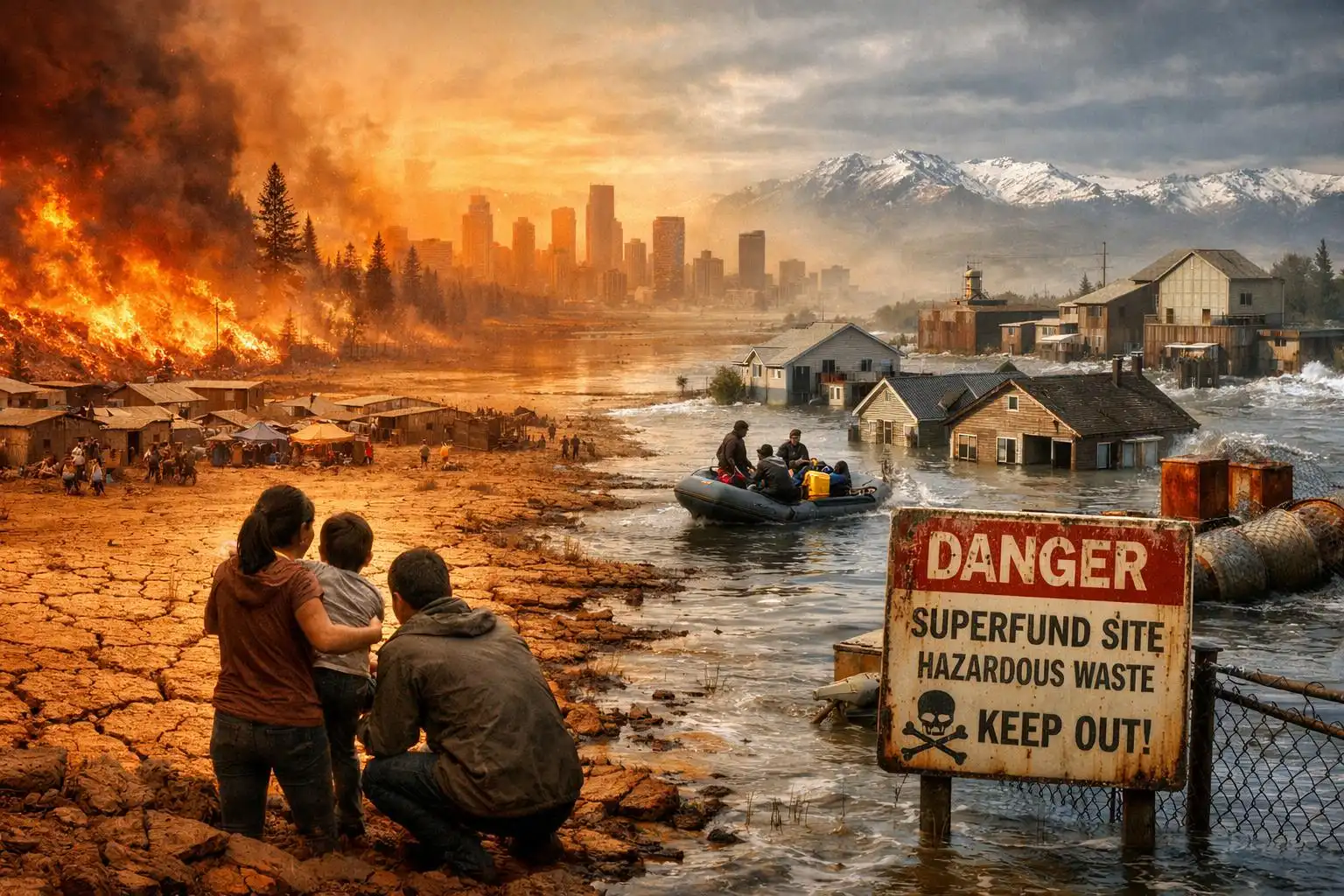
April 2026 is already shaping up to be a revealing month for the shifting landscape of extreme weather and environmental safety in the United States. Record heat, relentless drought, high-stakes wildfire outlooks, and new scrutiny of toxic Superfund sites are illustrating the escalating consequences—and growing intersections—of climate change and human hazard.
Toxic Sites in the Path of Disaster
A recent investigation by the EPA’s Office of the Inspector General has found that many of the nation’s most hazardous Superfund sites—locations contaminated by dangerous waste—are increasingly exposed not only to flooding but also to wildfires[1]. The report follows in the wake of Hurricane Harvey, where severe flooding in Houston inundated seven toxic waste sites, releasing cancer-causing chemicals into neighborhoods and waterways. These incidents highlight a grim reality: as the climate warms, the potential for cascading disasters that mix natural hazards with chemical or radioactive contamination is growing more likely.
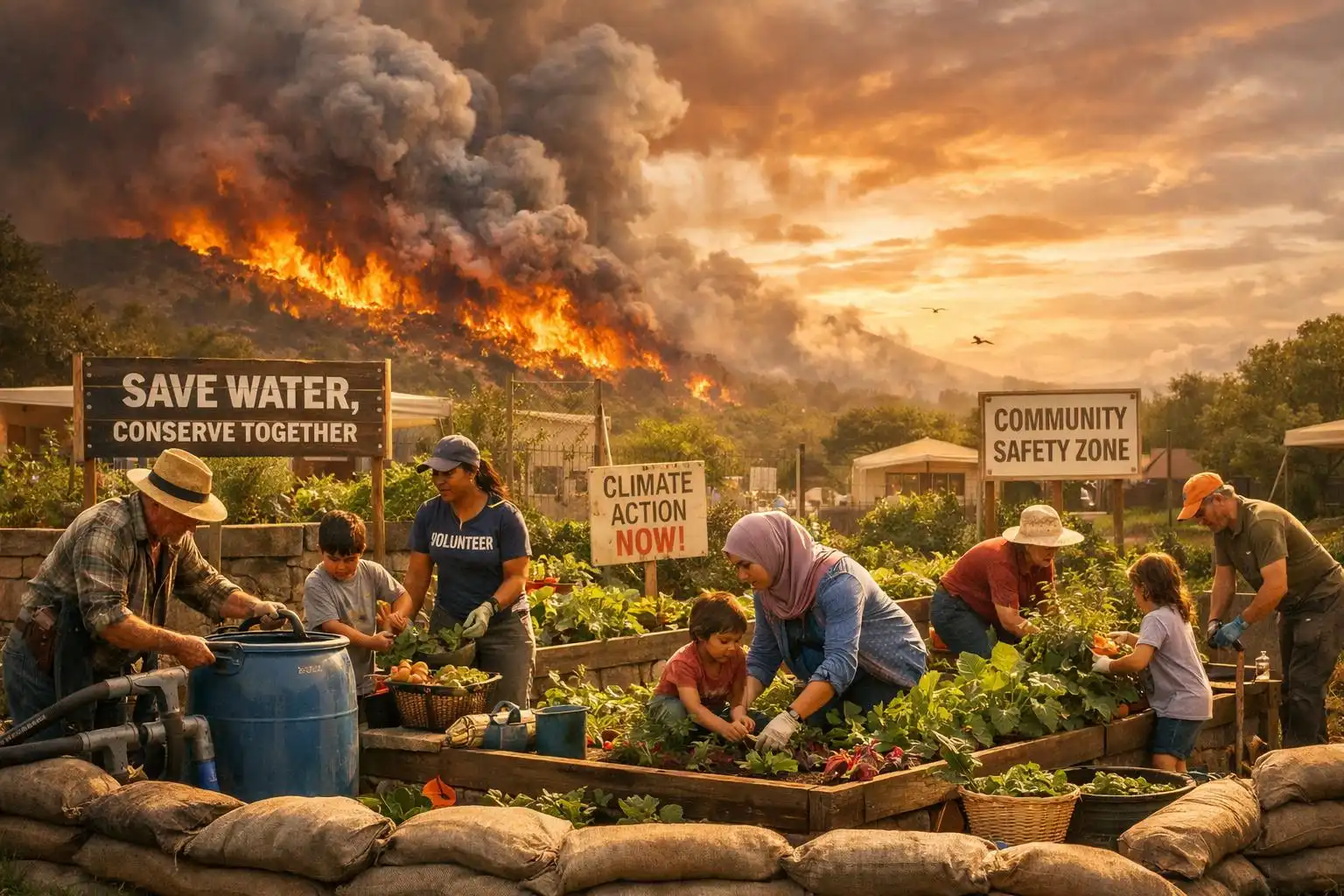
Even as recent political shifts in Washington have complicated references to climate change in official documents, the alarm from scientists and community advocates remains. As Lara J. Cushing, professor at UCLA, noted: “We need to be proactive in responding to rising seas and more extreme weather or face the consequences of increasingly frequent cascading natural-technological disasters that poison communities and local ecosystems.”[1]
California’s Fire Season Arrives Early—and Fierce
Nowhere are the converging hazards more apparent than in California. After a winter marked by vanishing snowpack—just 18% of average near Lake Tahoe this April—fire danger is mounting at a pace rarely seen before[2]. Grasses and brush at high elevations are already accelerated in their growth cycles, setting up mountainsides for a potentially explosive fire season while lowland vegetation dries out far earlier than normal. The National Interagency Fire Center is forecasting “above normal” fire potential across Northern California for the next several months—a period when the state’s resources and organizational structures are also being tested by major federal agency restructuring[2].
With hotter springs, it’s not just wildfires that are a threat. Drier soils mean that flash flooding can become suddenly more intense when the rare storm does hit—compounding risks for toxic site containment and cleanup.
Hazardous Feedback Loops: The New Normal?
The EPA report and California’s situation together underscore a critical pattern: escalating climate extremes are no longer isolated events but intertwined hazards. Flooding can trigger toxic releases, wildfires can burn over chemically-laced soils, and both are made more probable—from the arid West to hurricane-prone Gulf Coast—as global and regional temperatures climb.
The human impact, especially in fence-line communities living near these high-risk sites, is profound. These are often low-income communities already facing economic and health disparities. Floods or fires don’t just damage property—they can lead to long-term exposures to carcinogenic waste, disrupt lives, and erode trust in recovery processes.
Preparing for Compound Disasters
So what can be done? First, transparent, up-to-date risk assessments and community engagement are vital, even as official government language changes. Five-year reviews at Superfund sites must now take climate-driven events into sharper focus, prioritizing upgrades to protective barriers and rapid response capabilities. Public education about local toxic risks, evacuation protocols, and how to safeguard water supplies during floods or fires becomes paramount.
Meanwhile, state and federal agencies should use powerful forecasting tools to anticipate—not just react to—the kinds of compound disasters now possible.
While the pace of climate change brings new challenges, a proactive approach can reduce the toll of overlapping hazards. As this spring’s headlines remind us, we must adapt our disaster planning to account for the complex, interwoven risks of a warming world—from the threat of wildfires to the silent menace of toxics let loose by storms.
References

Leave a Reply