
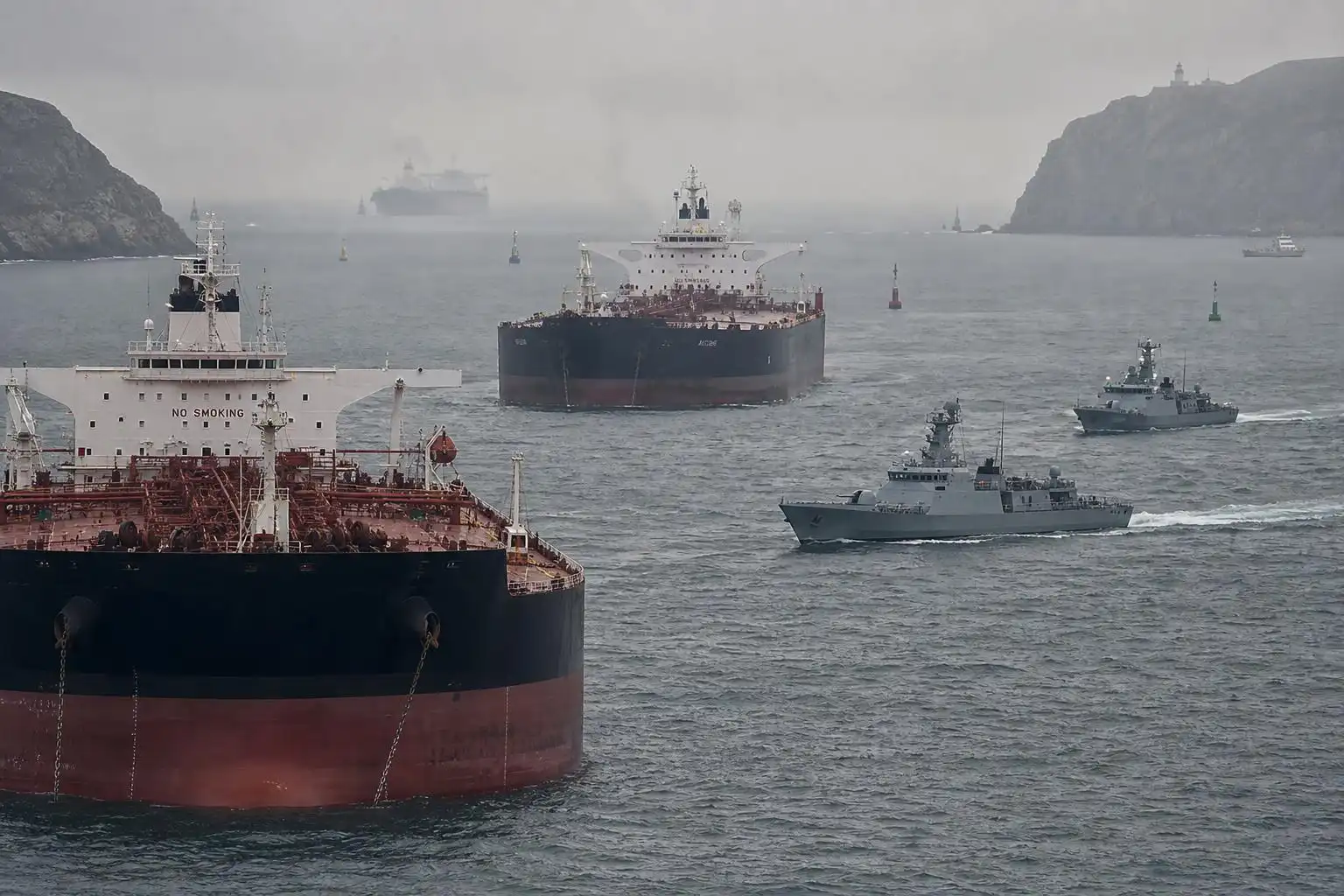

Washington is ratcheting up pressure on Iran as the Strait of Hormuz remains effectively shut, pledging fresh economic measures to deepen Tehran’s isolation and pressing ahead with new missile-interceptor production deals—moves that underscore a long game of attrition even as risks of miscalculation mount.[1]
The escalation comes alongside a shifting regional landscape. The United Arab Emirates has imposed an indefinite trade embargo on Iran after accusing Tehran of firing two ballistic missiles at its territory—an extraordinary step given the UAE’s role as a vital commercial and financial conduit for Iranian imports. Analysts say the embargo meaningfully tightens the screws on Iran’s wartime economy and could incentivize Tehran to test the blockade by force if domestic pain deepens.[3]
In Ankara, President Recep Tayyip Erdogan has framed reopening Hormuz as a priority, reflecting Turkey’s exposure to trade disruption and energy volatility. But experts caution that Washington’s attempt to unilaterally extend quasi‑multilateral sanctions pressure—traditionally requiring coordination with major powers like China and Russia—may have limited reach, even as it signals frustration with a grinding, five‑month‑old conflict.[3] Al Jazeera’s live coverage also carried U.S. claims that the naval blockade could be maintained “indefinitely,” highlighting Washington’s confidence and the risk of prolonged global spillovers.[1]
Those spillovers are increasingly visible at the pump and in inflation dashboards. European diesel prices have surged more than 70% since the war began in February, while U.S. gasoline is up around 60%—with refined fuels seeing the sharpest moves as Middle East, Russian, and East Asian refining runs are curtailed. Brent crude is logging a second straight weekly gain and its sixth in eight weeks, fanning concerns that energy‑driven inflation is becoming entrenched into the Northern Hemisphere’s colder months.[2]
That backdrop puts the week’s data and policy calendar under an unforgiving spotlight. The U.S. core PCE index—expected Wednesday—looks set to register above the Federal Reserve’s 2% target for a 65th straight month, while inflation reads from Australia, France, Spain and Tokyo will test whether price pressures are broadening again.[2] Add a bond market rattled by a selloff in long‑dated Treasuries—serious enough to trigger U.S. Treasury intervention—and it’s no wonder investors want clearer signals heading into next week’s Jackson Hole gathering, even as Chair Warsh resists offering guidance.[2]
On the defense front, the Pentagon’s newly announced deals to boost missile‑interceptor output hint at a longer horizon of elevated security demand—and costs—should the maritime standoff endure or widen.[1] Meanwhile, the diplomatic file is not standing still: France has urged Israel to arrest settlers occupying Palestinian homes, a reminder that parallel flashpoints can quickly intersect with the Iran theater and complicate coalition management.[1]
What to watch next
- Sanctions enforcement versus evasion: Can Washington’s economic squeeze work without deeper buy‑in from Beijing and Moscow—and before the political clock runs down?[3]
- Escalation risk: Analysts warn Iran could attempt to break the blockade militarily if economic strain intensifies—an outcome that would amplify energy shocks and geopolitical risk premia.[3]
- Markets’ stress test: Nvidia’s earnings on Wednesday will offer a real‑time check on the AI spending boom propping up equities—even as sticky energy costs and a hawkish inflation pulse tug in the other direction.[2]
Bottom line: The U.S. is doubling down on an economic‑pressure strategy as Hormuz remains shut, but the costs are global—and rising. Unless a credible off‑ramp emerges, the combination of tighter sanctions, stressed fuel markets and hardening defense postures points to a longer, pricier standoff ahead.[1][2][3]
References
- Breaking News, World News and Video from Al Jazeera — https://www.aljazeera.com
- Six months of war — https://www.reuters.com/business/take-five/global-markets-themes-graphic-2026-08-21
- ‘Tremendous costs’: Can Trump stop other countries from trading with Iran? — https://www.aljazeera.com/news/2026/8/20/tremendous-costs-can-trump-stop-other-countries-from-trading-with-iran


Leave a Reply