
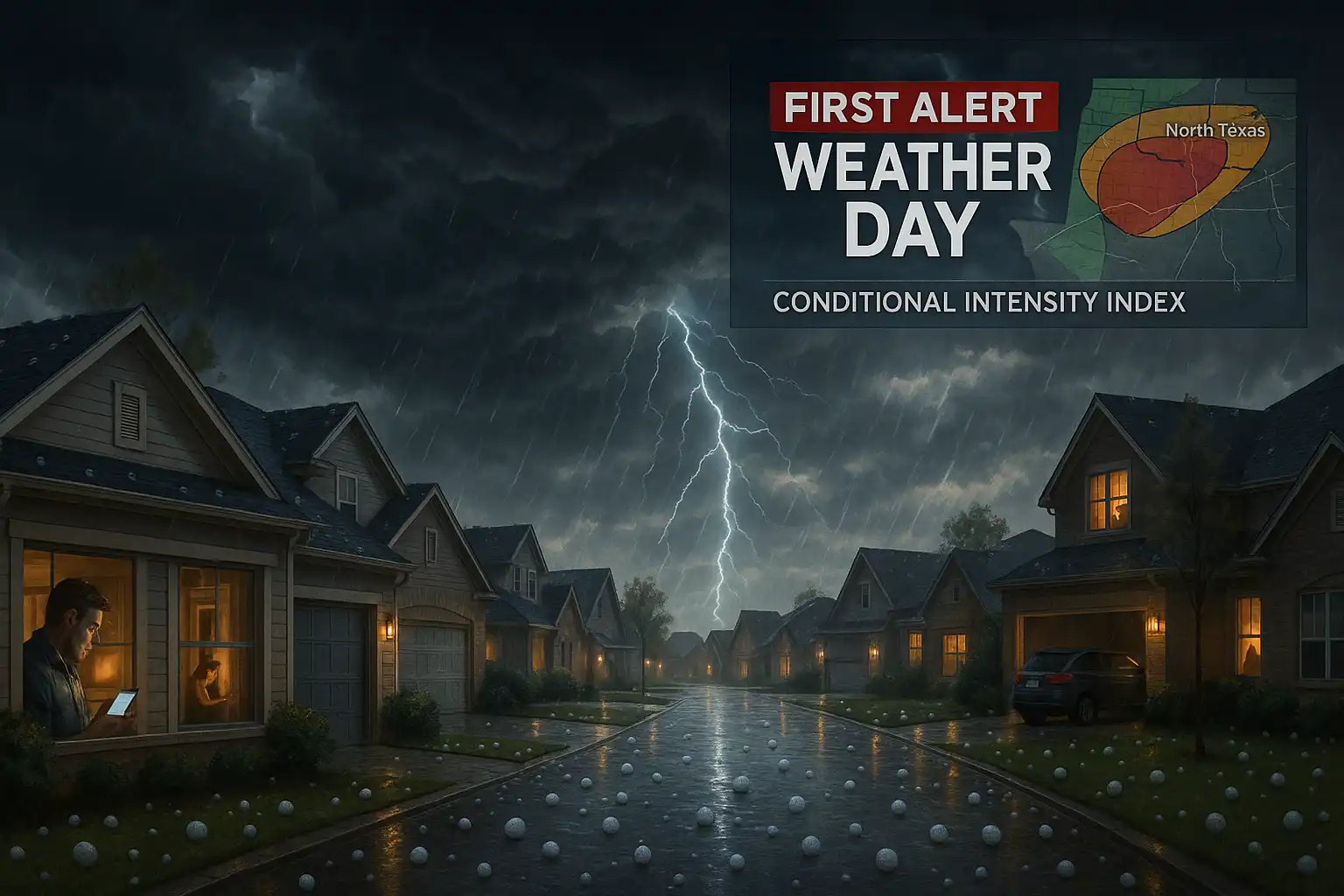

It’s early March, and North Texas is once again in the grip of severe weather season — with communities bracing for hail, damaging winds, and flash flooding. Multiple “First Alert Weather Days” have been declared midweek, as meteorologists warn of back-to-back rounds of dangerous storms[2],[4]. All of this serves as a timely backdrop for some important news from the National Weather Service: effective immediately, the Storm Prediction Center (SPC) is updating its severe weather outlook products, rolling out a “conditional intensity index” to better predict how intense a storm might become[1].
Let’s break down what these changes mean, why this week’s storms are especially dangerous, and what North Texans — and Americans everywhere — can do to stay safe.

A New Approach to Severe Storm Outlooks
The Storm Prediction Center’s “conditional intensity index” aims to bridge a crucial communication gap: not just forecasting whether severe storms are possible, but how severe they could get if certain atmospheric triggers align. It gives forecasters (and the public) a clearer, more nuanced view of potential threats before they unfold. That’s a welcome improvement — especially in tornado- and hail-prone regions like Texas, where springtime weather can escalate rapidly[1].
Traditionally, weather outlooks assessed risk over large areas, but the new index lets the public know how intense storms might be if they develop, not just if they’re possible. This kind of clarity is vital: knowing the difference between nickel- and baseball-sized hail or the potential for an isolated tornado versus a tornado outbreak changes how communities prepare.
What’s Happening in North Texas Right Now
The forecast for North Texas midweek is sobering: a potent storm system is colliding with abundant moisture and early spring warmth, raising the risk for large hail, damaging wind gusts, and flooding rains. Forecasts highlight the potential for isolated tornadoes, too[2],[4],[5].
Why is this happening now? Spring in Texas is notorious for steep temperature contrasts and surges of Gulf moisture. When warm, humid air at the surface runs into cooler, dry air aloft, conditions are ripe for strong updrafts — fueling thunderstorms that can unleash hail, flash flooding, and tornadoes.
The Human and Economic Toll
Beyond the immediate hazards, this week’s severe weather underscores deeper societal challenges. Storms disrupt daily life, damage property, and pose real threats to residents’ safety and livelihoods. Sports events, school days, and even political campaigns have been impacted. As extreme weather becomes more frequent and severe, entire communities must confront repeated repair costs, insurance claims, and the emotional toll of preparing for — and recovering from — dangerous storms[3].
The sports industry, for example, has seen games canceled or delayed, impacting not just athletes but also local economies that depend on stadiums, hotels, and hospitality venues. Heat waves, hurricanes, wildfires, and floods have all begun to erode the reliability of schedules and revenues[3].
Staying Safe: Tips for North Texans (and Beyond)
Here’s how you can prepare for and respond to this week’s severe weather:
- Stay Weather-Aware: Sign up for alerts from the National Weather Service and local media. Pay extra attention on “First Alert Weather Days.”
- Prepare Ahead: Identify your safe place at home or work — a windowless interior room on the lowest floor is best for tornadoes.
- Protect Your Property: Park vehicles in garages if possible to prevent hail damage, and secure outdoor objects.
- Turn Around, Don’t Drown: Never drive through flooded roads — water can be deeper and more dangerous than it appears.
- Check on Neighbors: Especially those who are elderly or have mobility challenges.
Looking Ahead: Adapting to a Changing Threat
With tools like the new conditional intensity index, weather science is giving citizens more detailed, actionable information than ever before[1]. But extreme weather isn’t going away. As climate pressures mount, preparing, responding, and adapting will demand not just scientific vigilance, but also resilient, caring communities. Stay safe out there, North Texas — and let’s keep learning, together.
References
- The Weather Service is updating its severe storm outlooks. What that means for you.
- Texas voters face key Democratic showdown in newly drawn U.S. District 33
- New report raises alarm about looming threat to sports industry: ‘Disrupting competitions [and] diminishing spectator experiences’
- What impact do the Senate races have on the state of Texas?
- Will the Senate primary races end in runoffs? A look at the polling numbers on Election Day

Leave a Reply
You must be logged in to post a comment.