
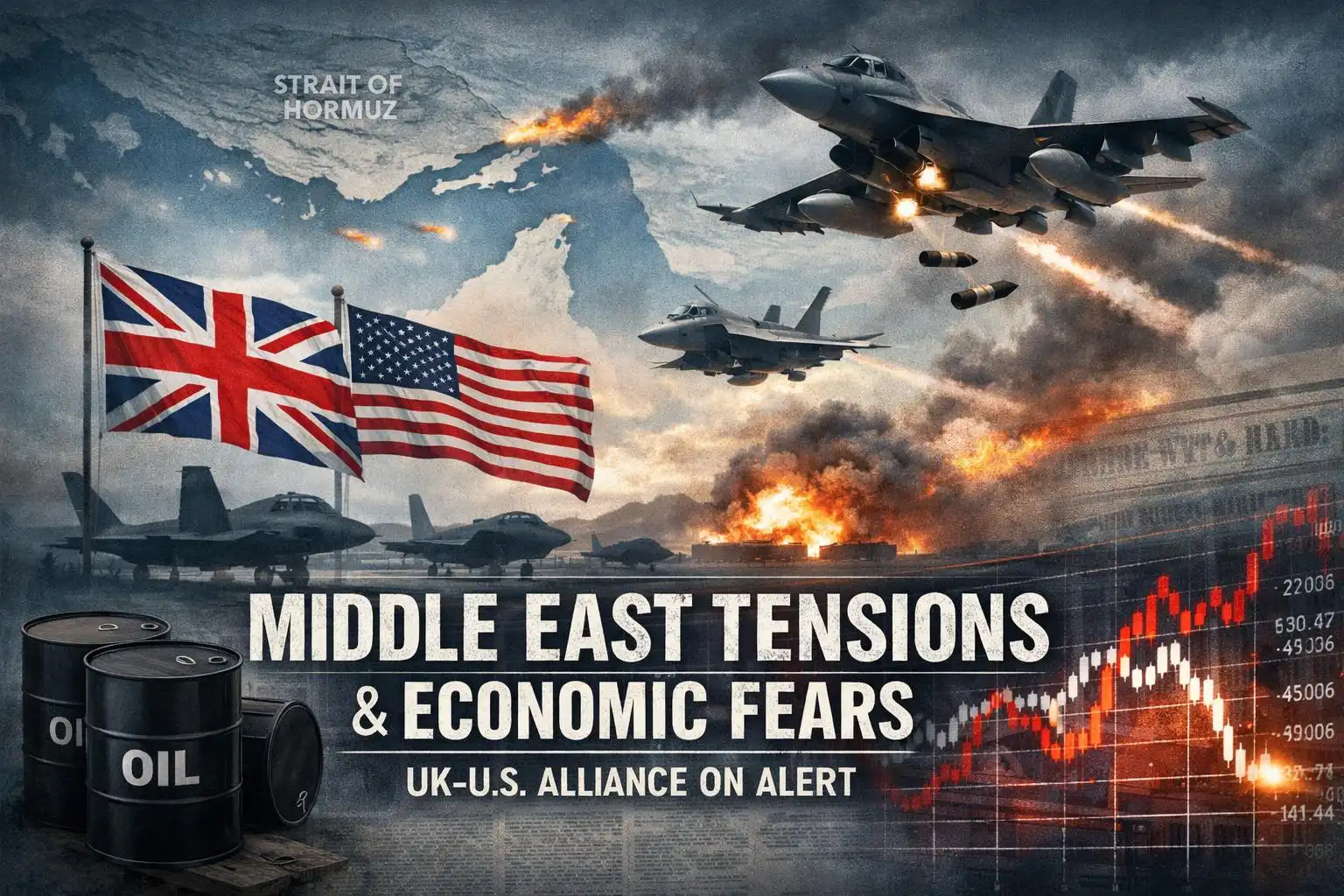

Britain edges closer to the line as Iran crisis deepens
- The Times splashes that Prime Minister Keir Starmer has given the U.S. the green light to conduct strikes from British bases to help protect the Strait of Hormuz, with an emergency Cobra session convened over the cost‑of‑living impact [1]. The Guardian leads with “Trump brands Nato ‘cowards’ over war,” underscoring a sharp transatlantic rift as fighting and threats around Hormuz unsettle allies [1].
- The Sun, cited in the BBC’s front‑page round‑up, reports the Pentagon has drawn up plans that could include seizing Iran’s Kharg Island oil terminal—details the tabloid says were confirmed by Press Secretary Karoline Leavitt—as talk of putting “boots on the ground” resurfaces [1].
Markets watch oil and war headlines
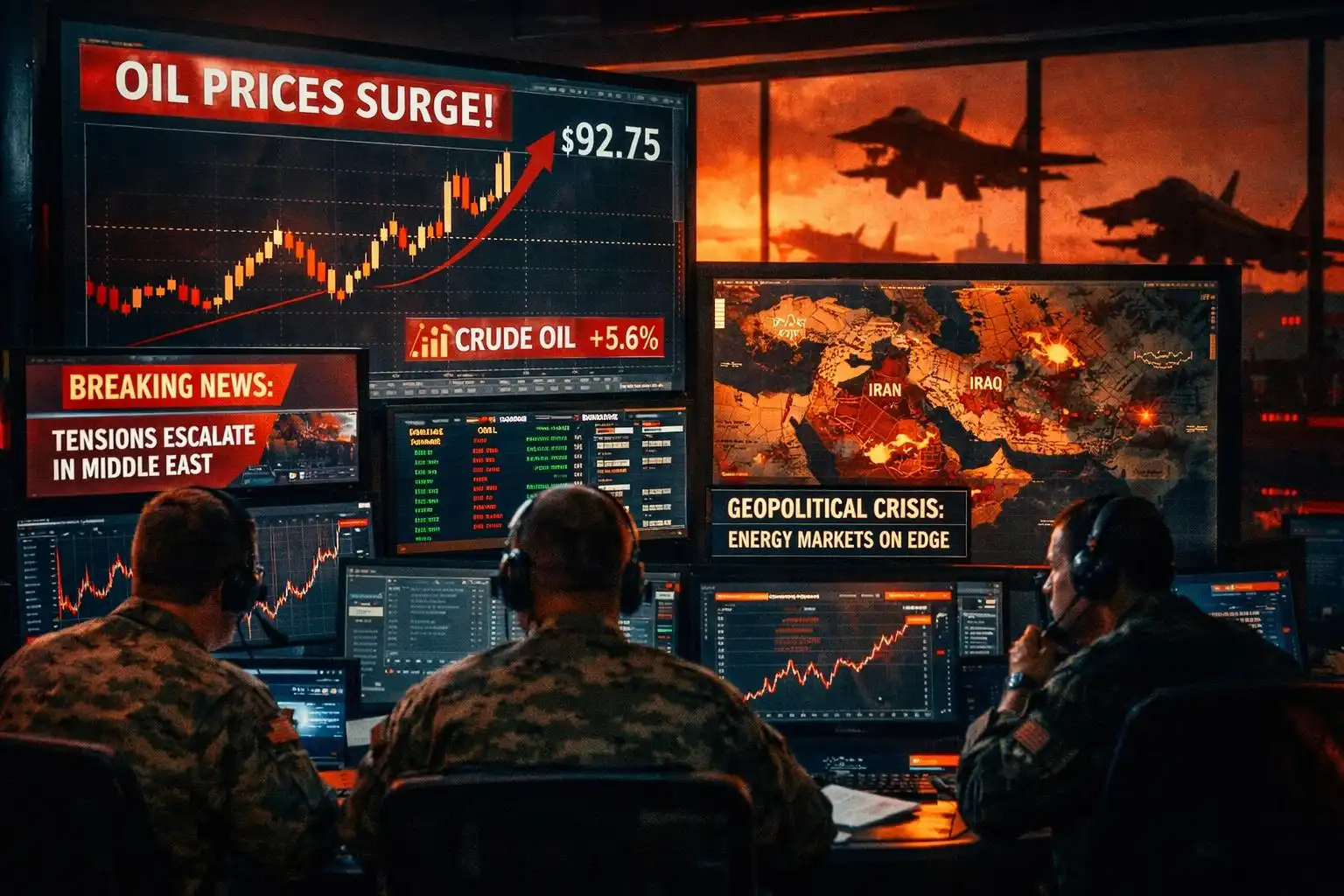
- Investors are fixated on the Middle East and energy price swings, with upcoming PMI data a fresh read on how the war is denting sentiment, the Wall Street Journal notes. “Developments in the Middle East and consequent movements in energy prices will remain firmly on investors’ radar,” the paper writes, as crude hovers near $100 and volatility runs elevated on its market dashboard [3].
- On CNBC, Fed Governor Chris Waller said “caution is warranted” on the interest‑rate outlook—language that keeps policymakers flexible as energy shocks threaten to reignite inflation [4]. Energy expert Jason Bordoff warned separately, “I’m worried we haven’t seen anything yet with energy prices,” highlighting the risk of further upside if supply routes remain imperiled [5].
UK front pages reflect a nation on edge
- Beyond the geopolitics, British papers also dwell on domestic flashpoints: the inquest into boxing great Ricky Hatton’s death, with his mother’s wrenching testimony and reports he had a brain disease; and campaigners vowing their right‑to‑die fight “will not end,” even if the House of Lords blocks the bill. The Sun, meanwhile, trains its sights on a royal property sub‑letting row [1].
What I’m watching next
- Whether U.S. operations around Hormuz expand—and how allies calibrate access to bases amid political blowback.
- Global PMIs for hard signals of war‑related demand and price pressures [3].
- Fed speak and market pricing as oil and shipping risk keep the inflation fight complicated [4] [5].
References

Leave a Reply
You must be logged in to post a comment.