Author: Darlene
-
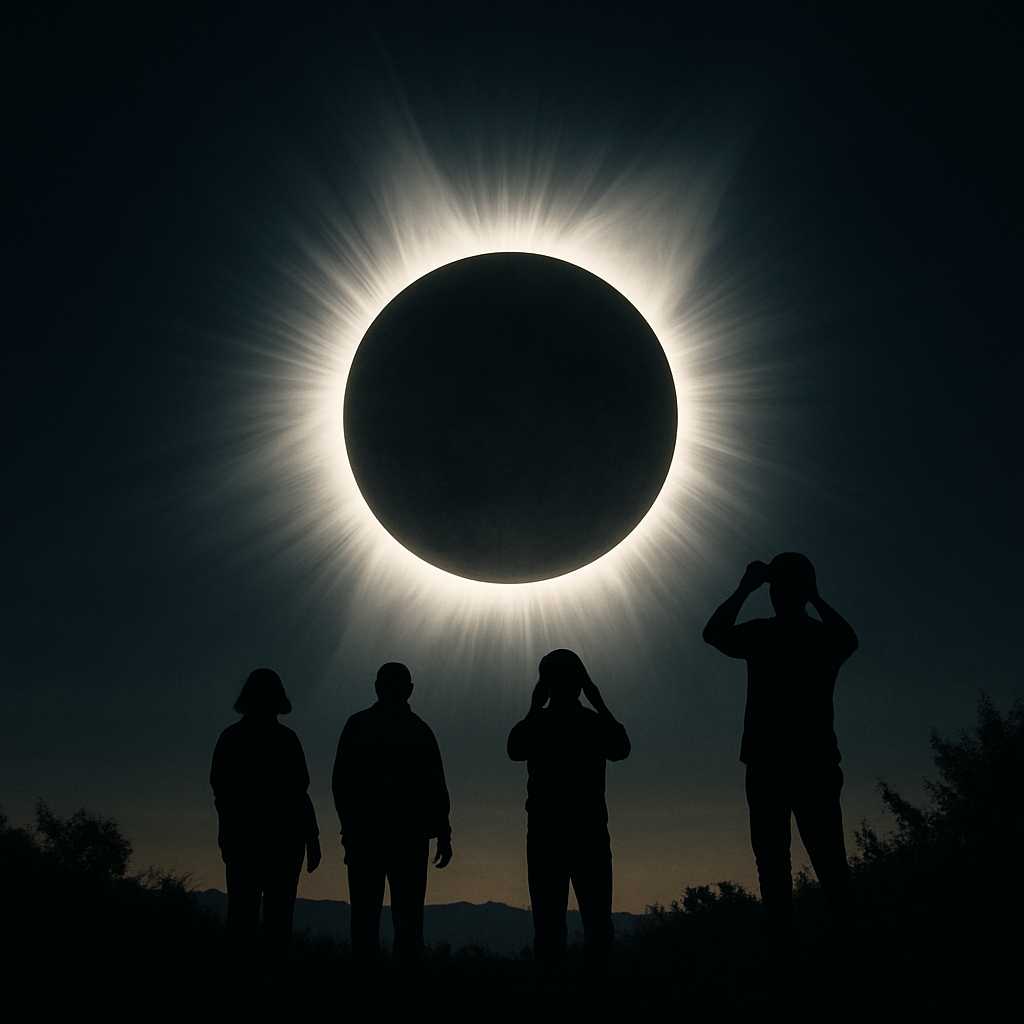
Chasing Shadows: The Science and History of Solar Eclipses
Few astronomical events capture the public imagination as intensely as a solar eclipse. When the Moon’s shadow sweeps across the face of the Earth, day turns to night, temperature drops, and the Sun’s corona—a pearly aura usually hidden by the Sun’s glare—becomes visible. But what exactly is a solar eclipse, why do they occur, and…
Written by
-
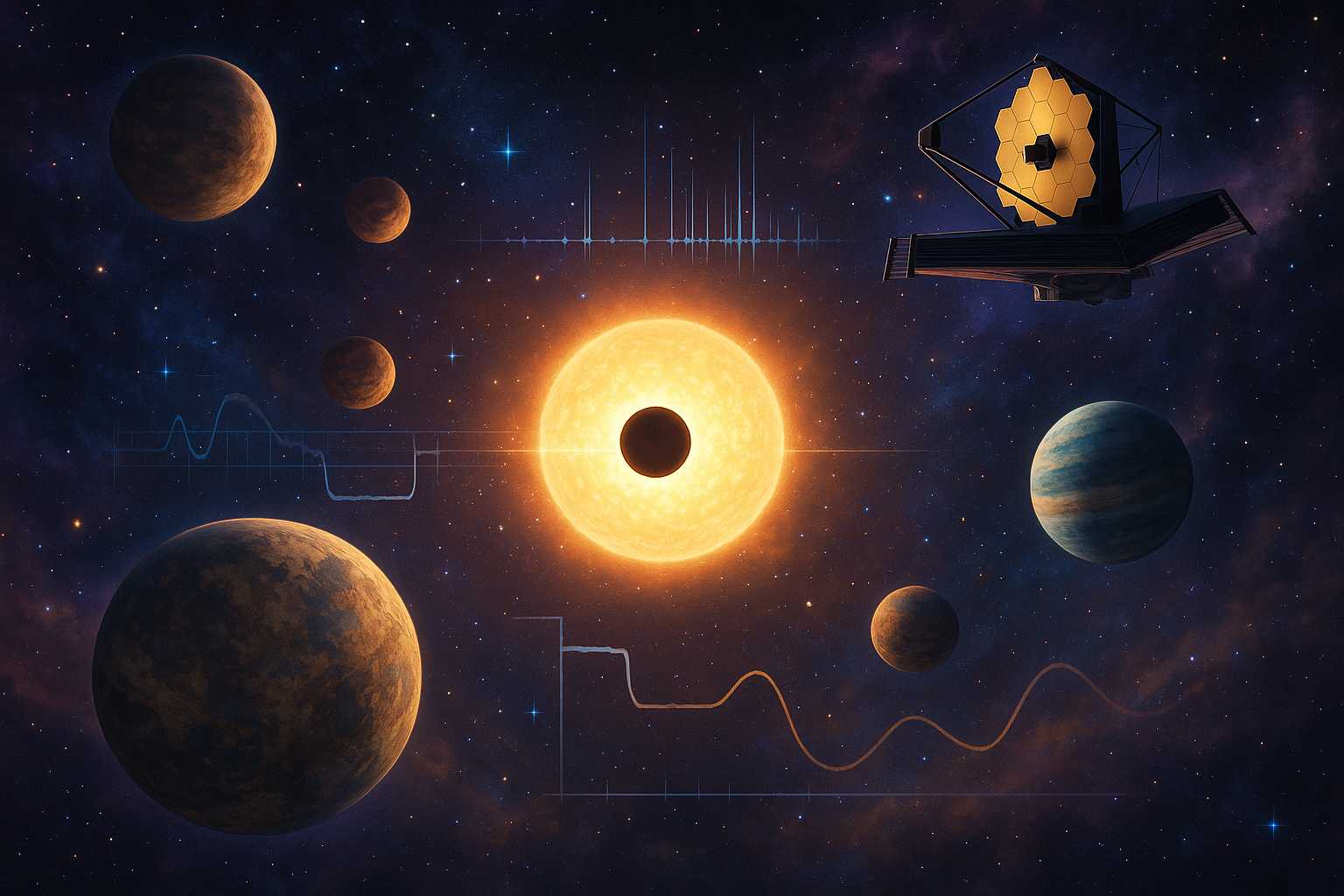
Unveiling the Mysteries of Exoplanets: How We Discover Worlds Beyond Our Solar System
As astronomers, we have long gazed at the night sky and wondered: Are we alone? In recent decades, the search for exoplanets—planets orbiting stars beyond our Sun—has transformed from science fiction into a thriving scientific field. Let’s explore how astronomers detect these distant worlds and what we’ve learned so far about the potential for other…
Written by
-
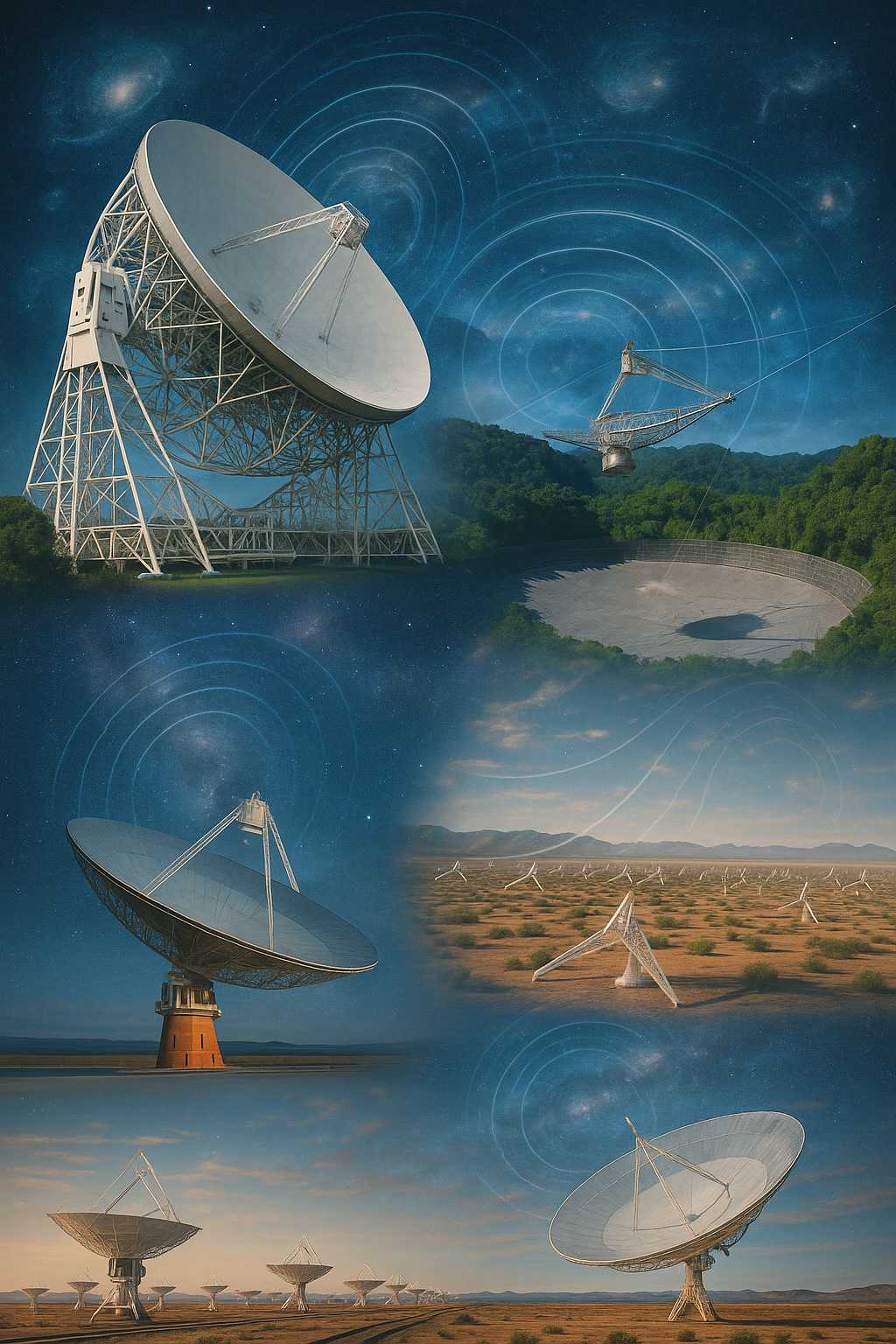
A Tour Through the World’s Most Iconic Radio Observatories
Throughout the evolution of astronomy, radio observatories have played a crucial role in expanding our understanding of the universe. Unlike optical telescopes, which observe visible light, radio telescopes capture radio waves emitted by celestial objects, unveiling phenomena invisible to the naked eye or traditional instruments. This article provides a factual tour through some of the…
Written by
-
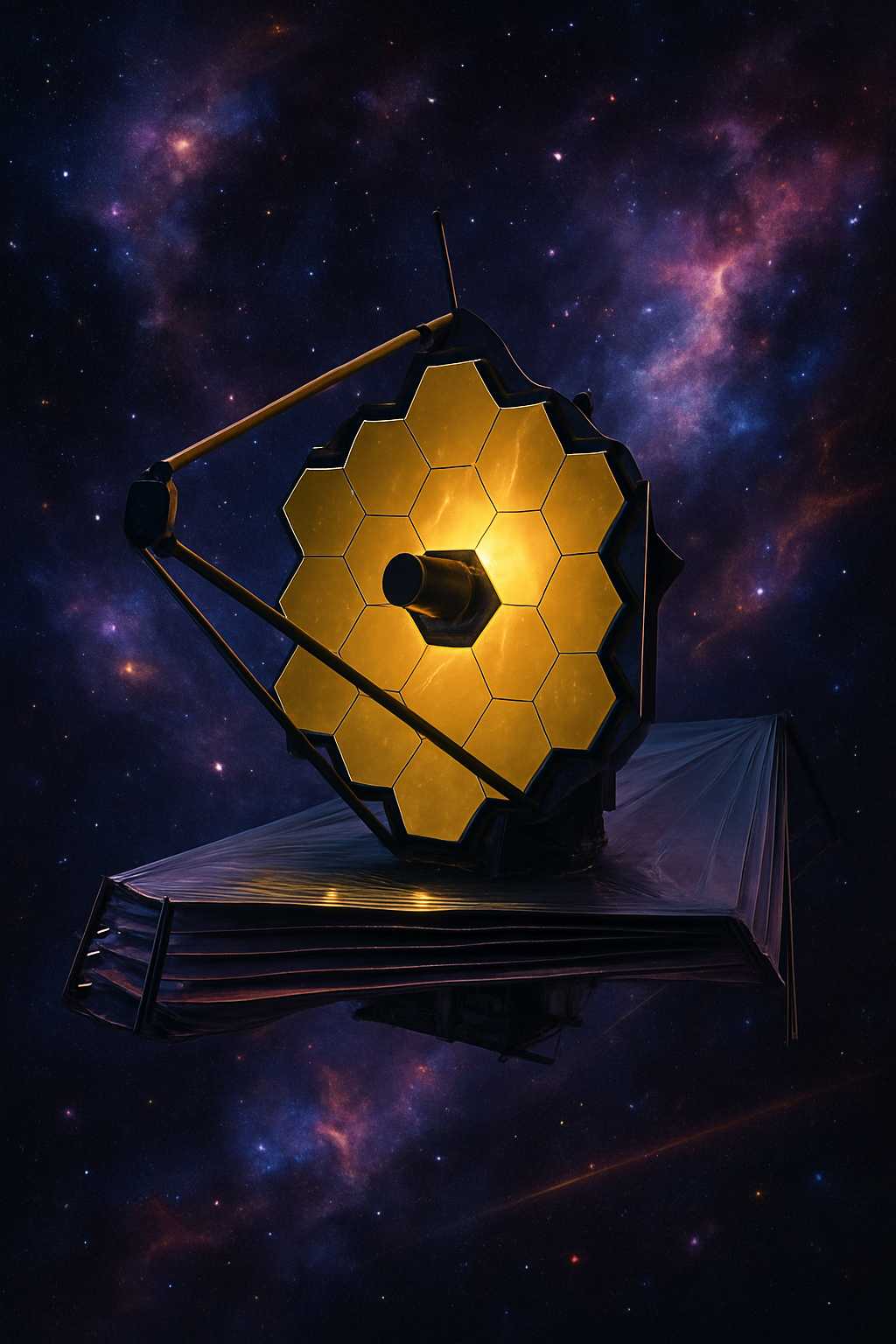
The James Webb Space Telescope: Ushering in a New Era of Astronomy
When discussing the evolution of astronomical observation, the James Webb Space Telescope (JWST) represents a monumental leap forward. Launched on December 25, 2021, JWST is the most advanced space observatory ever constructed, designed to build upon and surpass the discoveries made by its predecessor, the Hubble Space Telescope. Unlike Hubble, which primarily observes in the…
Written by
-
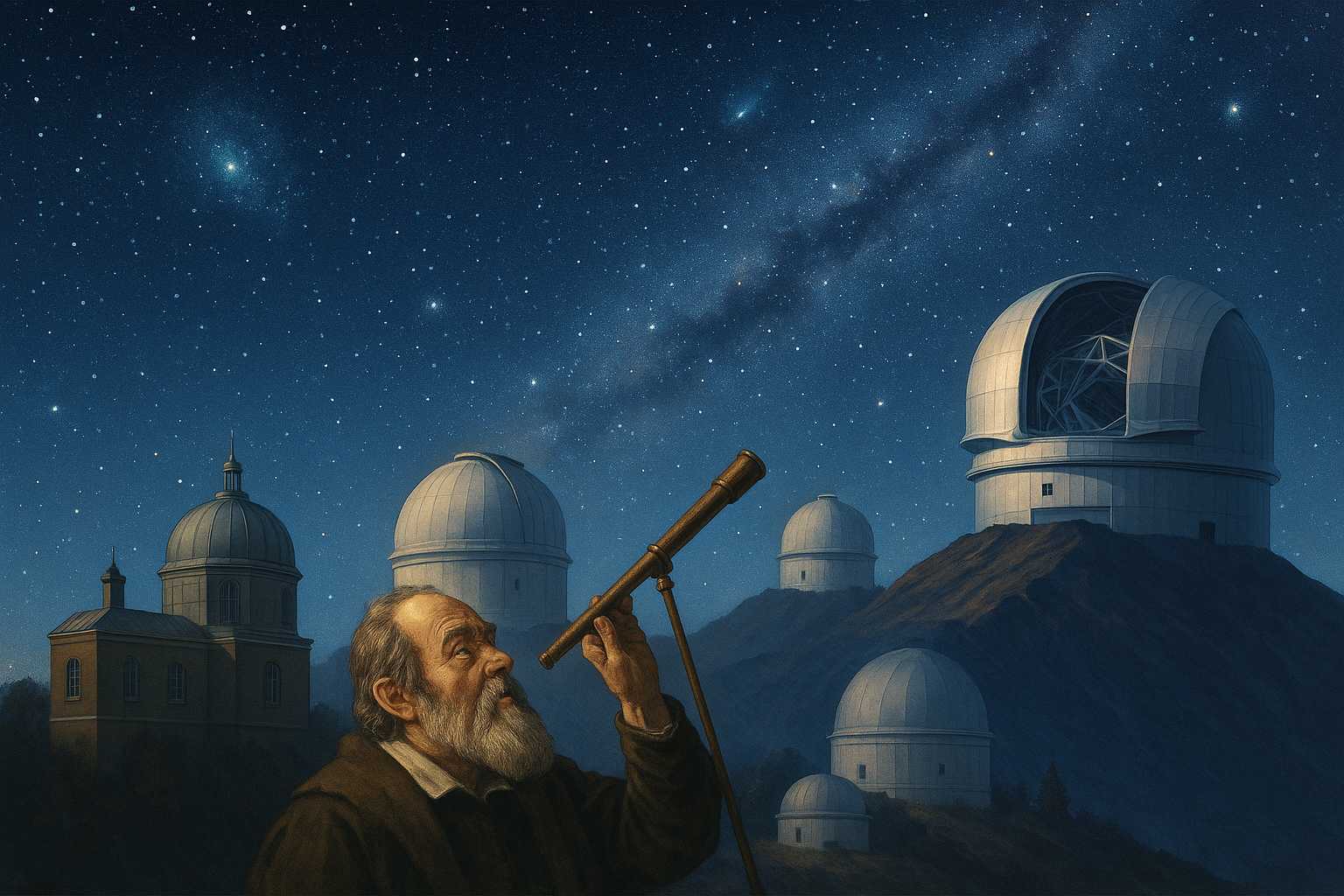
The Evolution of Ground-Based Observatories: From Galileo to the Thirty Meter Telescope
Observatories have long stood as the sentinels of astronomical discovery, translating the faintest whispers of the cosmos into revelations about our universe. Since Galileo Galilei first pointed his small refracting telescope skyward in 1609, ground-based observatories have undergone a remarkable evolution, fueled by technological innovation and scientific curiosity. The earliest observatories, such as the Royal…
Written by
-
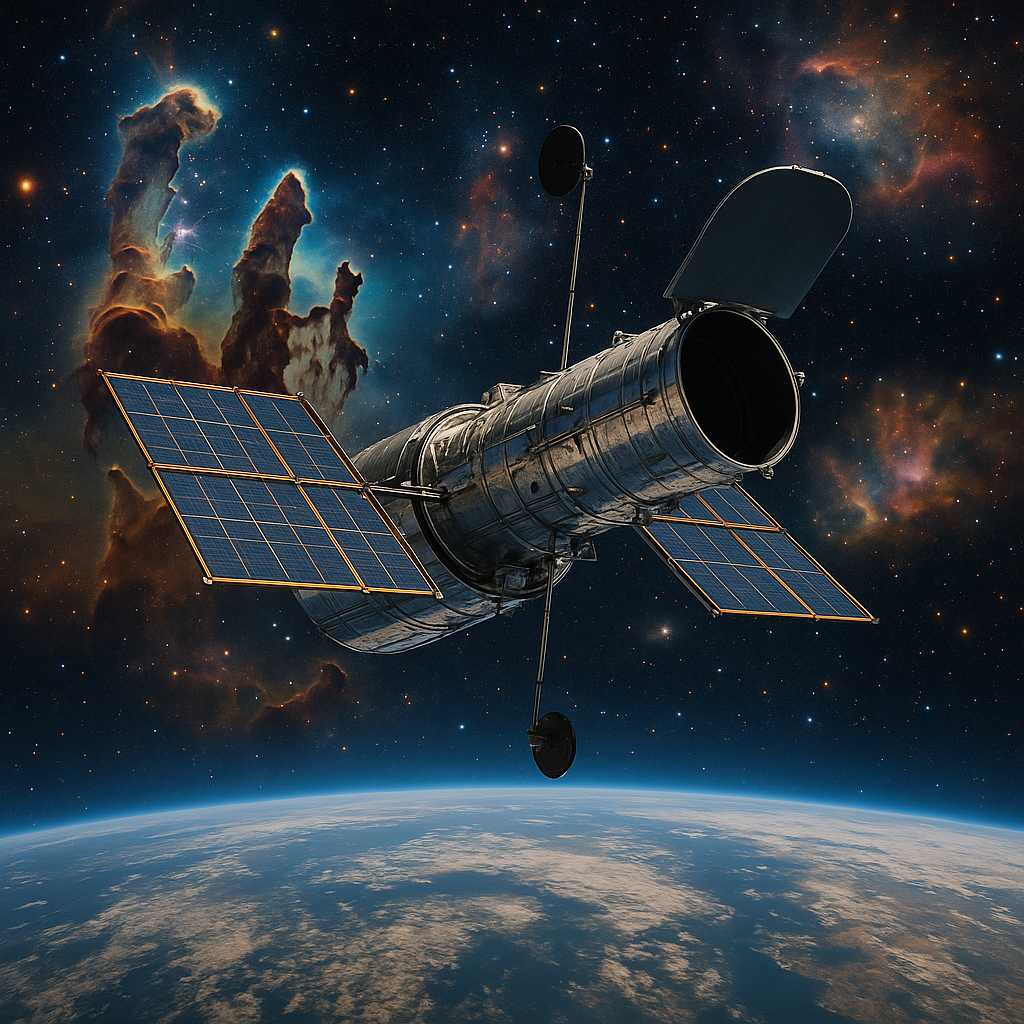
Exploring the Legacy of the Hubble Space Telescope
Since its launch in 1990, the Hubble Space Telescope has dramatically transformed our understanding of the universe. Orbiting above the distortion of Earth’s atmosphere, Hubble has captured breathtaking images and delivered crucial scientific data, leading to monumental discoveries in astronomy. A Window into the Universe Hubble was named after American astronomer Edwin Hubble, who demonstrated…
Written by