Tag: Technology/Science
-
Hawk’s Sunday Brief: Kazakhstan’s rare earths jolt tech calculus; American cancels Mexico flights; HBCU Legacy Bowl shines; Hughes brothers back Matthews
A potential new pillar of the clean-tech supply chain just emerged in Central Asia. Kazakhstan says geologists have identified a massive rare earth deposit in the Karagandy region containing neodymium, cerium, lanthanum, and yttrium—elements essential to EV motors, wind turbines, and smartphones. If verified and commercially viable, the find could elevate Kazakhstan from a transit…
Written by

-
Hawk’s Friday Brief: TikTok deal takes shape; Minnesota protest arrests; GDP stays strong; Marketplace slaying shocks Missouri
A busy Friday on several fronts: Washington and Beijing edge forward on a TikTok agreement as Minnesota protest flashpoints persist, revised U.S. growth data look sturdy, and a deadly Facebook Marketplace meetup rattles Missouri. TikTok and the protest beat in Minnesota The New York Times’ daily headlines podcast spotlights three takeaways from the emerging U.S.–China…
Written by

-
Hawk’s Saturday Brief: Iran’s crackdown deepens; Minneapolis protest ruling; ACA sign-ups slip; NASA gets funded; Seoul jails ex-president; Congress eyes Greenland
Good morning. Here are the stories topping the weekend agenda. Iran’s protest crackdown intensifies. ABC reports the death toll has risen as security forces move to crush demonstrations, while an Iranian rapper who escaped the unrest described scenes on the ground as “chaos.” [1] [2] Minneapolis protest fallout and a legal check on tactics. Two…
Written by

-
Hawk’s Midweek Brief: Student loan garnishments loom, FDA okays weight‑loss pill, French post hit by cyberattack, and Gaza’s Christians mark a wartime Christmas
A few storylines are shaping the middle of the week on both sides of the Atlantic: money pressures for U.S. borrowers, a major health approval that could reshape demand for obesity drugs, new cyber trouble in Europe, and a solemn holiday for Gaza’s tiny Christian community. Student loan garnishments could start next month ABC News…
Written by

-
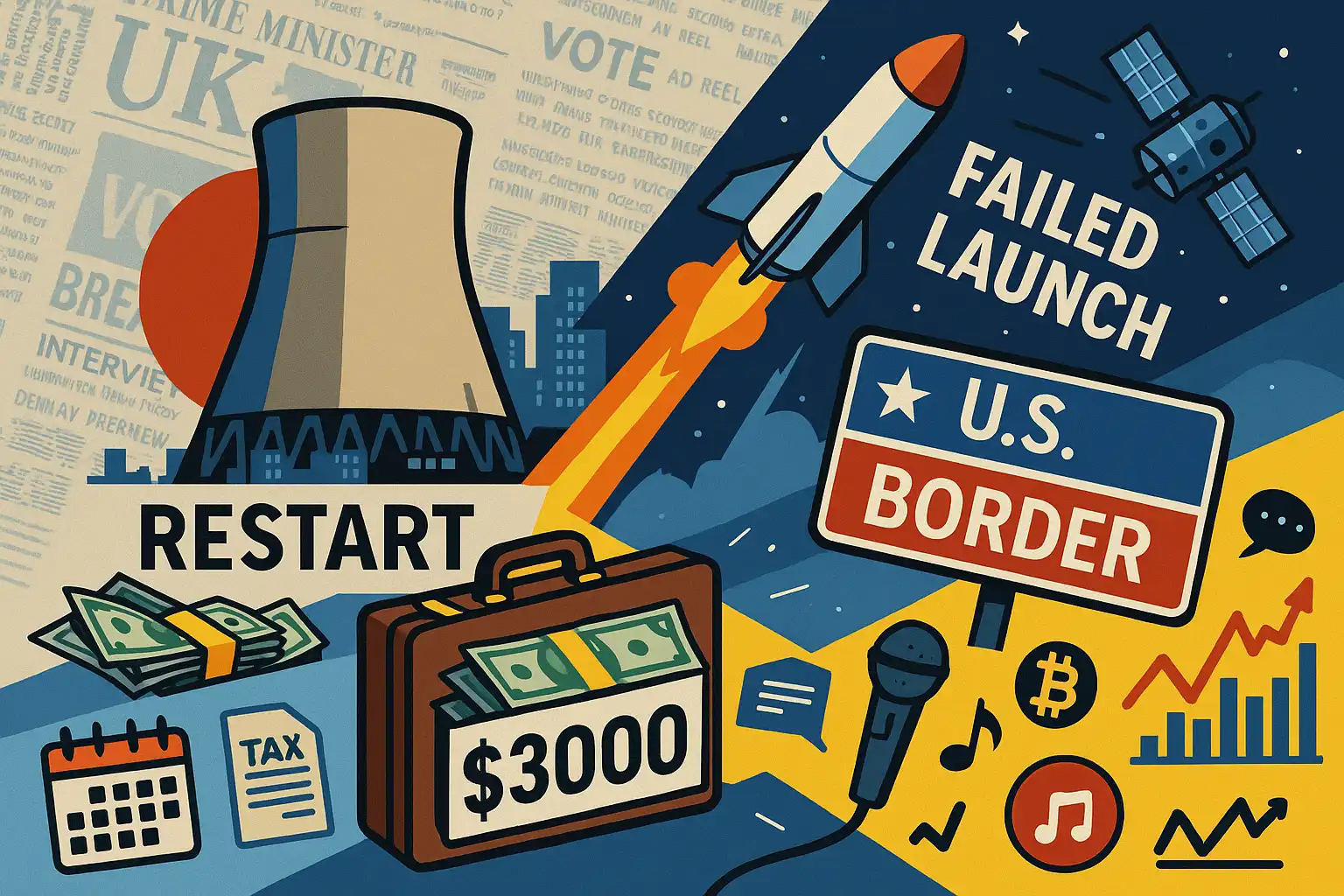
Hawk’s Monday Brief: U.S. eyes $3,000 self-deportation offer, Japan readies world’s largest nuclear plant restart, and a tough day for rockets
Here’s what’s breaking across policy, politics, and the global tech-science beat today. U.S. immigration shift: An India-based outlet reports the U.S. has tripled its “self-deportation” payout to $3,000 for undocumented immigrants, signaling a potentially notable change in enforcement incentives and costs. Details remain limited and unconfirmed by major U.S. outlets, but the report is drawing…
Written by
-
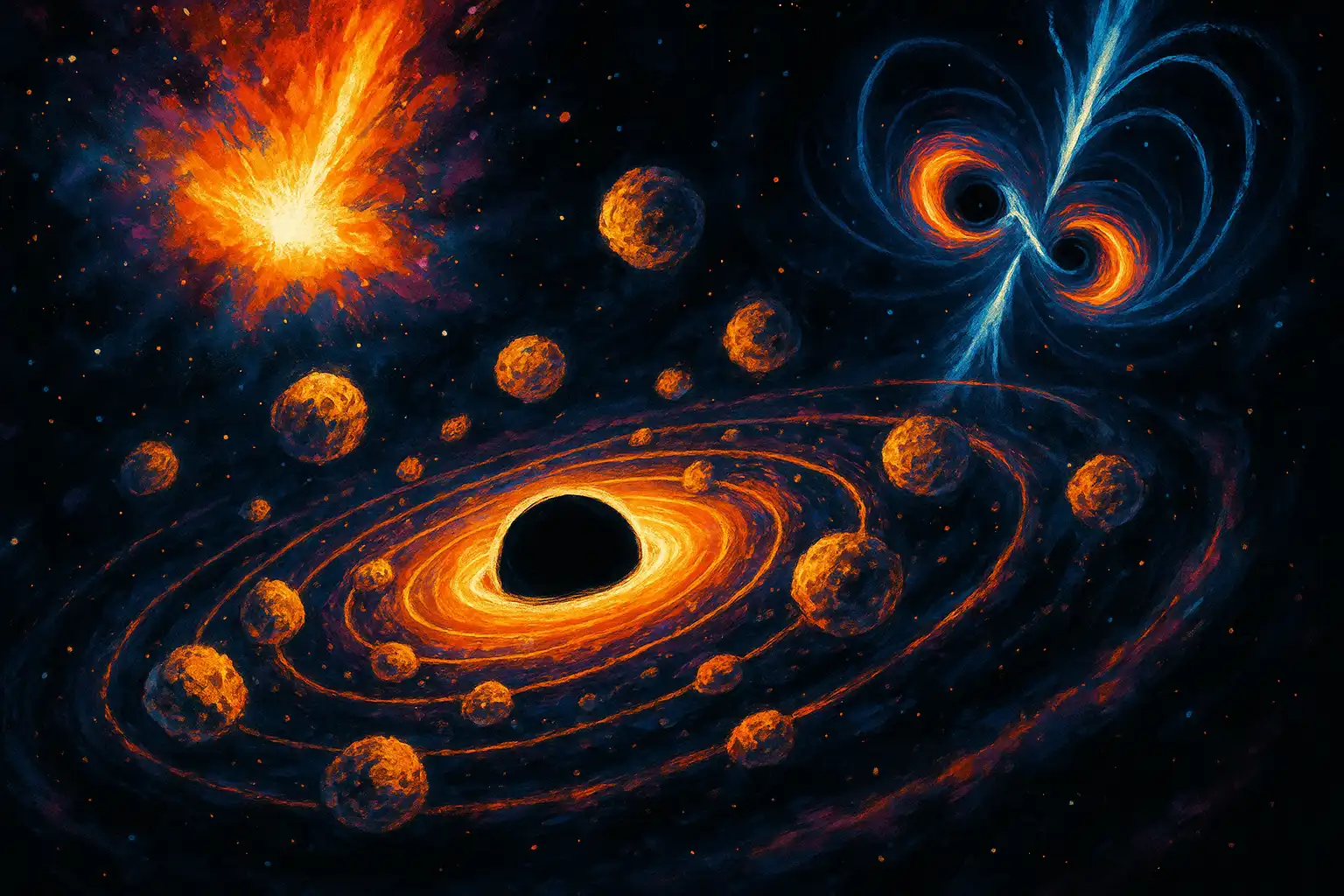
Historic Discoveries Redefine Our Understanding of Black Holes
The universe is no stranger to surprises, but recent observations around black holes have led to a cascade of revelations upending assumptions even many experts once took for granted. From the heart of our own Milky Way to the depths of distant galaxies, astronomers are witnessing phenomena that both challenge and reinforce foundational theories. Let’s…
Written by
-
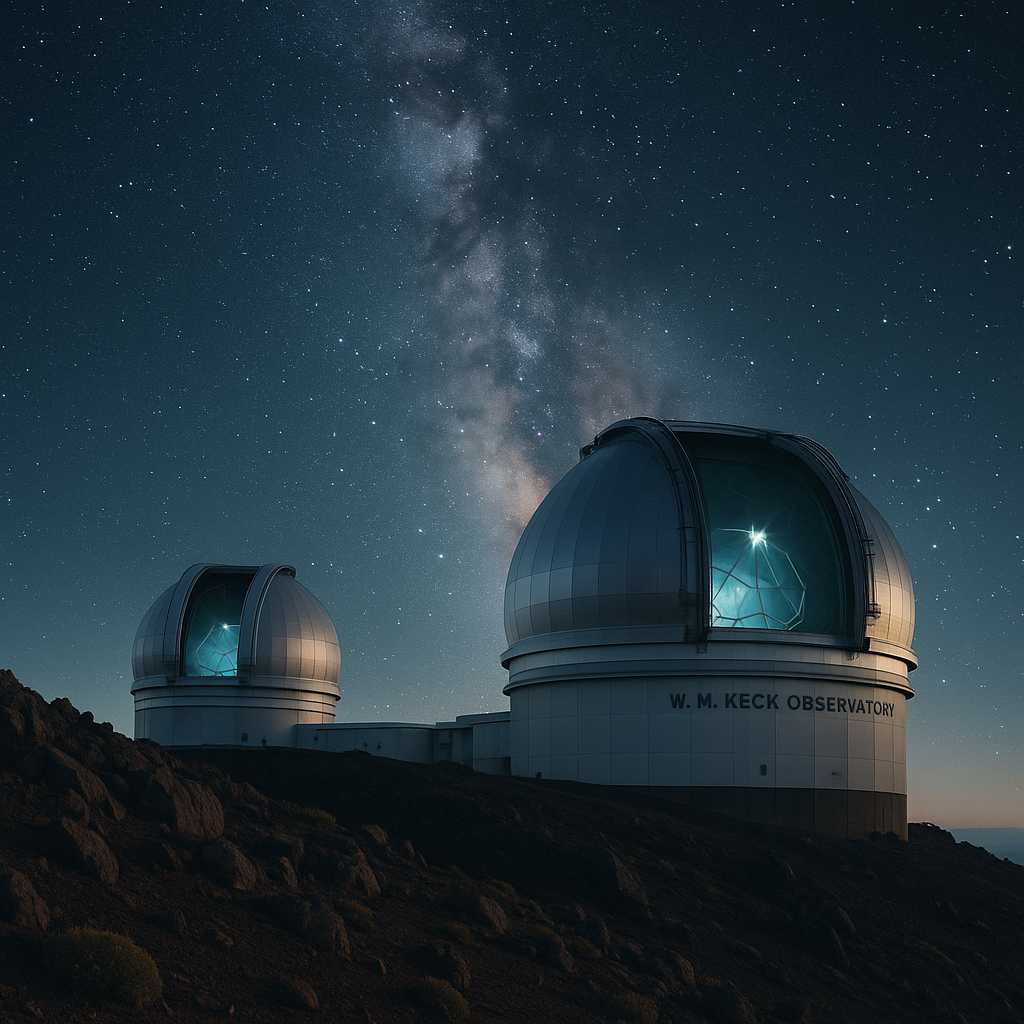
The Keck Observatory: Pushing the Boundaries of Optical Astronomy
When discussing the modern marvels of observational astronomy, the W. M. Keck Observatory on Hawaii’s Mauna Kea stands as a towering achievement. Home to two of the world’s largest optical and infrared telescopes, each with a mirror spanning an impressive 10 meters, Keck Observatory has been instrumental in driving discoveries from the farthest galaxies to…
Written by
-
Unraveling Cosmic Mysteries: How Astronomers Use Gravitational Lensing
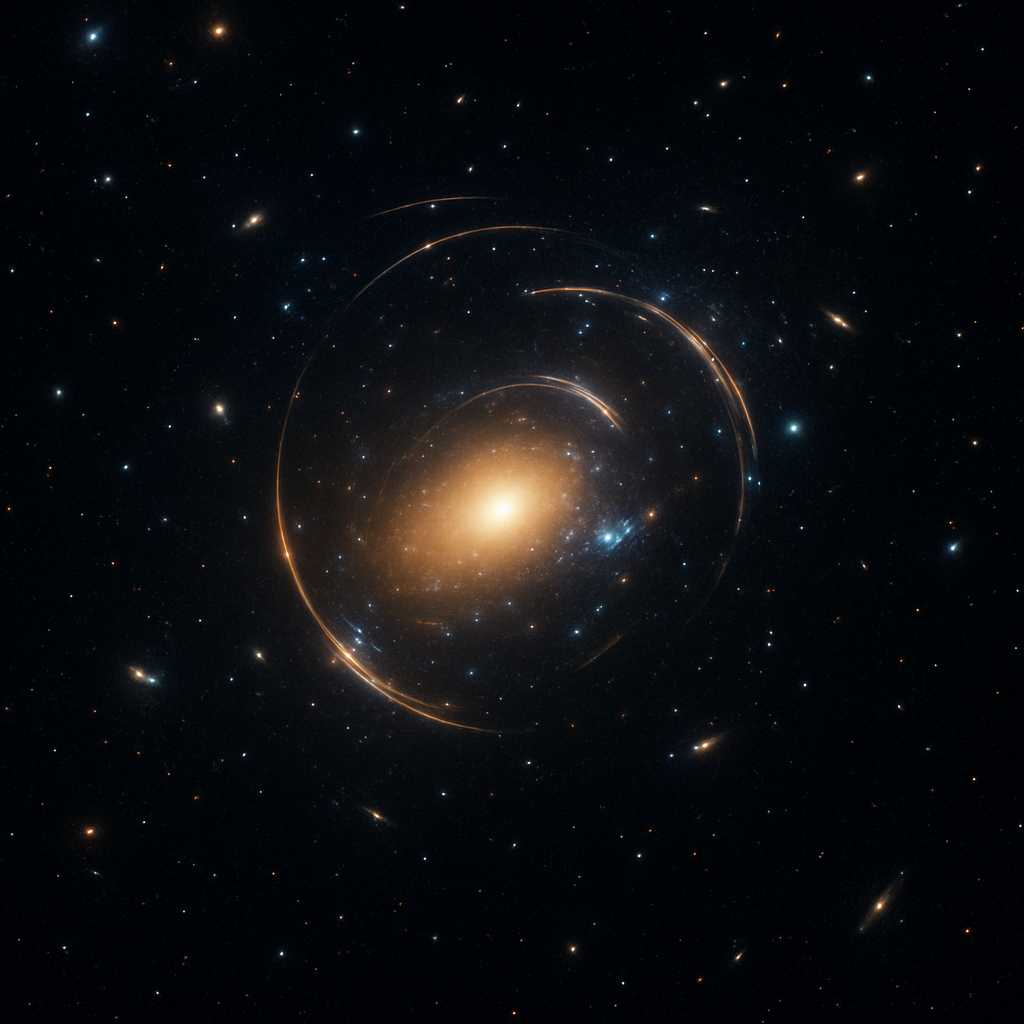
When we gaze into the universe, the light from distant galaxies and stars doesn’t always travel to us in a straight line. Sometimes, it bends and warps along its path—a phenomenon known as gravitational lensing. This remarkable effect not only confirms key predictions of Einstein’s general theory of relativity, but also provides astronomers with a…
Written by
-
The Square Kilometre Array: A Giant Leap for Radio Astronomy
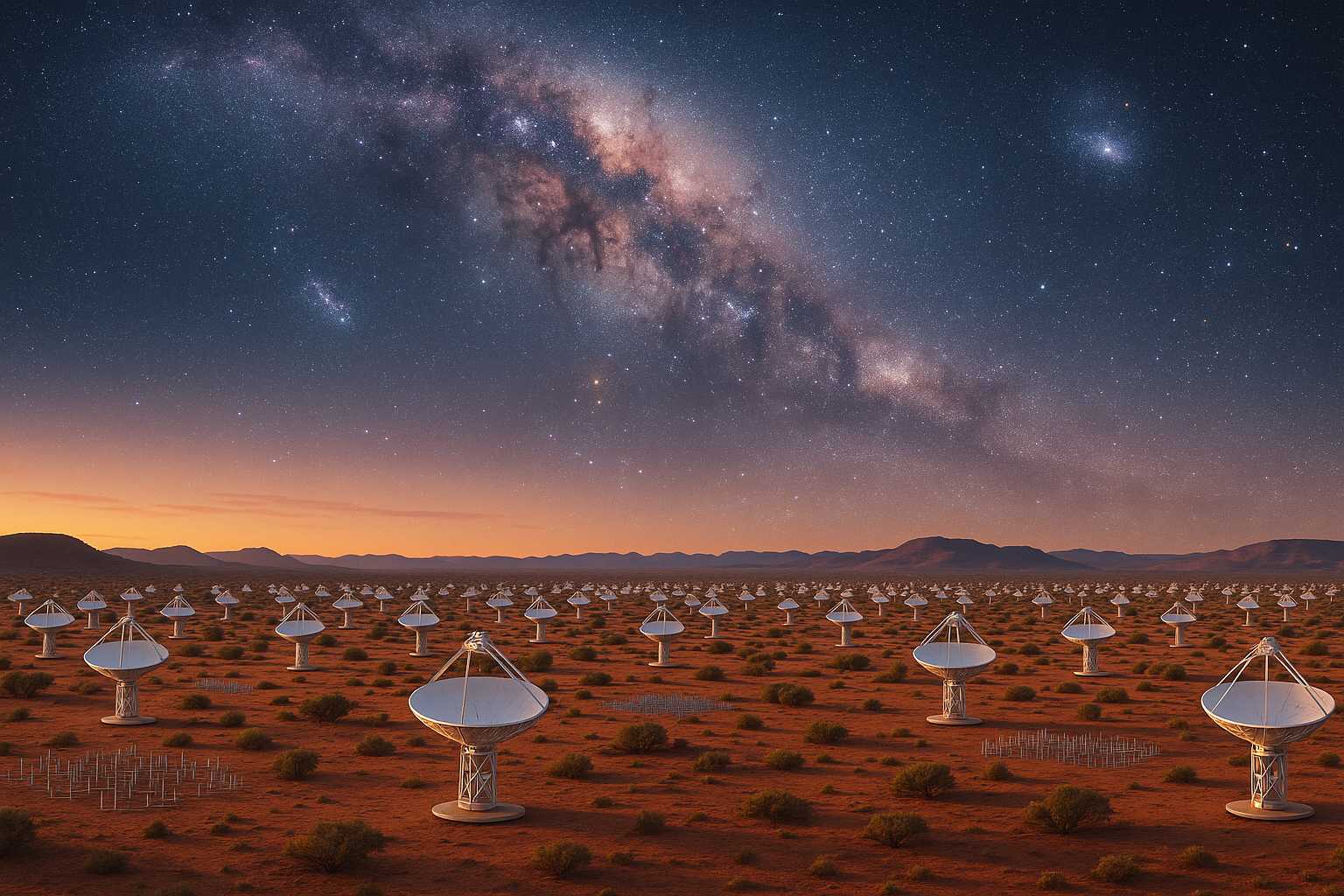
Few scientific endeavors capture the collaborative spirit and ambition of modern astronomy like the Square Kilometre Array (SKA) project. Spanning two continents—South Africa and Australia—this next-generation radio telescope promises to deliver transformative insights into the universe’s earliest epochs and the fundamental laws of physics. As an astronomer, I’d like to explore what makes SKA so…
Written by
-
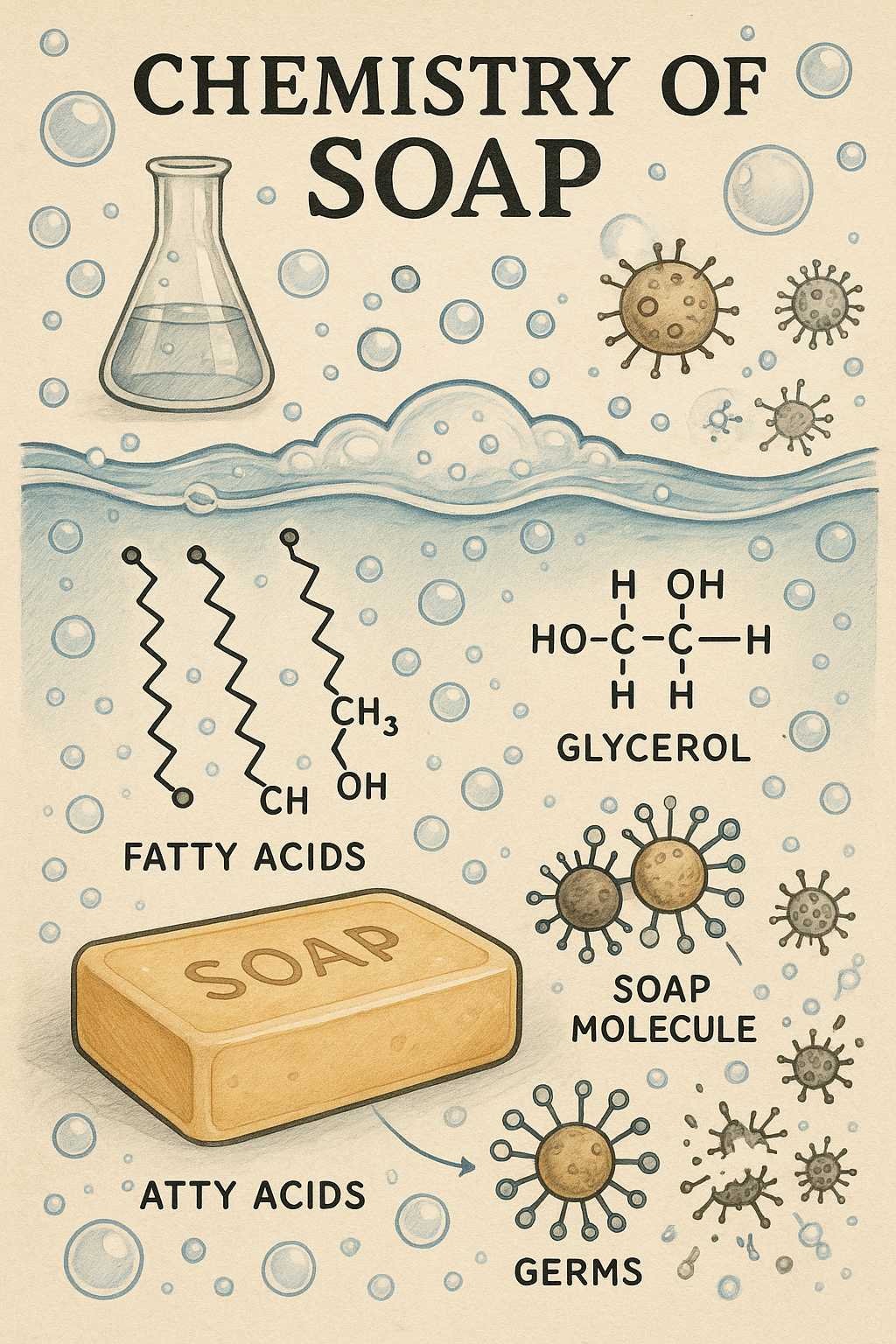
The Chemistry of Soap: How It Cleans and Protects Us
Every day, we use soap—often without considering the fascinating science behind this humble household staple. As a scientist, I find the chemistry of soap both elegant and essential, bridging the worlds of biology, chemistry, and everyday life. In this article, let’s unravel the chemical magic that turns fatty substances and alkali into a substance that…
Written by