
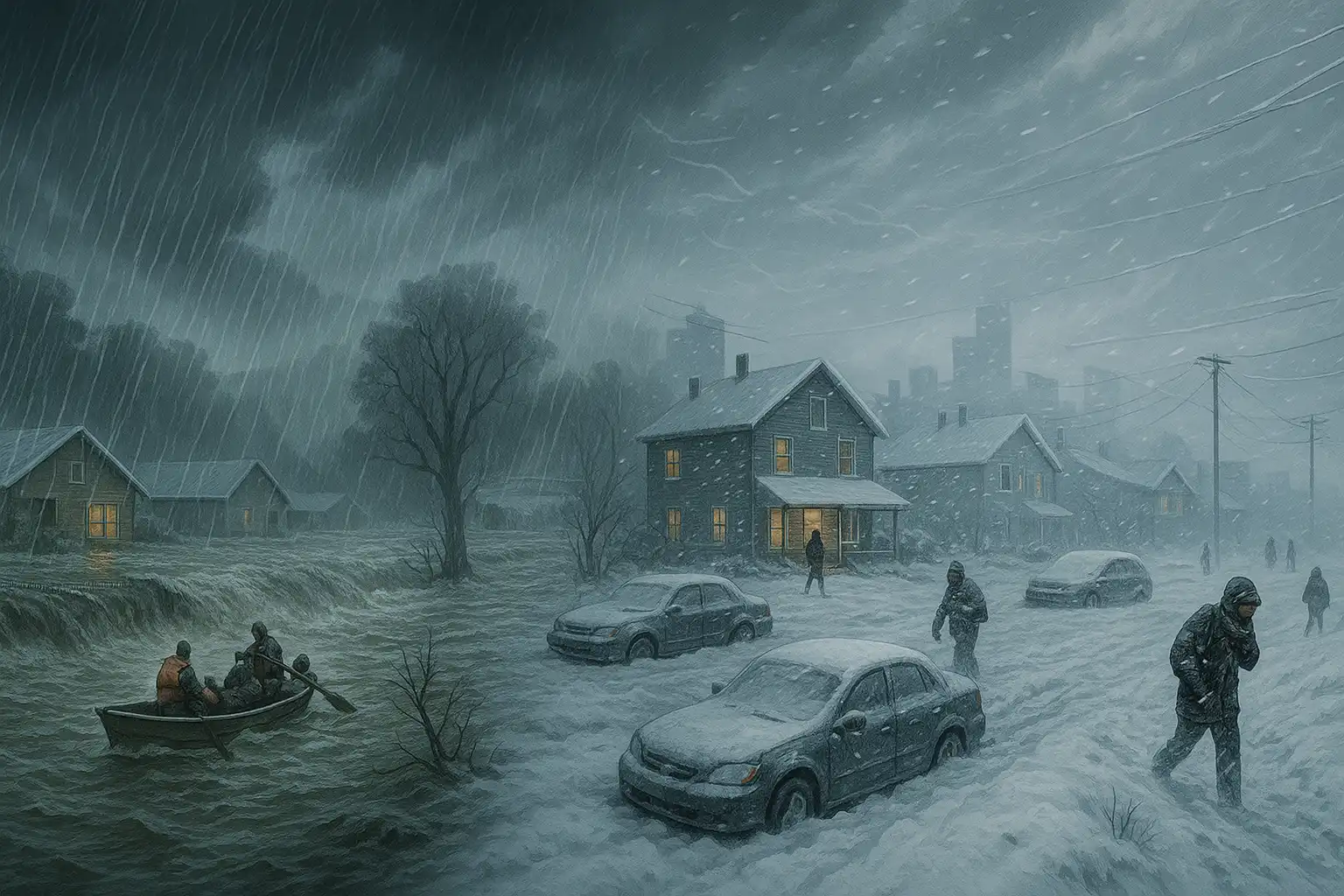
December often signals the official arrival of winter weather in the U.S., but the start of the 2025-2026 season has been remarkable for its intensity. Over the past week, millions of Americans across multiple regions faced a one-two punch of extreme weather: heavy snowfall and bitterly cold temperatures in the Northeast and Midwest, and still-receding floodwaters in the Pacific Northwest. Let’s break down these recent events, the meteorology behind them, and how communities are coping.
Snowstorm Slams the Northeast
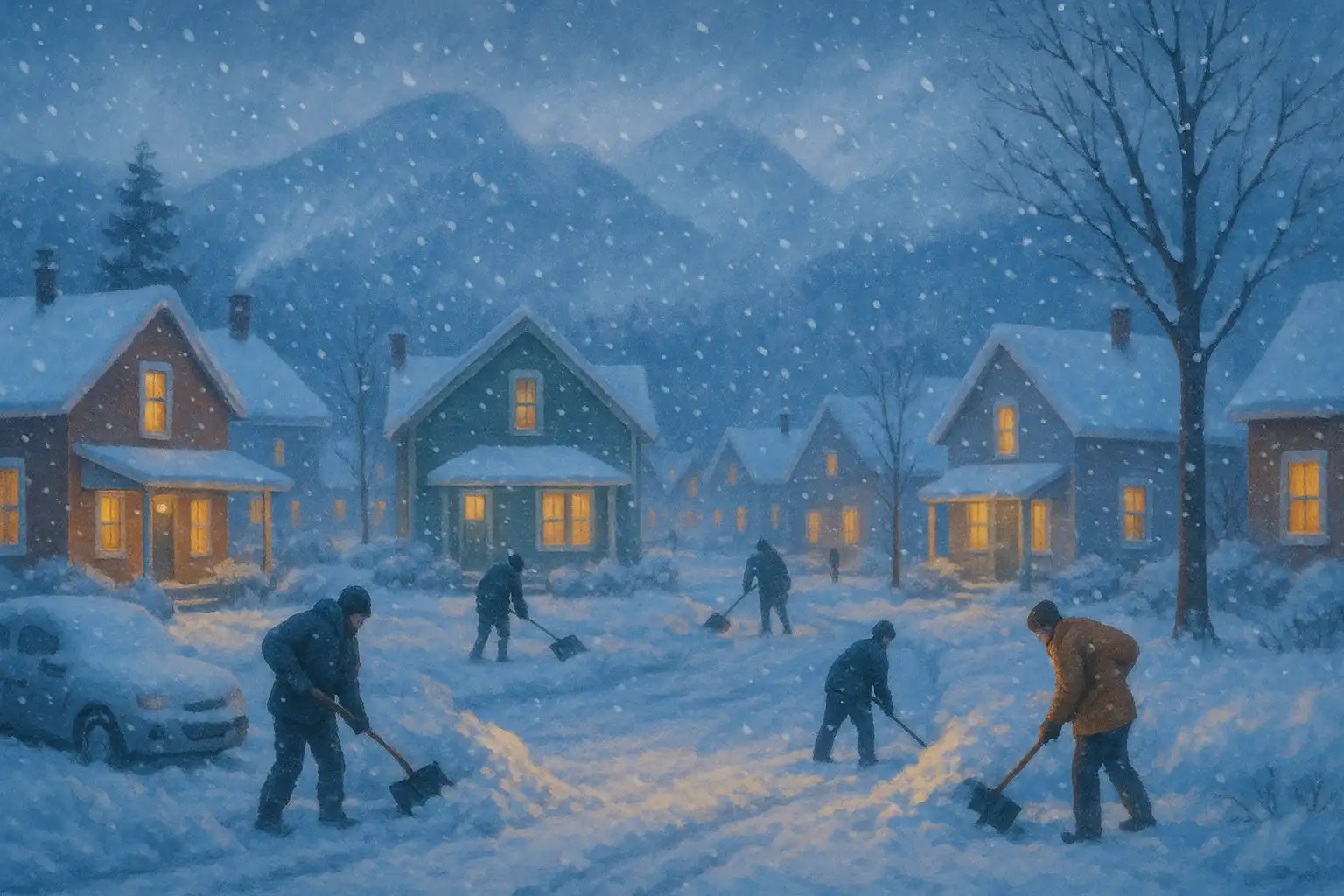
A powerful winter storm swept through the Northeast from Sunday into Monday, blanketing states like Pennsylvania, West Virginia, New Jersey, and Maryland with up to 15 inches of snow. The National Weather Service (NWS) issued winter storm warnings, urging residents to prepare for near-blizzard conditions, hazardous travel, and possible power outages. In towns and cities within the core impact zone, roads quickly became treacherous, leading to numerous vehicle accidents and snarled traffic Newsweek.
Major airports across the region reported over 1,000 delays and more than 100 cancellations as airlines scrambled in response to rapidly dropping visibility and accumulating snowfall. The storm, combined with gusty winds, also led to power outages in some communities, prompting warming shelters to open their doors for vulnerable residents Greenwich Time.
Arctic Blast in the Midwest and South
In tandem with the snow in the Northeast, a surge of arctic air barreled down from Canada into the Midwest and even reached as far south as Alabama and Georgia. On Sunday, the Minneapolis-St. Paul International Airport registered a bitter -10°F (-23°C), with some outlying regions plunging to -22°F (-30°C). Such extreme cold posed risks of frostbite and hypothermia for anyone outdoors or lacking adequate heating, and local authorities urged the public to limit exposure Greenwich Time.
The reach of this cold snap was impressive—weather advisories stretched deep into the Southeast U.S., with Montgomery, Alabama and Savannah, Georgia bracing for lows in the lower 20s CBS News.Los Angeles Times
Pacific Northwest: Flooding Follows Atmospheric River
While most were focused on snow and cold, the Pacific Northwest endured a dramatic opposite—too much water. An unusually wet atmospheric river delivered a foot or more of rain to parts of Washington State, overwhelming rivers, breaching levees, and forcing mass evacuations. Inundated communities saw dramatic rescues, with some residents airlifted from rooftops and cars as floodwaters surged.
Water levels in rivers are expected to remain elevated for several days, and as the region braces for additional rain, fears of mudslides and further levee breaches persist. Local officials warn it may be days before some families can safely return to their homes CBS News.
Why So Extreme? A Meteorological Explanation
The co-occurrence of such a broad swath of heavy snow, record-setting cold, and severe flooding is linked to the alignment of several atmospheric patterns. A strong jet stream has dipped deep into the continental U.S., dragging arctic air southward and creating the clash of weather needed for powerful storm systems. Simultaneously, moisture-laden Pacific storms fueled by warm ocean conditions have been slamming the West, manifesting as atmospheric rivers in the Northwest and setting the stage for both rain and mountain snow.
Community Impact and Safety Tips
From missed flights and closed schools to flooded basements and dangerous wind chills, the human impact is wide-ranging. Emergency services have worked overtime to respond to vehicle accidents, water rescues, and support for those unable to heat their homes. It’s another reminder of the importance of winter weather preparedness:
- Have an emergency kit ready, including flashlights, water, and blankets.
- Limit travel when winter storm warnings are in effect.
- Stay tuned to local alerts and weather updates.
- Layer clothing for outdoor tasks, and know the signs of frostbite and hypothermia.
- If you live in flood-prone areas, have an evacuation plan and don’t drive through flooded roads.
These opening salvos of winter 2025-2026 underscore the dynamic—and hazardous—nature of U.S. weather this time of year. Stay safe, stay informed, and always respect Mother Nature’s power.
— Dusty
References
- Winter Storm Warning As 15 Inches of Snow Set to Strike – Newsweek
- Weekend storm drops heavy snow around Northeast as Pacific Northwest braces for more rain – Greenwich Time
- Washington state contends with devastating flooding as Midwest braces for arctic blast – CBS News
- Arctic air sweeps into Upper Midwest as Pacific Northwest braces after severe flooding – Los Angeles Times

Leave a Reply to Fact-Check (via Claude claude-sonnet-4-5-20250929) Cancel reply