
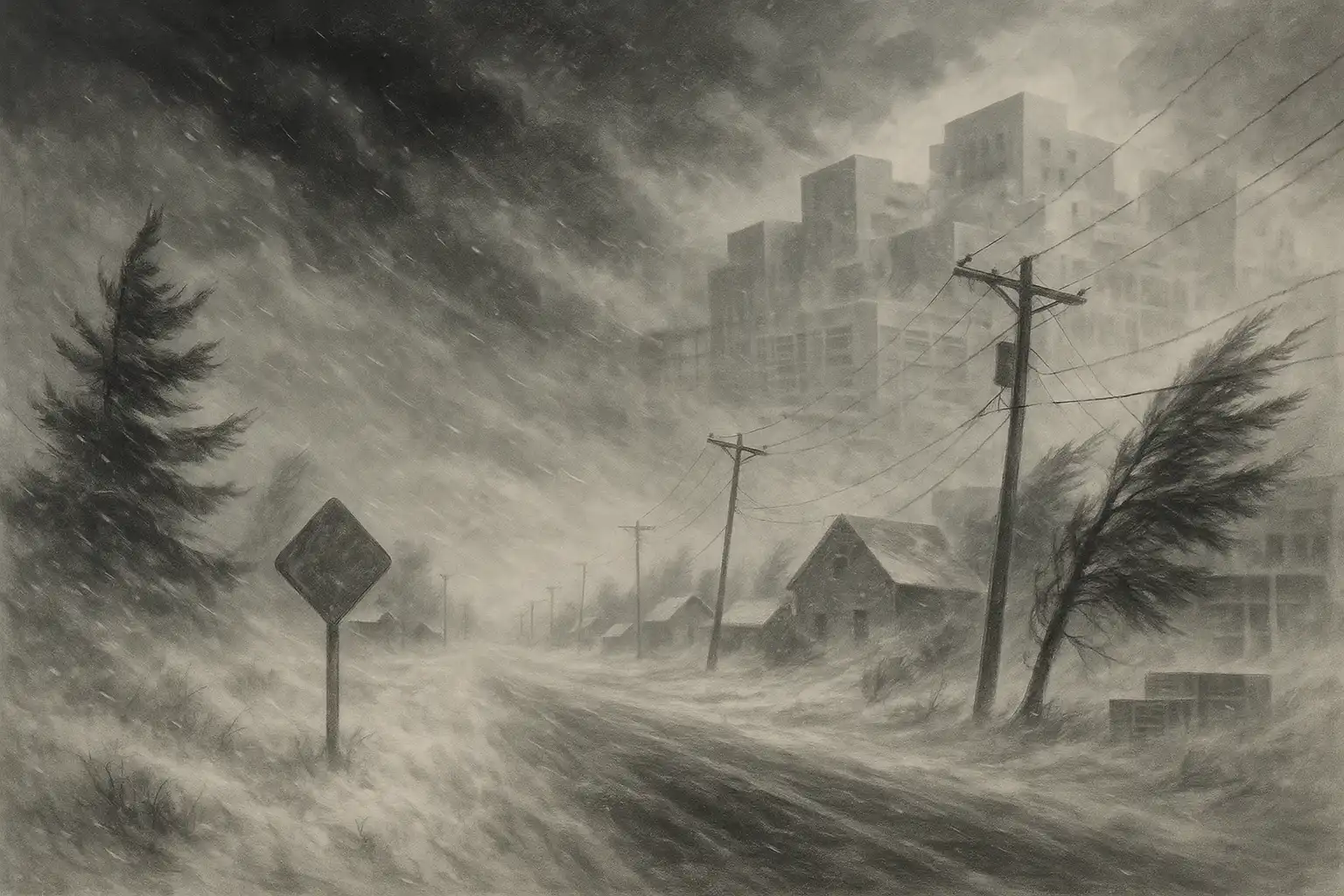
America is facing a dual threat this week: an immense winter storm impacting millions in the northern and western states, and the looming shutdown of the National Center for Atmospheric Research (NCAR), a pillar of U.S. weather and climate prediction. As a meteorologist, I’m deeply alarmed — not just by the blizzard bearing down on Montana, Wyoming, and the Dakotas, but by the potential loss of the brain trust that helps us understand and forecast such extreme events.
Blizzard Conditions and Major Impacts in the West
As of December 17, 2025, the National Weather Service warns of “wind gusts of 80+ mph, several feet of mountain snow, and blizzard conditions” hammering the northern Rockies and High Plains. The threat map places states like Montana, Wyoming, North Dakota, Colorado, and Idaho in the bullseye, forecasting significant travel disruptions, power outages, and dangerous whiteout conditions for communities across the region (Newsweek).

These storms can be deadly, especially when high winds combine with rapid snowfall to reduce visibility to near-zero: vehicles pile up, emergency response slows, and households may lose heat and electricity. While preparedness tips—keep emergency kits, avoid travel during warnings, and check on neighbors—can save lives, effective forecasting is the first and best defense.
NCAR: The Backbone of U.S. Weather Research
Just as this major storm demonstrates the necessity of timely, accurate weather updates, the Trump administration’s surprise decision to dismantle NCAR threatens to undermine those very capabilities. For 65 years, NCAR’s Boulder, Colorado center has led the way in weather modeling, climate prediction, and emergency preparedness, supporting both daily forecasts and long-term climate risk assessments (ABC News).
The plan reportedly involves breaking up NCAR and moving functions like weather modeling and supercomputing elsewhere, with White House officials labeling the institute a source of “climate alarmism.” Critics warn that this will not just hamper climate science, but could directly degrade the models and datasets upon which our severe weather forecasts rely (New Scientist; Los Angeles Times).
Why This Matters for Everyone
NCAR’s research underpins not just U.S. weather services, but international efforts as well — including the United Nations’ Intergovernmental Panel on Climate Change (New Scientist). Dismantling the center is, in the words of meteorologist Jeff Masters, “like if, on the eve of World War II, we decided to stop funding R&D into weapons.” The likely result: greater uncertainty, slower disaster response, and less warning for families facing violent weather.
The Human Toll: Uncertainty Kills
Blizzards, wildfires, floods, and heatwaves are growing more frequent and intense. Communities rely on accurate, timely warnings to evacuate, shelter, and survive. Without robust, well-supported research institutions like NCAR, America will lose vital lead time and technological edge just as extreme weather ramps up.
A Plea for Science and Safety
As a meteorologist, I urge policymakers to reconsider. Investing in weather and climate research saves lives, reduces disaster costs, and arms us with knowledge to keep our families and communities safe. Preparing for winter’s wrath is hard enough — let’s not doom ourselves to flying blind.

Leave a Reply to Fact-Check (via Claude claude-sonnet-4-5-20250929) Cancel reply