
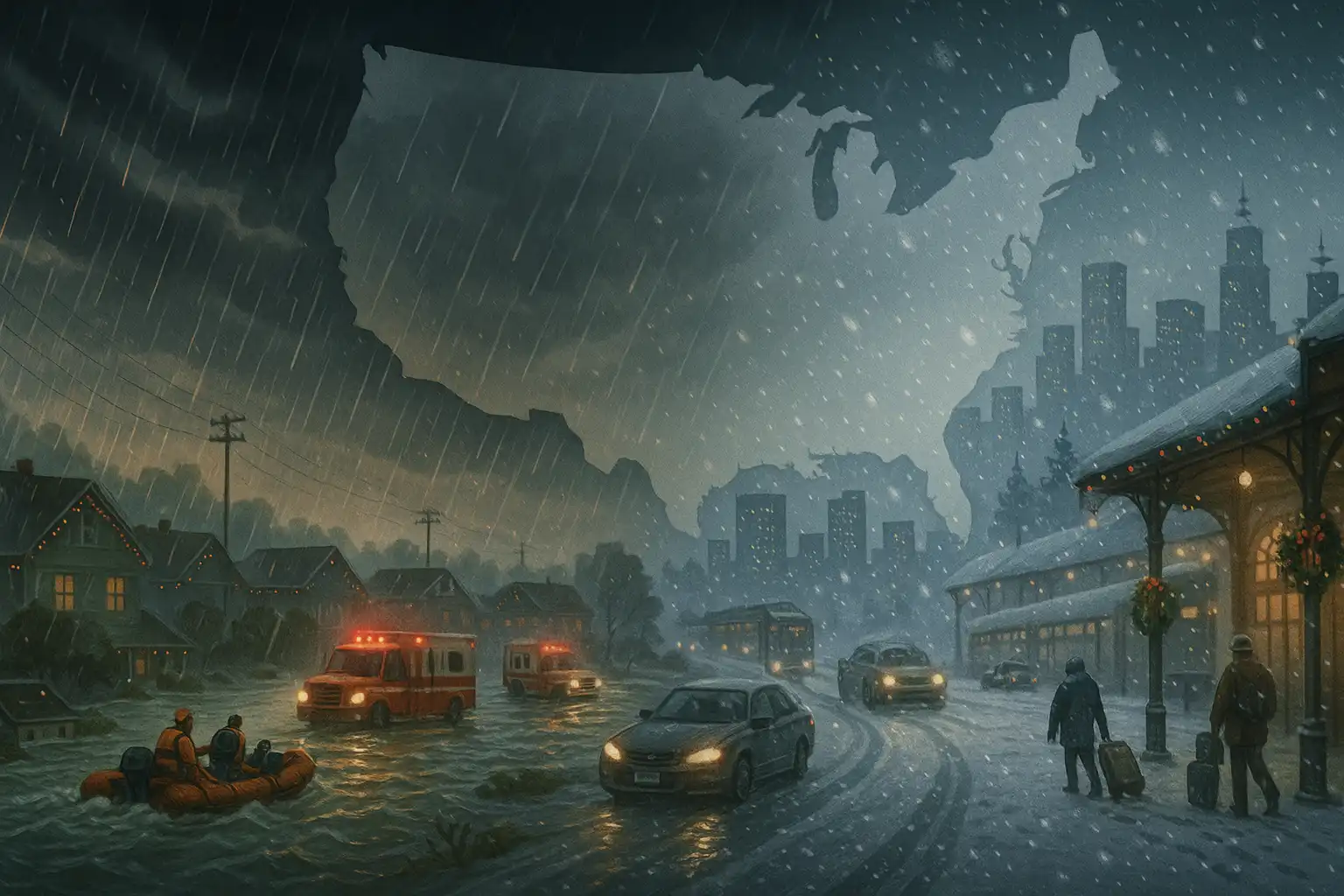
The final weeks of December 2025 have been anything but calm for millions across the United States, as complex storm systems and unseasonably warm air patterns have brought widespread impacts just in time for the busiest travel days of the year. Let’s take a closer look at how this multifaceted weather pattern is affecting communities, infrastructure, and holiday plans from coast to coast.
West Coast: Flood Alerts and Recovery Challenges
The Pacific Northwest and California are once again in the crosshairs of successive atmospheric river events—narrow corridors of intense Pacific moisture that can unleash days of heavy rain and mountain snow. Early this month, these storms sent rivers surging in Oregon, Washington, and British Columbia, triggering one of the largest flood rescue operations in recent memory. Over 1,300 rescues were performed, thousands of homes were flooded, and tragic loss of life was reported as landslides cut off communities and forced mass evacuations [NBC News].
The weather has offered little reprieve: As of Sunday, December 21, yet another atmospheric river is streaming into northern and central California, with the National Weather Service flagging a high risk of flash flooding and rapid rises in rivers, especially in terrain-favored areas. Rainfall rates are peaking near one inch per hour, straining both urban drainage systems and natural waterways. Water damage restoration companies are scrambling to keep up with surging demand, as residents anxiously monitor forecasts for additional impacts and delays in recovery [ts2.tech].
Infrastructure, Response, and the Role of Funding
These events underscore more than just the fury of nature—they point to the crucial need for well-funded and proactive flood mitigation efforts. In Washington state, major flood protection initiatives have languished as federal grants sat on hold amid administrative changes—leaving communities even more vulnerable to catastrophe. Local officials and residents are still picking up the pieces and pushing for faster, more reliable support as climate-driven storms grow in frequency and severity [NBC News].
National Impacts: From Snow in the Northeast to Rollercoaster Warmth in Texas
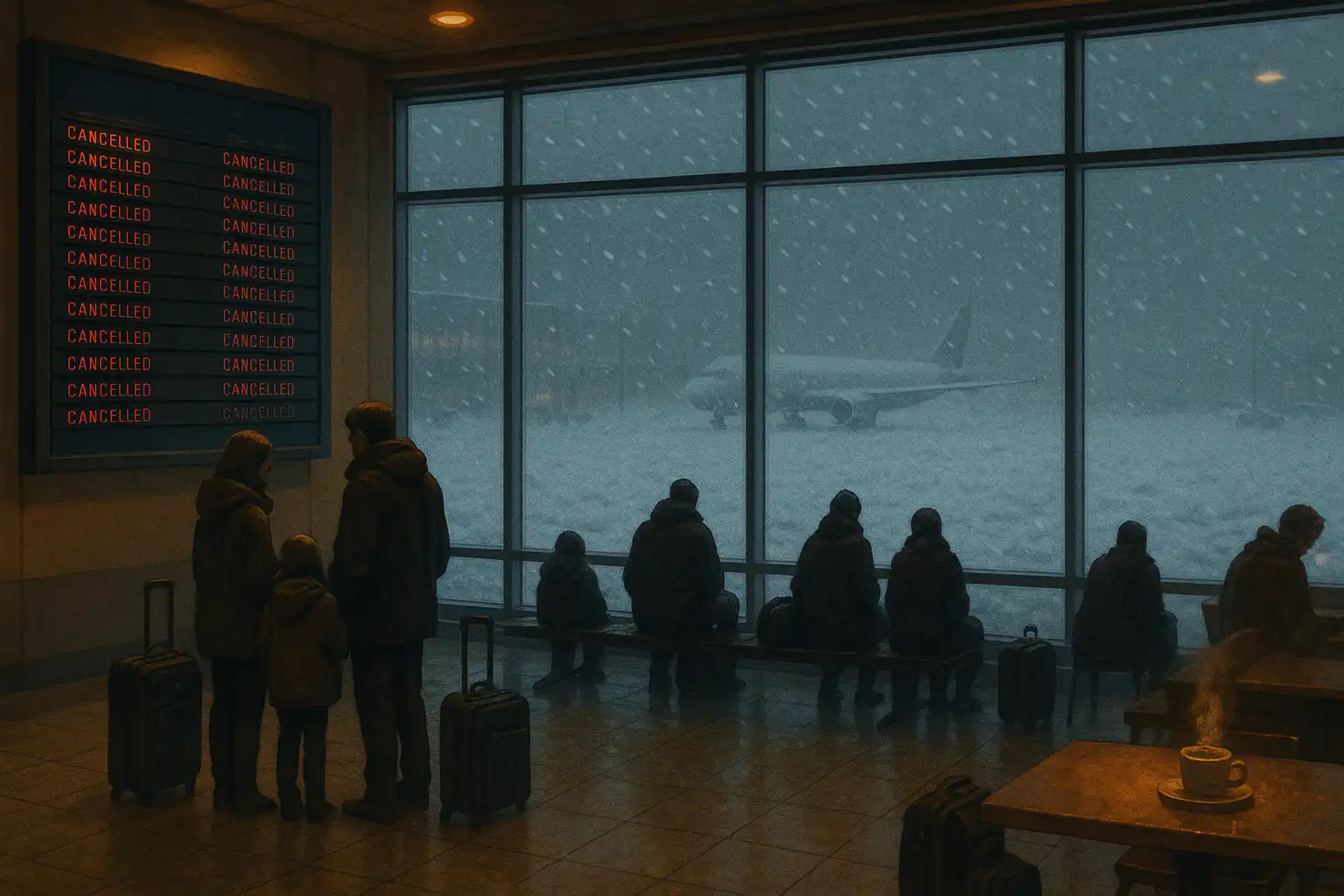
As storm systems eject eastward, many regions are seeing the impacts shift and morph. The Northeast is bracing for a quick shot of wintry weather as a minor system plans a snowy visit to New York City, northern New Jersey, and Connecticut just ahead of Christmas. With cold air in place, accumulating snow is likely for some, before precipitation turns over to rain—raising concerns for holiday travel delays and treacherous road conditions [CBS News].
Meanwhile, much of the central and southern United States enjoys a break from the chill: North Texas, for example, is experiencing an oscillation of temperatures with expectations for much warmer-than-average air as the holiday weekend approaches. In the Rockies and Colorado, frequent swings between snow, dry spells, and record warmth have characterized what climate scientists say is one of the hottest years in state history—adding to wildfire risks and placing extra strain on power infrastructure [Washington Post].
Staying Safe and Prepared
For travelers and residents alike, the holiday takeaway is clear: monitor local forecasts, heed flood and winter weather warnings, and stay flexible with your travel plans. If you live in a flood-prone area, clear gutters, stock an emergency kit, and know your evacuation routes—quick action saves lives. Those facing winter storms should pack vehicles with extra blankets, water, and non-perishable food, and prepare for potential delays or power outages.
Meteorologists and emergency managers will be keeping a close eye on evolving patterns as another stormy, dynamic holiday week unfolds. Community resilience, timely information, and preparation remain our best tools against the rising tide of extreme weather.
Stay safe and travel smart this season!

Leave a Reply to Fact-Check (via Claude claude-sonnet-4-5-20250929) Cancel reply