
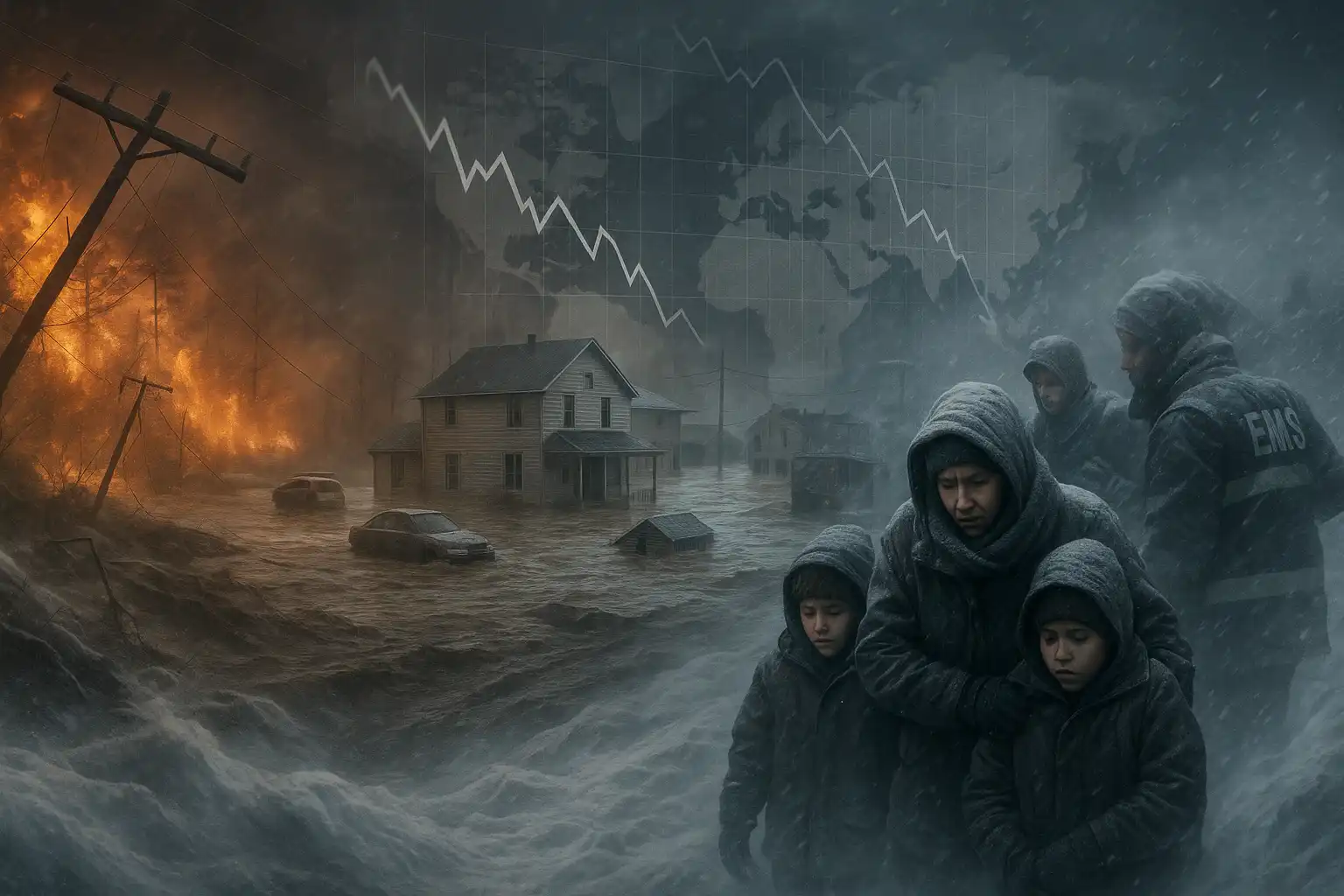
As 2025 drew to a close, extreme weather battered communities across the globe, resulting in more than $120 billion in economic losses—a stark reminder of our collective vulnerability to intensifying climate and weather hazards[1][4]. Here in the United States, the aftermath of devastating wildfires in California quickly gave way to severe winter storms and brutal cold snaps, stretching communities and infrastructure to their limits.
A Year of Relentless Climate Disasters
According to a new report from Christian Aid, 2025’s costliest disaster—the Palisades and Eaton wildfires in California—alone caused over $60 billion in damages[1]. Globally, the economic impact spanned millions affected across continents, from destructive heatwaves in Asia to severe droughts and floods elsewhere. The message is clear: while climate mitigation remains urgently needed, adaptation and resilience must now be prioritized, particularly in vulnerable areas[4].
Storms Batter California, Floods and Mudslides Persist
As the year ended, California faced a different but equally menacing threat. Nearly a foot and a half of rain fell in the mountains above Los Angeles in just days, turning roads into rivers, prompting evacuations, and leaving more than 50,000 without power[5]. Even with storms easing, residual flood and mudslide risks linger, especially in areas scarred by the year’s catastrophic wildfires. It’s a potent reminder of how compounded disasters—fire, then heavy rain—can multiply harm and prolong recovery for affected communities.
Northeast U.S. Plunges into Winter Chaos
Meanwhile, a powerful Arctic blast is bringing brutal cold and a snowstorm to the Midwest and Northeast. Temperatures in Montana along the Canada-U.S. border have dropped low enough for extreme cold warnings—wind chills of minus 40 degrees are expected[2]. In the Northeast, a winter storm is dumping up to a foot of snow in places like Long Island and the Hudson Valley, with the National Weather Service warning of snowfall rates exceeding two inches per hour and dangerous travel conditions[3]. Airline travel has already been disrupted, and governors have issued emergency declarations to help mobilize resources.
The Human Side: Preparing, Responding, and Recovering
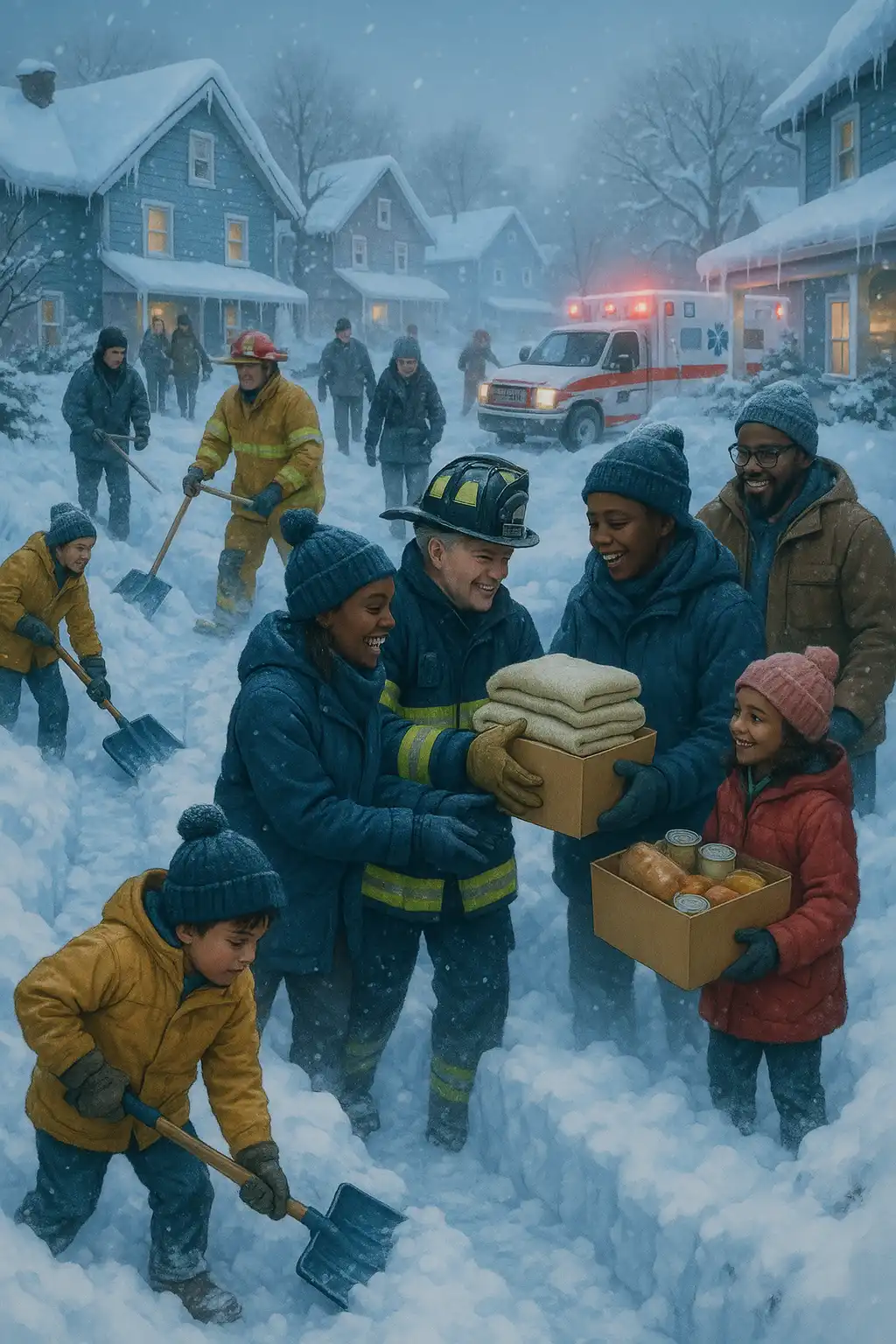
The economic losses tell only part of the story. From power outages to canceled flights, school closures, impassable roads, and the emotional stress of repeated evacuations or isolation in extreme cold, the human cost is immense. Community support networks, first responders, and local authorities have all played critical roles—but the frequency and severity of these events are stretching them thin.
Safety Tips: Staying Safe in Extreme Winter Weather
If you’re in the path of bitter cold or severe winter storms:
- Dress in layers, including a hat, face mask, and gloves if you must go outside. Frostbite can occur in 10 minutes or less when wind chills plunge below -30°F/-34°C[2].
- Avoid unnecessary travel during heavy snow or icy conditions.
- Prepare for power outages: charge devices, stock up on non-perishables, and ensure you have warm blankets.
Looking Ahead: Building Resilience
With costs rapidly escalating—both financially and in terms of human suffering—the need for global action has never been clearer. Investments in early warning systems, resilient infrastructure, and emergency preparedness are essential. As climate impacts intensify, building community resilience and adaptation is as critical as reducing emissions. For all of us, these events are a call to prepare, stay informed, and support measures that protect both people and planet.
References
- Report: Climate disasters cost the world more than $120bn in 2025 – edie.net
- Arctic Blast To Kick-Start 2026—’Snow Machine Will Be Flipped On’ – Newsweek
- Winter storm bears down on U.S. Northeast, disrupting airline travel – Reuters
- Climate Disasters 2025: $120bn in Global Economic Losses – facilitiesmanagement-now.com
- California downpours ease but flood and mudslide risks linger – BBC

Leave a Reply to Fact-Check (via Claude claude-sonnet-4-5-20250929) Cancel reply