
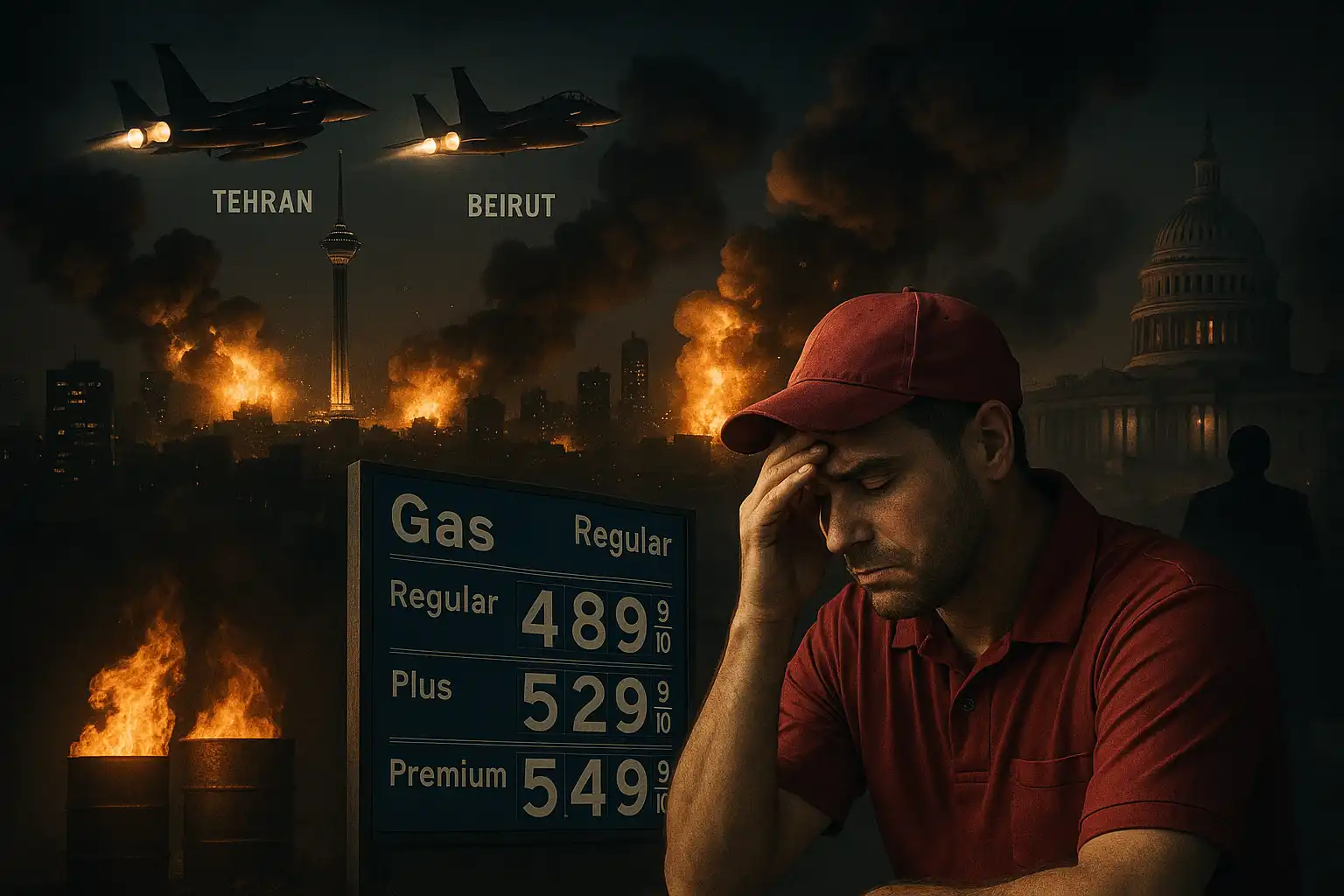
The seventh day of open conflict around Iran is redrawing the battlefield and roiling wallets at home. Israeli airstrikes pounded the capitals of Iran and Lebanon, while Tehran launched fresh retaliatory attacks on nearby countries that host U.S. forces. Gas prices jumped as oil flows out of the Persian Gulf were choked by fighting, and the U.S. military said it set an Iranian drone carrier ablaze in a strike [1].
Signals out of Tehran and Washington point to harder days ahead. Iran’s foreign minister told NBC that Tehran isn’t asking for a ceasefire and is ready for any U.S. ground invasion—an option President Donald Trump has publicly ruled out as a “waste of time,” even as the Pentagon warns that attacks inside Iran are set to surge [1] [2]. The northern front is intensifying too, with Israel renewing efforts to crush Hezbollah in Lebanon amid cross‑border fire [2].
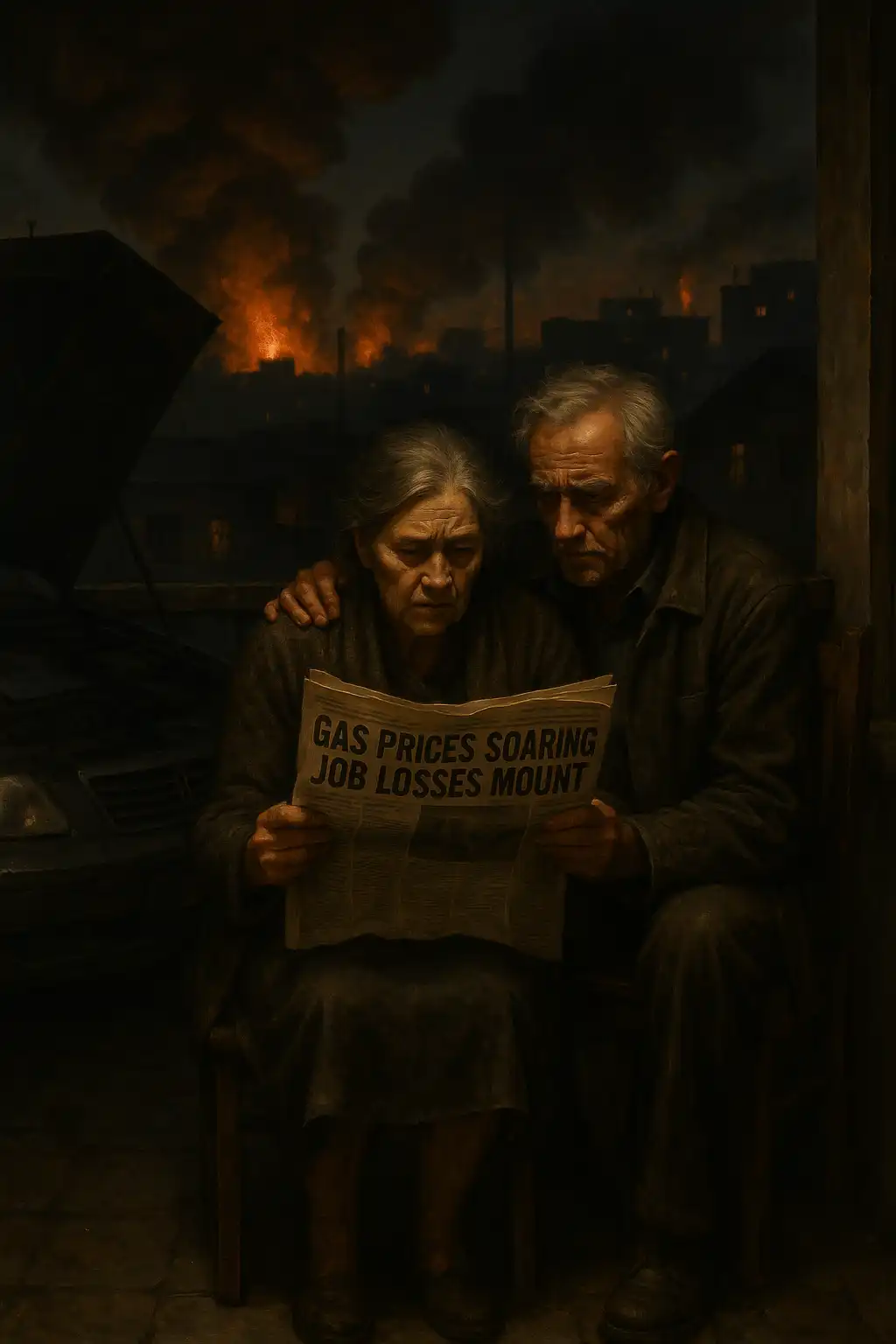
The war’s economic bite is beginning to show up in American data and day‑to‑day life. U.S. employers cut 92,000 jobs in February, a downbeat surprise that analysts called “ugly” across the board, as consumers face higher gasoline prices at the pump [2] [1]. ABC News reports Americans are already feeling the war’s impact—from pricier commutes to disrupted travel, including citizens stranded in Gulf hubs such as Qatar [3] [2].
In Washington, Homeland Security Secretary Kristi Noem is out—a move that a former DHS official said he was surprised “took so long,” underscoring the turmoil as the administration manages a widening overseas conflict and its domestic spillovers [3]. On the political front, Trump has also said the U.S. should have a role in selecting Iran’s next supreme leader, a remark likely to inflame tensions in Tehran as succession plans advance following the killing of Ayatollah Ali Khamenei [2] [1].
What I’m watching next:
- Escalation ladder: Whether the promised surge of strikes materializes—and how Iran responds beyond missile and drone attacks [2].
- Energy shock: The durability of the gas‑price spike and any knock‑on effects to inflation and consumer spending [1].
- Northern theater: If Israel’s campaign against Hezbollah broadens, raising the risk of a wider regional war [2].
- Beltway churn: How DHS leadership changes shape border, aviation, and critical‑infrastructure postures during a period of heightened threat [3].
References
- Live updates: Israeli strikes pound Iran, Lebanon; gas prices jump at the pump — NBC New York. [Link]
- ABC News Top Stories video page (jobs report, gas prices, Pentagon surge, Hezbollah front, Trump on Iran’s next leader, Noem out). [Link]
- ABC News video hub (Americans feeling impact, Noem reaction, latest war coverage). [Link]

Leave a Reply to Fact-Check (via Claude claude-sonnet-4-5-20250929) Cancel reply