
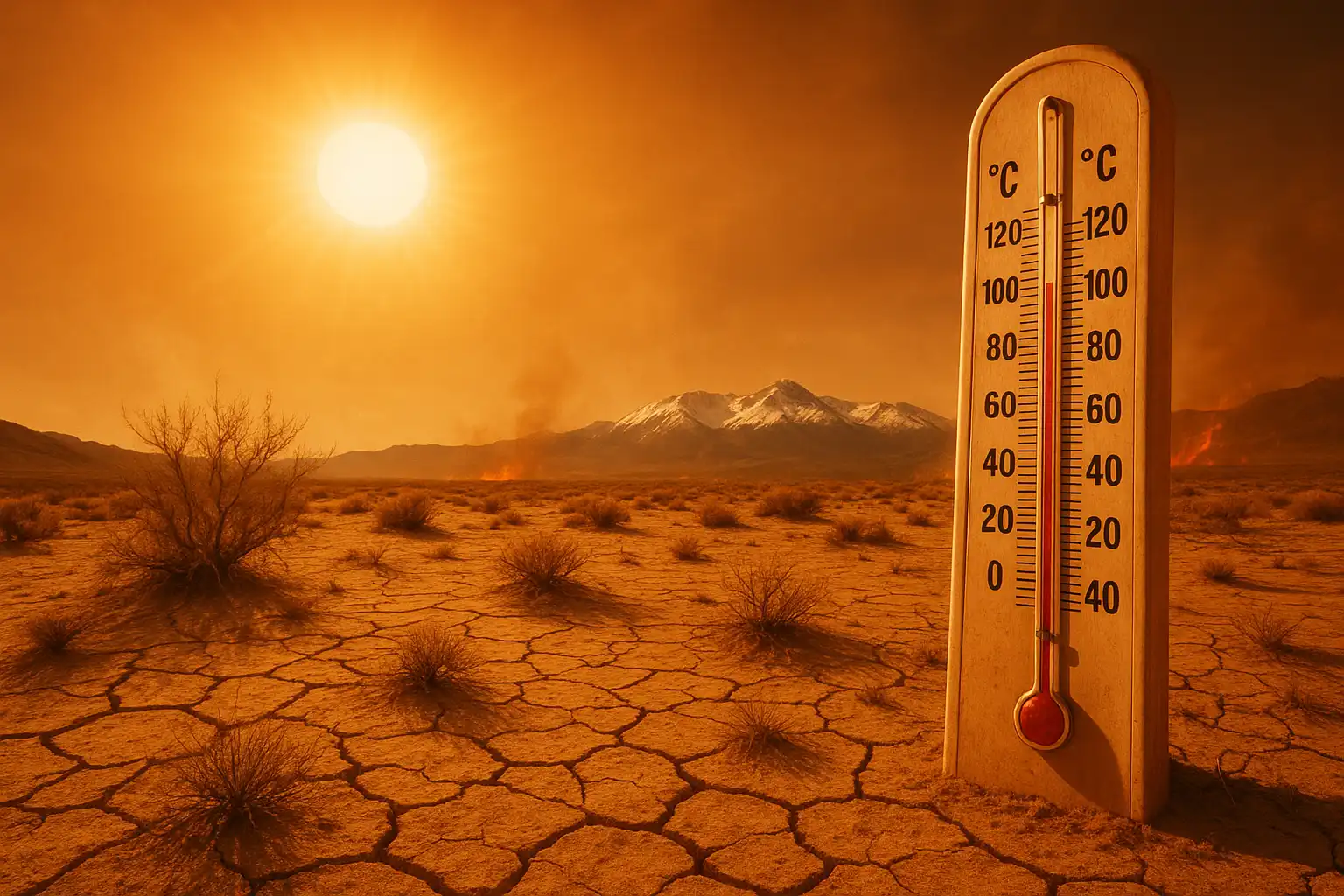
As a meteorologist, even I find myself doing a double-take at the forecast maps this week: what we’re seeing unfold across the Western United States is nothing short of extraordinary. March, typically a transition month from winter storms to spring warmth, is being rewritten by a heatwave more reminiscent of mid-summer, smashing temperature records and setting off a new set of climate alarms for water supplies and wildfire risk.
A Truly Anomalous Heat Dome
The culprit is a massive and persistent heat dome—a strong area of high pressure—that has anchored itself over the West. This atmospheric blocking pattern isn’t just setting up a few toasty afternoons; it’s driving relentless extreme heat through at least the next week and a half. Already, temperatures in Phoenix are poised to hit 100°F for the earliest time on record, beating the previous earliest by over 10 days. Across Arizona, California, Nevada, and New Mexico, high temperatures are forecast to soar into the 80s, 90s, and even lower 100s, with some areas running 30 degrees above their seasonal average [1], [2].
This heat event is not limited to the Southwest. As the dome expands, it will encompass much of the Intermountain West—Utah, Colorado, Wyoming, Idaho, and Oregon may all see monthly records tumble. Cities not normally associated with such heat in March, like Salt Lake City and Denver, are likely to experience highs well into the 80s [2].
Immediate Human and Environmental Impacts
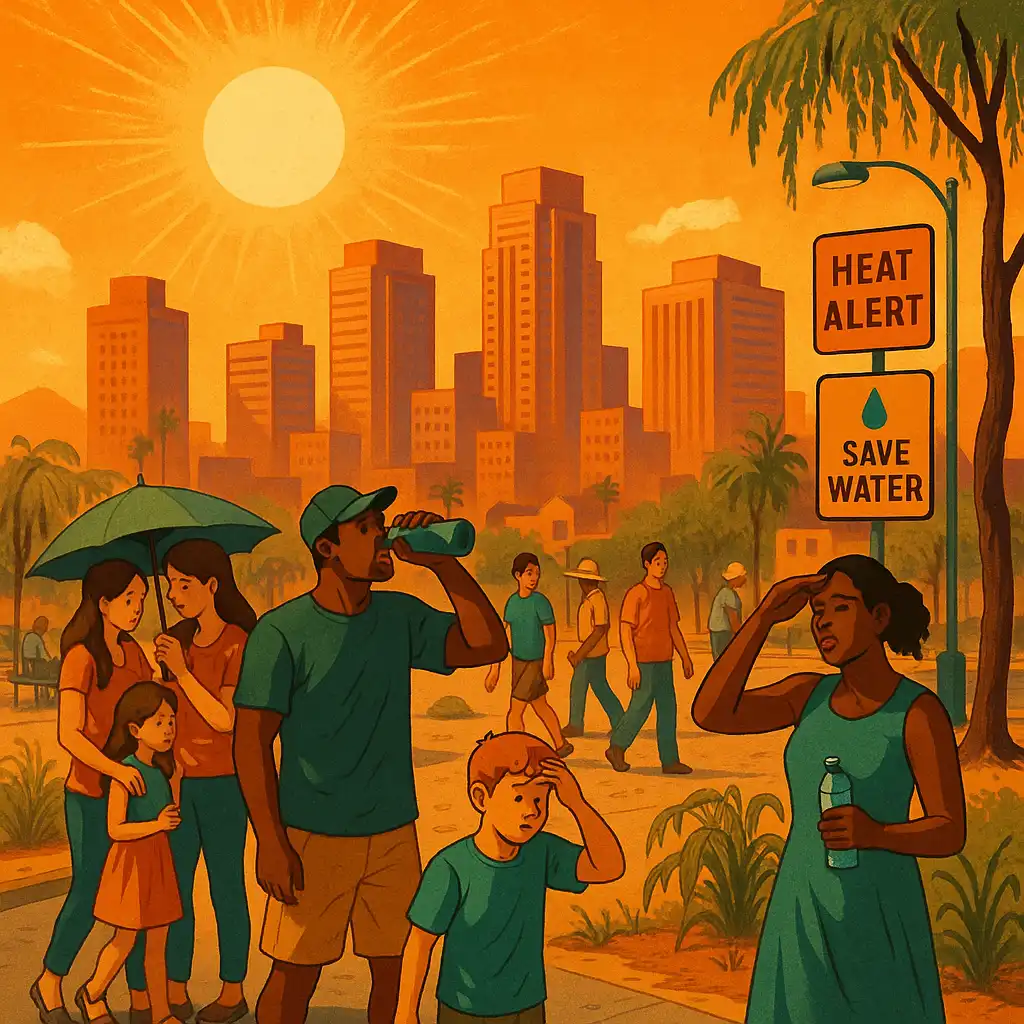
Unprecedented March heat doesn’t just rewrite the record books—it brings sudden and real danger to millions. The National Oceanic and Atmospheric Administration warns that 20 to 25 million people across the West will fall into moderate heat risk (Level 2 out of 4), a level where heat stress becomes a concern for sensitive groups, those without reliable cooling, and those working outdoors [2].
Extreme heat remains the top weather-related killer in the United States each year. When it strikes in spring, few people are prepared—air conditioners haven’t been serviced, public cooling centers may not yet be open, schools may not have heat protocols in place—all factors that can compound health risks [1].
Snowpack Meltdown: Dangers for Water and Wildfire Season
Perhaps most concerning is what this heat portends for the West’s already dismal mountain snowpack. The warmth is forecast to induce a rapid melt, especially problematic given that snowpack in places like Colorado and Utah is already scraping record lows. Climate scientist Daniel Swain described the situation bluntly: “We’re going to get to April first and we’re going to see some very scary snowpack numbers essentially everywhere across the West” [1]. In Utah, for example, a full foot of snow in Salt Lake City would be needed just to catch up with the season’s second-lowest total, and such a storm is nowhere in the forecast [2].
The implications ripple through the coming months: lower snowpack typically means decreased river flows and reservoir levels as summer wears on, compounding already severe drought conditions. For Western agriculture and cities, this jeopardizes water supplies. It also primes forests and grasslands for yet another severe wildfire season. We’re already seeing firsthand how extreme wind, paired with dry conditions, is complicating firefighting efforts—as in Northern Colorado, where a recent blaze forced evacuations until the wind calmed enough to lift them [5].
The Broader Picture: Energy and Community Strain
Extreme weather also stresses the grid—power outages have been spiking recently, both from winter storms in the East and the risk of wildfire-driven shutoffs out West [3]. Utilities sometimes cut electricity preemptively to reduce the chance that lines will spark new fires, inconveniencing thousands but likely saving lives. For vulnerable residents—those without air conditioning, the elderly, and people with chronic illnesses—such outages during a heatwave are especially dangerous.
Safety Tips for the March Heat
- Check in on neighbors: Elderly or isolated individuals may not realize the danger until it’s too late.
- Hydrate: Drink water regularly, even if you don’t feel thirsty. Avoid sugared and alcoholic drinks.
- Seek cooling: Spend time in air-conditioned places if possible. Libraries, malls, and designated cooling centers can be lifesavers.
- Limit outdoor work during peak heat: Plan activities for early morning or late evening.
- Pay attention to local alerts: Conditions are dynamic, and sudden fire or power risks can prompt urgent action.
Looking Forward
This March heatwave is a blunt reminder of the “new normal”—more frequent, intense, and unseasonal weather extremes as the climate shifts. Communities, utilities, and individuals must adapt, staying alert to rapidly changing risks. If you’re in the West, it’s time to treat these March days with the respect we usually reserve for July.
References
- Say goodbye to spring — a major weather pattern shift is coming – CNN
- West Coast braces for record-breaking March heat wave. How hot will it get? – The Washington Post
- Power Outage: List of US States, Counties Most Affected – Newsweek
- Extreme winds complicate firefighting efforts in Northern Colorado – CBS News

Leave a Reply to Fact-Check (via Claude claude-sonnet-4-5-20250929) Cancel reply