
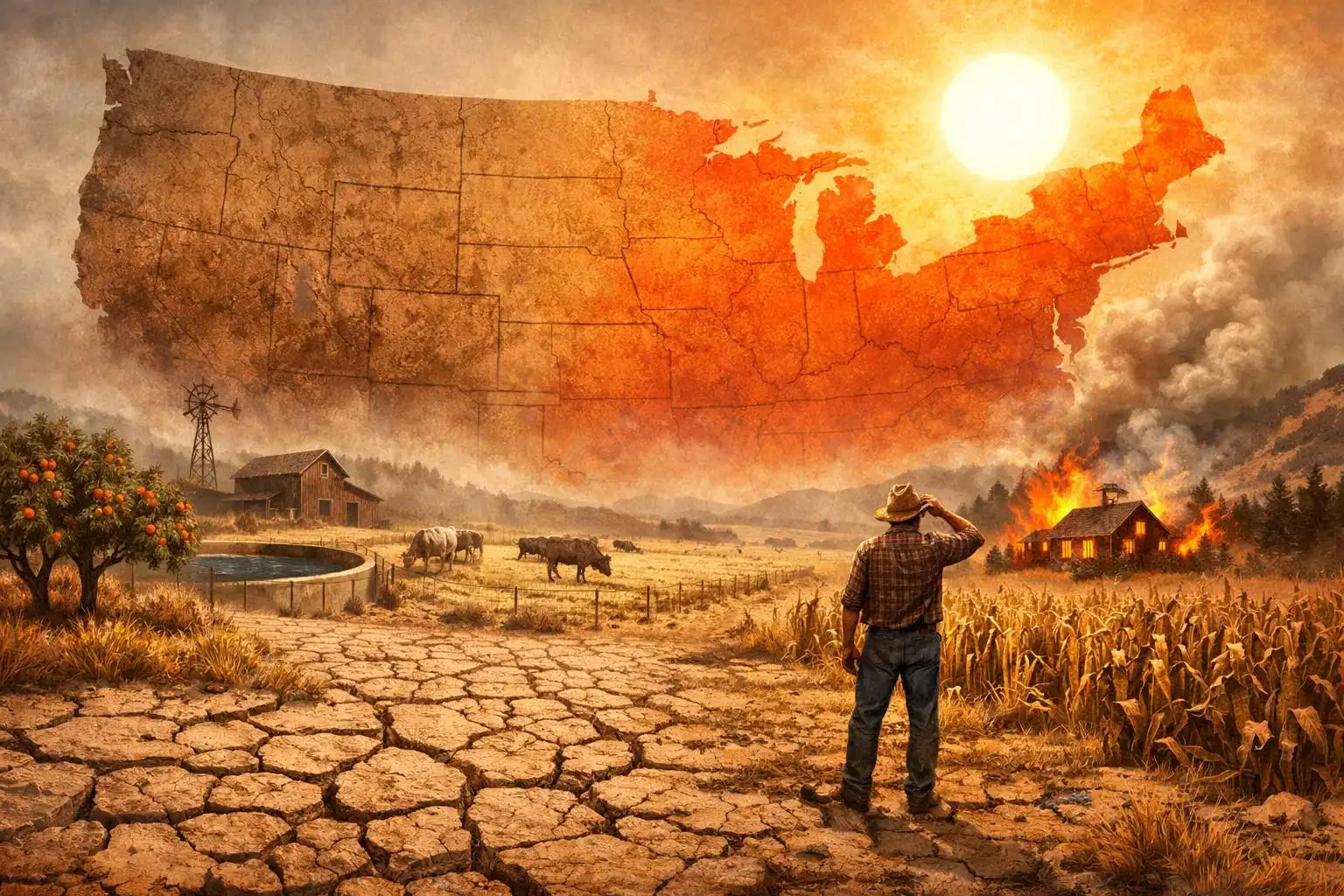
Spring 2026 is shaping up to be one of the most challenging periods for drought and extreme heat across the United States in recent memory. From Florida’s desiccated landscapes to the parched slopes of Colorado’s Front Range and the wind-battered Great Plains, the compounding effects of a dry winter, record-breaking heatwaves, and persistent drought are converging to reshape fire risk, water supply, and even the nation’s food system.
Florida: A Wet State Gone Parched
Florida is typically synonymous with humidity, rain showers, and lush subtropical landscapes. But by April 2026, the story was starkly different: almost 80 percent of the state was facing “extreme” drought conditions, according to U.S. Drought Monitor data. Groundwater levels, especially in northern and central Florida’s shallow aquifers—the main source of drinking water and irrigation—are at their lowest in years[1].
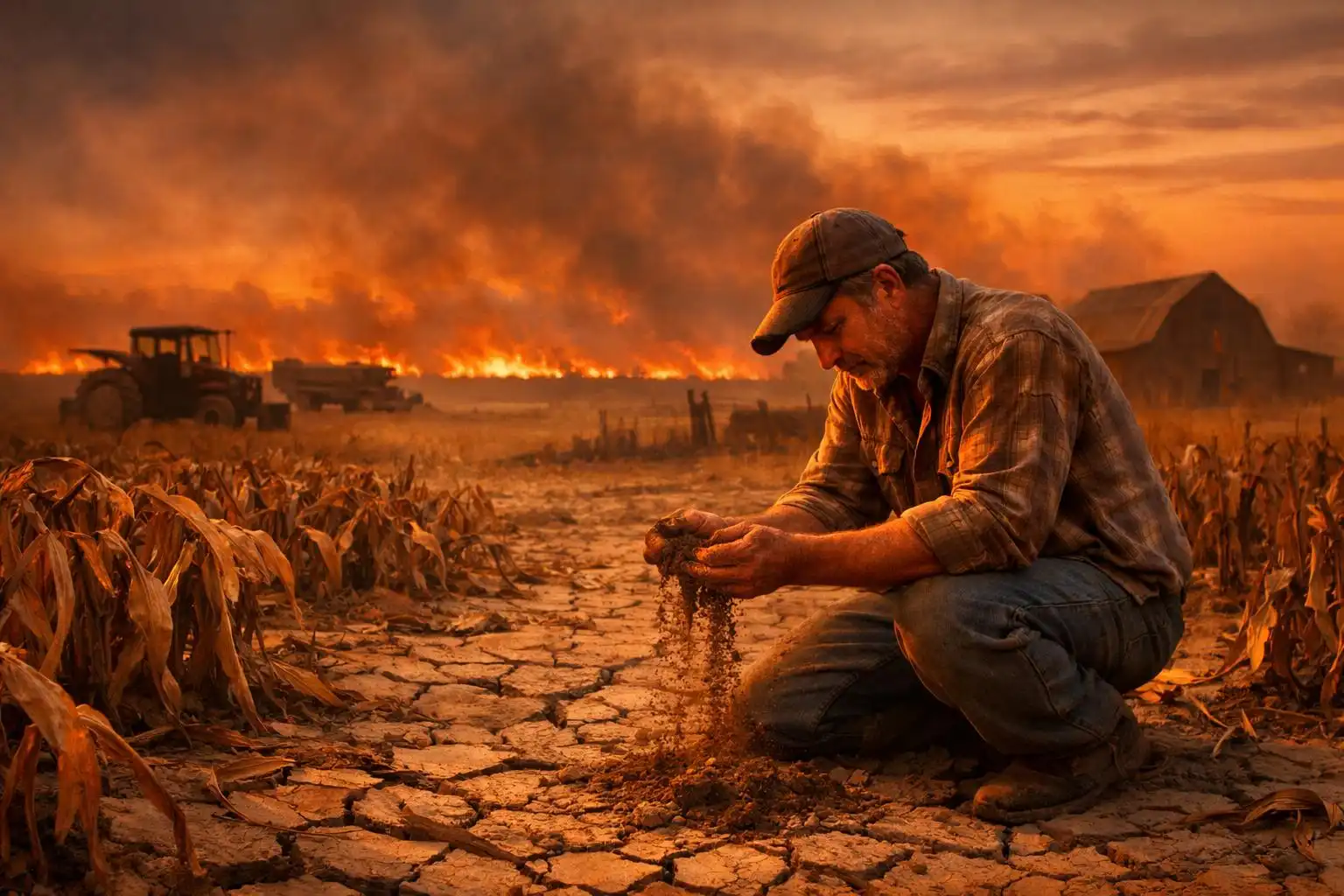
The impacts are manifold. Wildfire risk is rising across the state as vegetation dries, and citrus growers—already battered by costly freezes and long-running disease outbreaks—struggle with the mounting stress on their crops[1]. A slow-moving rainstorm in early April has offered some hope, but climatologists warn that reversing such a severe drought could take many months, if not years, of consistently above-normal rainfall.
Colorado and the Rockies: Heatwaves, Drought, and Fire Warnings
The western U.S. is no stranger to drought, but Colorado is feeling particularly vulnerable this spring. A historic heatwave at the end of March sent temperatures soaring, evaporating what little moisture remained in soils after a dry winter. Boulder’s Chautauqua area saw a grassfire break out on April 6—a worrisome sign of what could be a long, volatile fire season[2].
Water managers are on high alert. Denver already imposed mandatory watering restrictions for the first time in over a decade. Experts caution that even rain could prove problematic on hardened, drought-stressed soils, as runoff could lead to flash flooding rather than replenishing water tables. The best outcome would be gentle, protracted rains to allow gradual recovery, but with climate unpredictability on the rise, nothing is guaranteed[2].
Across the Plains: Farmers Face a Bleak Outlook
The drought is taking a steep toll on U.S. agriculture. Farmers in the Great Plains, once called the breadbasket of the world, are confronting winter fields stripped bare by wind and heat instead of being blanketed in life-preserving snow. Crops and pastures are drying out, and ranchers are already reporting surges in the cost of beef as the supply chain feels the pinch of higher feed prices and reduced grazing capacity[5].
Losses in Florida’s agriculture alone have topped $3 billion from a single late-winter freeze, and continued drought could drive up produce prices nationwide[1]. As the 2026 planting season unfolds, the food security implications extend far beyond farms to kitchen tables across the country.
Homeowner Risks and Insurance: A New Reality
It’s not just crops and water supplies feeling the impacts. Insurance premiums in areas at high risk for wildfire—or windstorms, which often accompany dry weather—are climbing faster than inflation. Between 2019 and 2024, homeowners living in “severe or extreme” wildfire zones have seen their insurance costs rise by an average of $181 per year compared to those in “major” zones. But in wind-prone areas, the hit is even steeper: premiums are on average $1,294 higher annually than in moderately risky areas[4].
These rising costs, driven by climate and weather extremes, are putting increasing pressure on household budgets and raising questions about long-term community resilience.
Safety and Resilience: What Can Communities Do?
Amid these challenges, what can communities and individuals do? Here are a few key steps:
- Stay informed: Monitor local drought, fire, and water use advisories from trusted state and federal sources.
- Conserve water: Adhere to watering restrictions and consider xeriscaping and water-wise appliances, especially in regions recently placed under mandatory limits.
- Prepare homes for wildfire: Clear brush, install ember-resistant vents, and construct defensible space around rural or wildland homes.
- Advocate for long-term solutions: Support investments in resilient water infrastructure and farming practices that can better withstand weather extremes.
As a meteorologist, I’ve seen weather patterns ebb and flow, but the coupling of record heat with entrenched drought this year is historic. The stakes—from wildfire risk to food prices—are a reminder of our deep interdependence on climate and our shared responsibility to adapt and prepare for an uncertain future.
References

Leave a Reply to Fact-Check (via Claude claude-sonnet-4-5-20250929) Cancel reply