
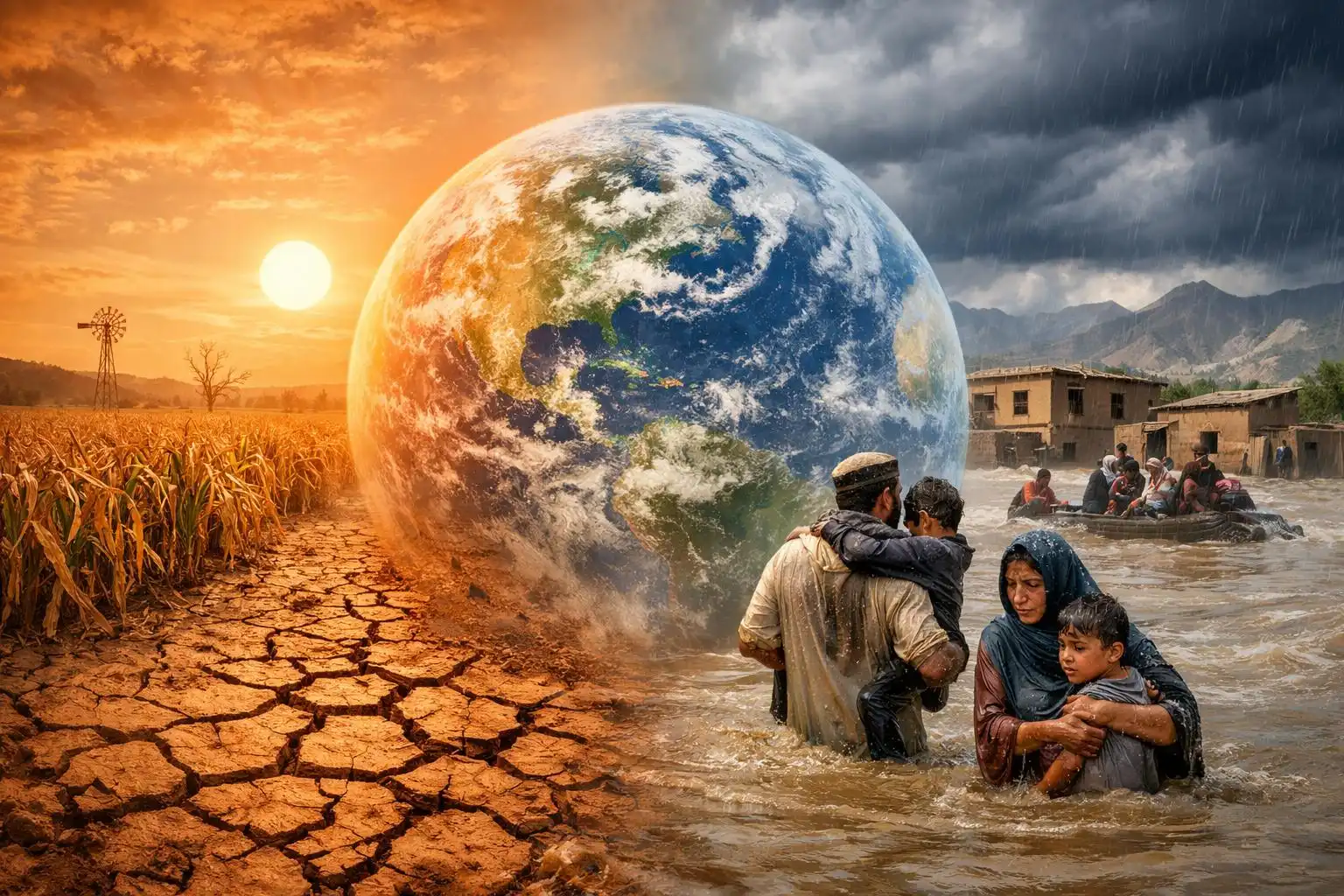
March 2026 has gone down in meteorological history as the most abnormally hot month ever recorded across the continental United States, with temperatures soaring well above the 20th-century norm. Federal meteorologists report that the scope and intensity of this anomalous warmth is unmatched in at least 132 years of climate recordkeeping, with six of the ten most abnormally hot months occurring in just the last decade—a worrying sign of ongoing global climate change[1].
While Americans wrestle with the consequences of such heat—like shrinking snowpacks, heightened wildfire risks, and agricultural concerns—the story of extreme weather is hardly confined to the U.S. In recent weeks, Afghanistan has faced deadly extremes at the opposite end of the climate spectrum. Unrelenting storms and torrential rainfall triggered catastrophic flooding and lethal landslides. Authorities now report at least 110 people have died in events spanning nearly all of Afghanistan’s 34 provinces, with more casualties expected given the forecast for additional rain[2].
Understanding the Drivers: From El Niño to Compound Hazards
Meteorologists point to a potent combination of factors driving today’s extremes. In the U.S., the departure of a strong El Niño has disrupted atmospheric patterns, bolstering persistent high-pressure systems that block cooler flows and bake broad swathes of the country. Forecasters warn the next year could deliver even greater warmth if El Niño strengthens anew, fueling more record-breaking events[1].
In contrast, Afghanistan’s geography—mountain valleys vulnerable to cloudbursts and lacking resilient infrastructure—translates to tragedy when intense rains arrive. Without flood walls and warning systems, entire communities can be swept away at night, compounding human loss. These hazards aren’t siloed; hotter global patterns can intensify both droughts and deluges by altering precipitation cycles.
The Human Face of Weather Disasters
Behind every statistic are families and neighbors in upheaval. In Afghanistan, villagers have recounted the harrowing speed with which rivers rose and homes collapsed. Efforts to recover missing persons are stymied by damaged roads—a reminder that vulnerability isn’t just about climate, but about resources and readiness[2].
In the U.S., warming trends manifest in health risks for outdoor workers, economic losses for farmers whose crops fail to germinate, and the constant hum of air conditioners stretching power grids. Rural regions that rely on snowmelt for water face compounding water shortages and new wildfire threats.
Disaster Declarations and the Policy Response
With extreme weather mounting, institutions are strained. The U.S. government recently approved disaster declarations for at least seven states affected by extreme events, unlocking critical aid for infrastructure repairs and survivors. However, numerous other requests remain pending, illustrating how response systems are being tested by the rising pace and geographic spread of disasters[3].
Looking Ahead: Building Resilience
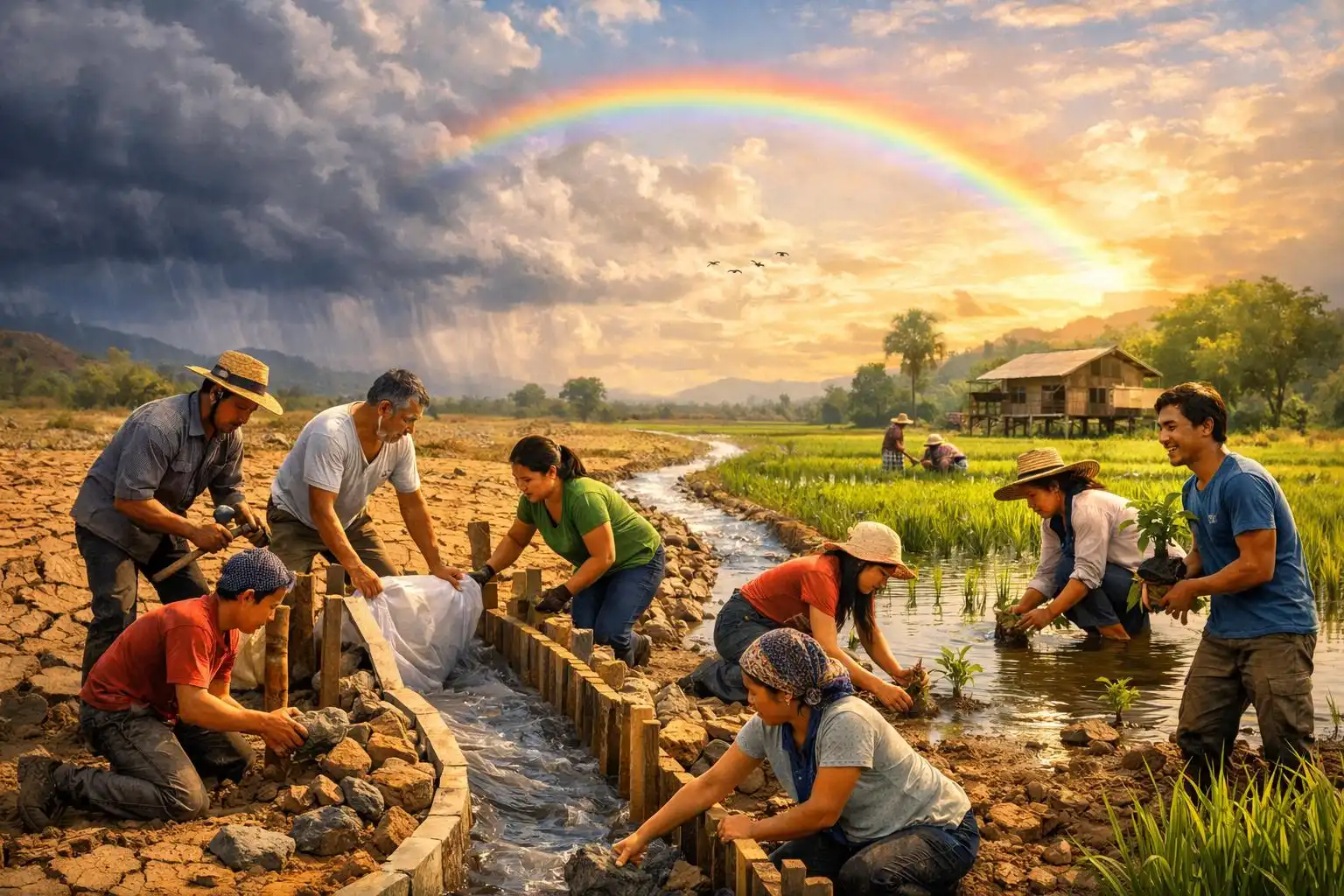
If recent months are a preview of what’s ahead, both adaptation and mitigation will matter more than ever. Communities can prepare by:
- Strengthening flood defenses and early warning systems, especially in vulnerable areas
- Updating building codes and agricultural practices to suit shifting climate baselines
- Investing in disaster readiness and mutual aid at the local level
- Supporting policies that reduce global greenhouse gas emissions
Weather extremes are increasingly a shared global reality, felt uniquely in each community but linked by underlying physics and climate shifts. Fostering resilience and compassion must go hand-in-hand with science if we are to weather storms—of any kind—in the years ahead.
References

Leave a Reply to Fact-Check (via Claude claude-sonnet-4-5-20250929) Cancel reply