
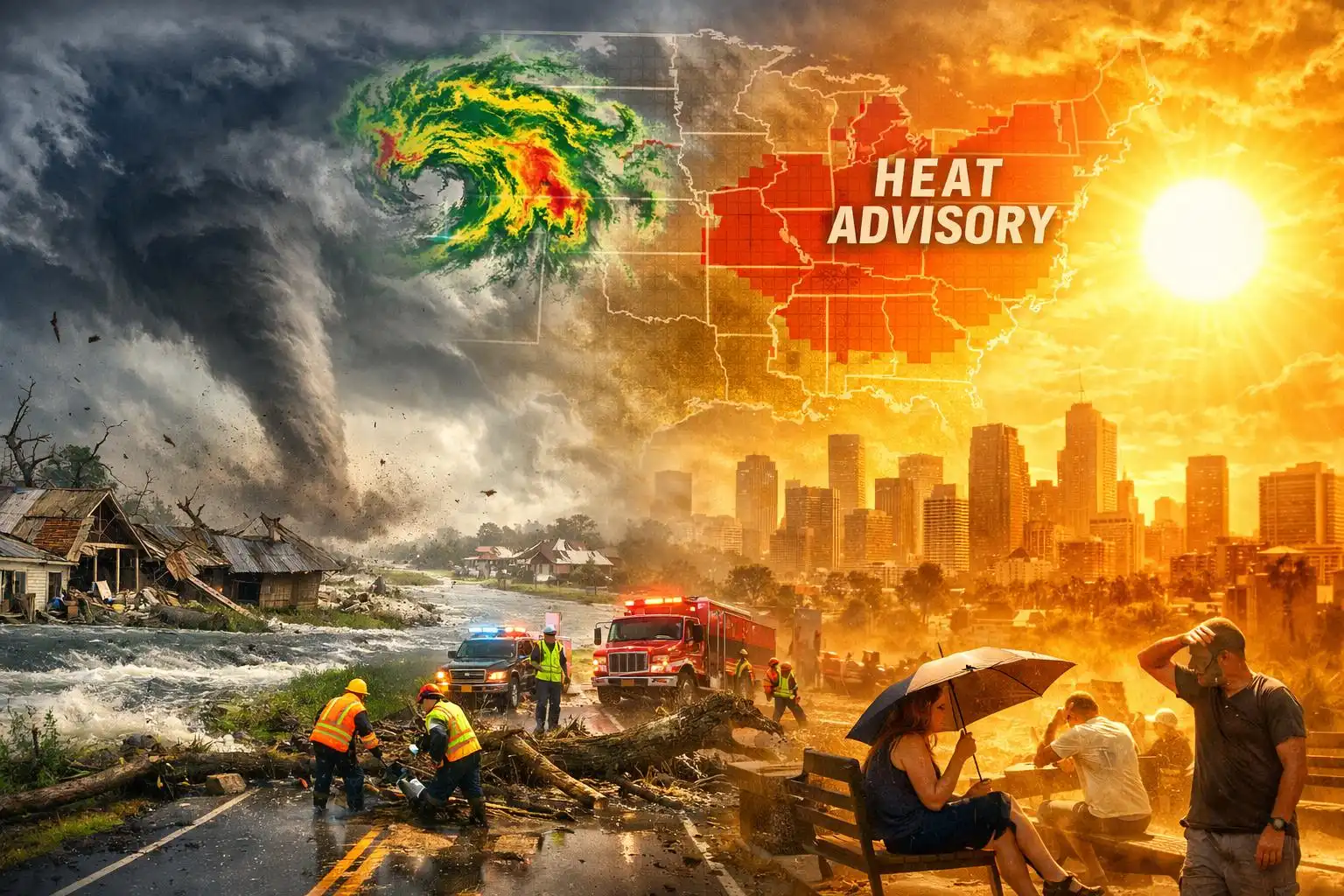
As a meteorologist, it’s rare to witness the convergence of such intense weather extremes across the United States as we have this April. In a single week, Americans from the Midwest to the East Coast have weathered a relentless barrage of severe storms—complete with tornadoes, large hail, and dangerous flooding—only to face the onset of a record-shattering spring heatwave. The consequences are not just meteorological footnotes; they’re reshaping daily life, upending communities, and stretching the nation’s emergency response systems to their limits.
Tornadoes and Floods Sweep the Midwest
A potent weather pattern swept across states from Texas through the Midwest and into the Great Lakes this week, triggering over a thousand reports of large hail, hurricane-force winds, and tornadoes [1]. Wisconsin was particularly hard-hit, with Governor Tony Evers declaring a state of emergency after at least three tornadoes ripped through the state. In Michigan, powerful storms damaged two ice arenas, uprooted countless trees near the University of Michigan, and forced schools to close due to flooding and power outages [3].
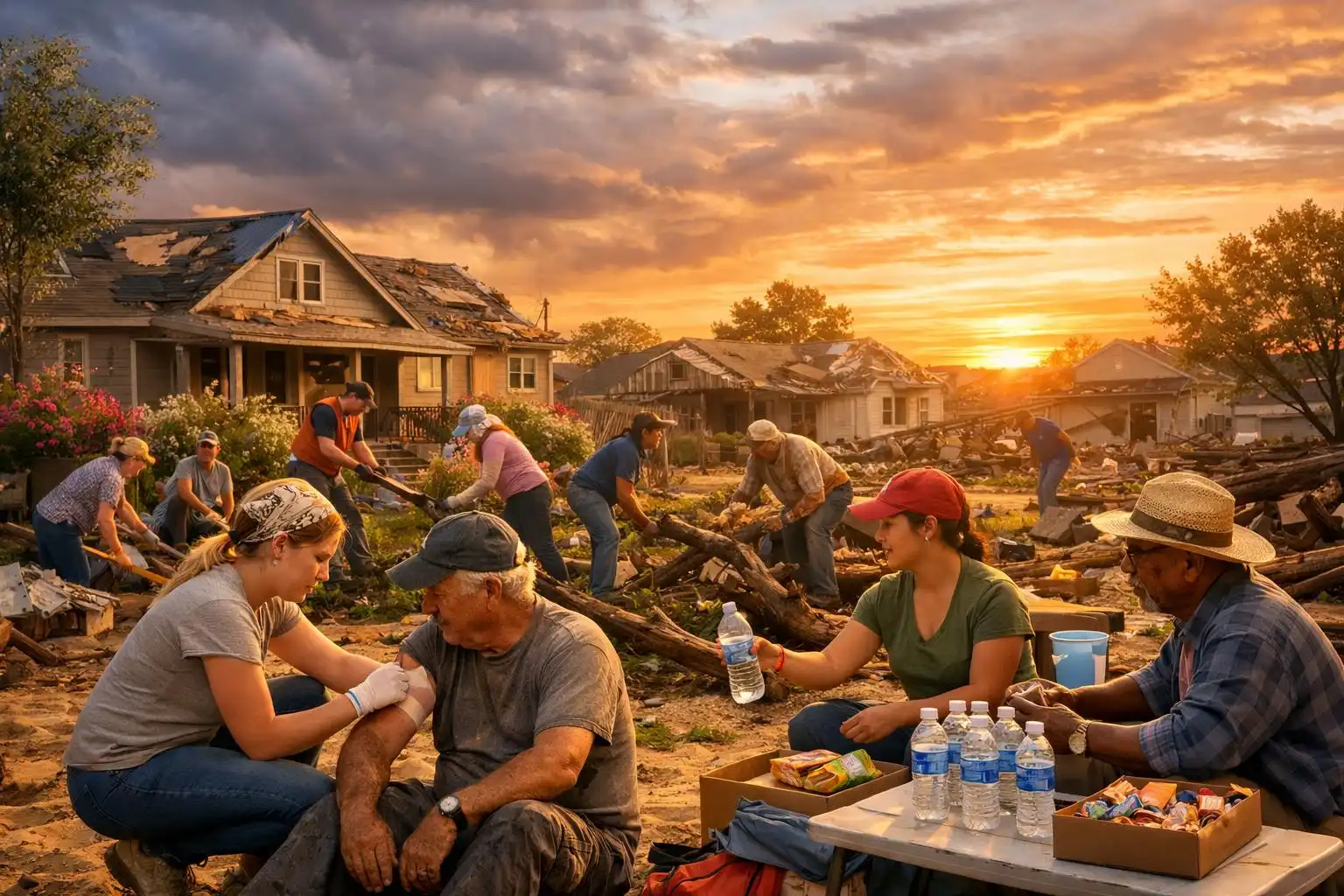
Photos from across the region show swollen rivers—like the Croton Dam in Michigan—struggling to contain torrents of runoff, while emergency crews work tirelessly to clear debris and restore roadways. Notably, Ann Arbor saw wind gusts near 70 mph and reports of golf ball- and baseball-sized hail. Entire school districts, such as Cheboygan Area Schools, had no choice but to cancel classes and events, citing unsafe travel and worsening conditions.
The Science Behind the Storms
Meteorologists attribute this outbreak of severe weather to a dynamic interaction between a moisture-rich air mass and a powerful jet stream arcing across the central and eastern U.S. This cocktail creates the ideal setup for rapid storm development, including supercell thunderstorms capable of generating tornadoes and producing destructive hail [1], [3]. Atmospheric instability—fueled by clash of warm, moist air from the Gulf with cooler air aloft—makes the threat of storms linger for days, and allowed multiple rounds of severe weather to traverse the country.
Heatwave: A Stifling, Early Surge
Even as some communities are still drying out from floods, much of the eastern U.S. is now bracing for a spring heatwave that forecasters call “borderline unprecedented” in its duration and scope [2]. Temperatures are set to soar close to 90°F (32°C) in cities from Georgia up to New York, and may persist for days—an extremely rare occurrence for April. Meteorologists warn that such early and prolonged heat can strain power grids and severely impact vulnerable populations, including the elderly and those without access to cooling.
Human Impact: Disruption and Recovery
The combined toll of storms and heat is already evident. From storm-wrecked homes and businesses in Kansas and Michigan, to major power outages in Ann Arbor and school closures across Wisconsin and Michigan, residents are grappling with property loss and uncertainty. In affected regions, local and state leaders have declared emergencies and mobilized disaster response teams, while communities pitch in to clear debris and begin the slow process of recovery [1], [3].
With the heatwave, health officials urge everyone to stay alert for signs of heat illness, check on neighbors, and heed any advisories regarding cooling centers or water restrictions. The prolonged nature of the heat makes it essential to remain vigilant well beyond the day that records are toppled [2].
Safety Tips for the Season
- During Severe Storms: Seek shelter in a basement or interior room away from windows; monitor weather alerts; avoid flooded roadways.
- During Heatwaves: Stay hydrated; limit outdoor activities during peak hours; never leave children or pets unattended in vehicles; and use air conditioning where possible.
Looking Ahead
With the jet stream still poised to channel moisture and unstable air, additional rounds of severe weather could be in the cards into the weekend. The juxtaposition of violent storms and sweltering heat in April is a potent reminder of the new era of weather extremes—and the critical importance of preparedness and resilience.
Stay safe, stay informed, and don’t hesitate to reach out to local agencies for help if you’ve been impacted by these recent events.
References

Leave a Reply to Fact-Check (via Claude claude-sonnet-4-5-20250929) Cancel reply