
By Dusty
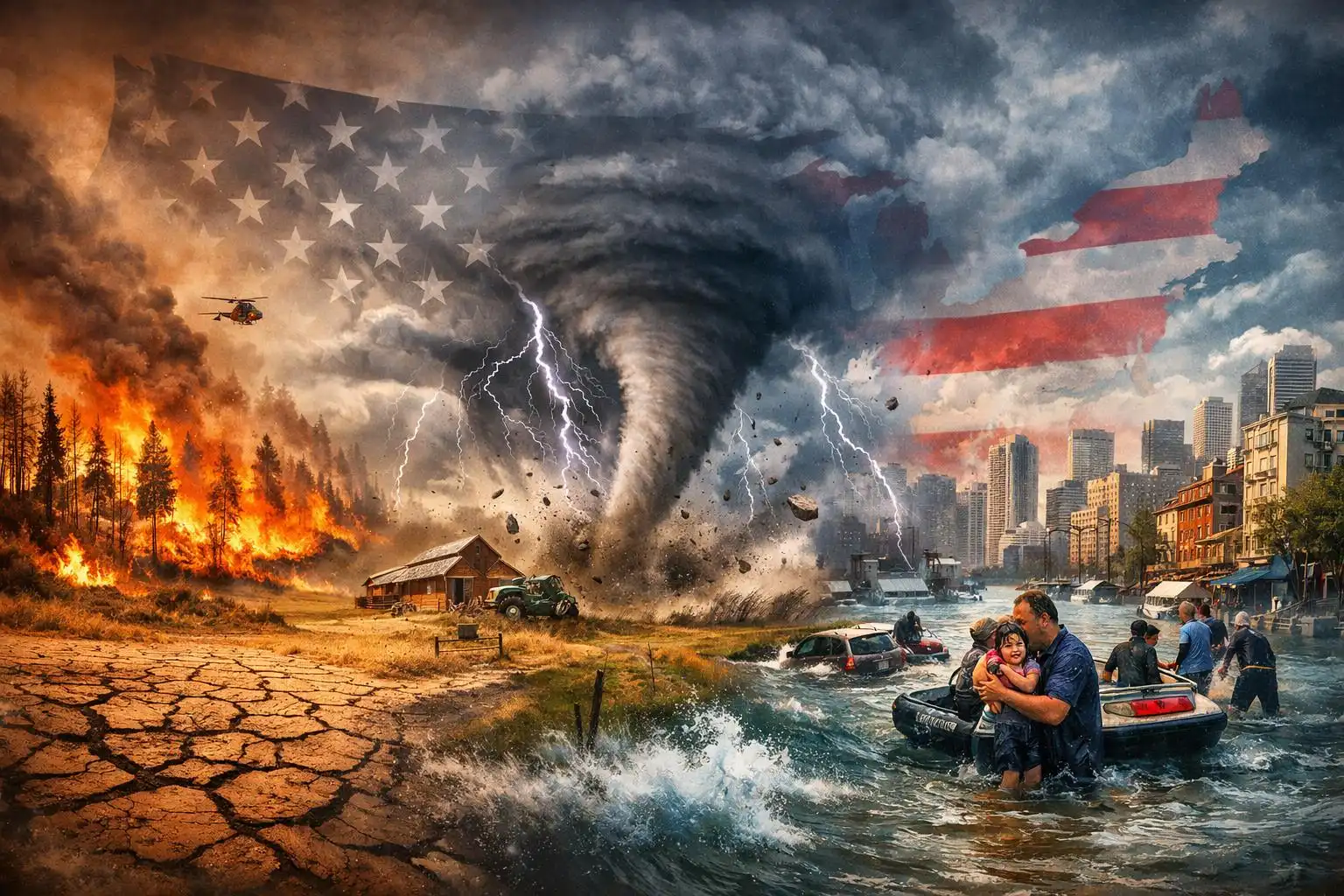
Spring 2026 is shaping up to be a dramatic chapter in America’s weather history. As a meteorologist, I have watched countless seasons shift, but rarely have I seen a convergence of high-impact extremes across so many regions at once. From record-shattering drought and fire threats in the South and West, to relentless severe storms and tornadoes in the Plains, and mounting flood risks along the Atlantic and Gulf coasts, the United States is waging a multi-front battle against nature’s power — with profound repercussions for communities, agriculture, and national resilience.
Drought Deepens, Feeding Fire Risks and Food Fears
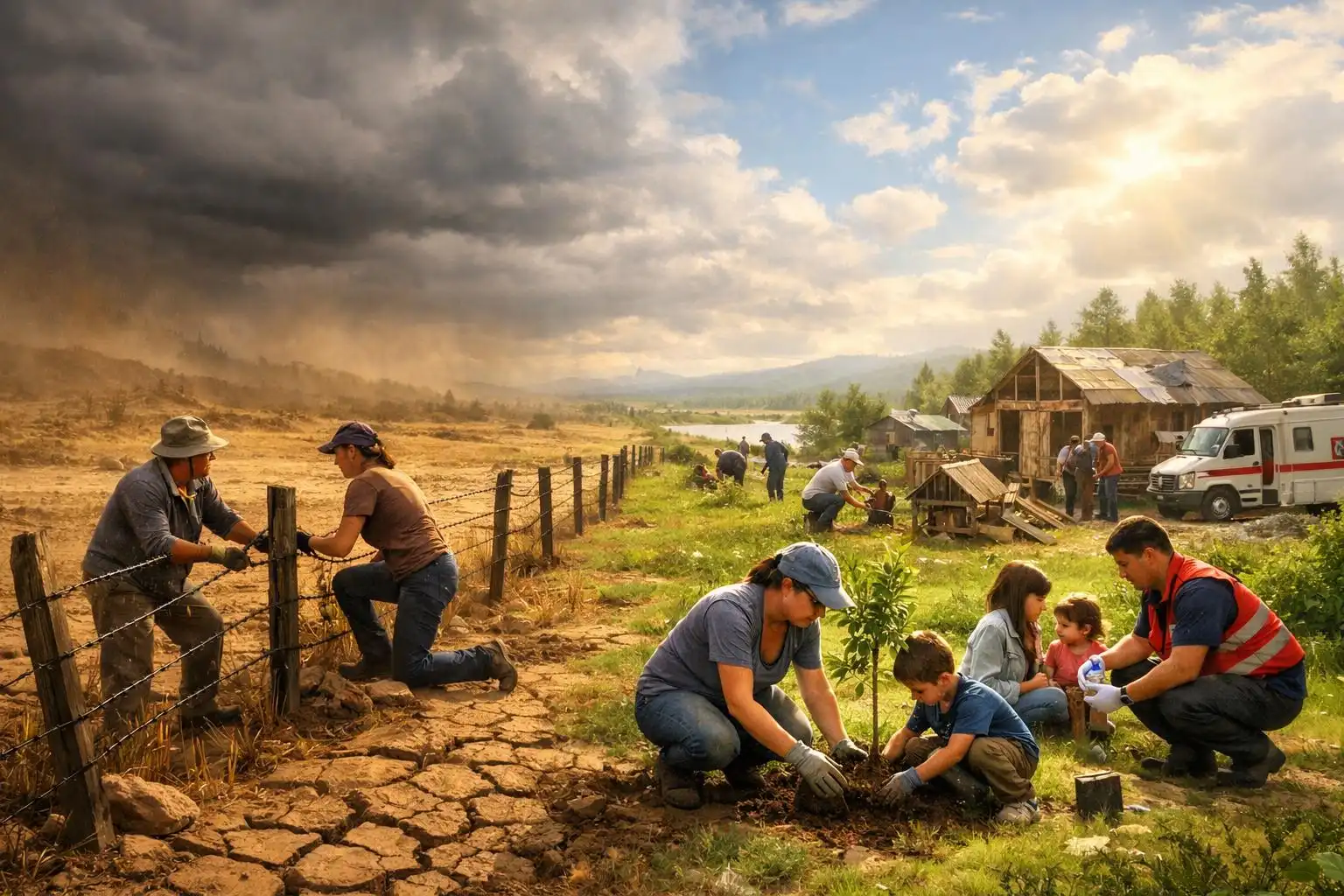
More than 61% of the Lower 48 states is now gripped by moderate to exceptional drought conditions, with the Southeast, Texas, and nearly all of the West feeling the effects. This is the most expansive spring drought since modern monitoring began in 2000[1]. Meteorological indicators like NOAA’s Palmer Drought Severity Index have soared to levels only rivaled by the Dust Bowl of the 1930s, while last month was the third-driest on record. The consequences are rippling through water supplies, energy infrastructure, and — critically — agricultural production. If the drought continues to sap yields across America’s heartland, there is real potential for global food price shocks, especially as a strong El Niño pattern disrupts agriculture worldwide.
The lack of winter snow in the mountains has depleted natural water reservoirs that sustain the West through summer. In places like Texas and the Southeast, it would take over a foot of rain in a single month just to return to normal — an event that is highly unlikely[1].
This dry backdrop is escalating wildfire risks to dangerous new heights. According to experts, the upcoming wildfire season could be worse than any in recent memory unless rain returns soon. Over the past decade, the annual acreage burned in U.S. wildfires has more than doubled compared to the 1980s[2]. The average financial toll: US$17.7 billion per year. Scientists are now studying how wildfires devour homes and communities to find better ways to shield neighborhoods, as population growth puts more people in harm’s way.
Endless Storms: Tornadoes, Hail, and Wind Tear Across the Plains
While the South and West bake and burn, the Plains and Midwest have been pounded by rounds of severe thunderstorms and tornadoes. In just one five-day stretch last week, nearly 1,300 severe weather reports flooded in nationwide, with 152 tornadoes, over 500 reports of hail, and more than 600 incidents of dangerous winds[3]. Areas of north Texas, Oklahoma, and Kansas are being hit repeatedly, testing the resilience of communities and first responders. Some of these places are the same ones hammered by destructive storms earlier in April, increasing the vulnerability of homes and infrastructure.
The severe weather pattern is showing little sign of relenting. Scattered strong storms — packing hail, damaging winds, and the threat of more tornadoes — continue to target the Plains from Texas to Minnesota, and the Midwest into this weekend. Recent tornadoes have reached EF3 intensity in Wisconsin, the strongest for April in 15 years, tearing homes apart and leaving behind legacies of recovery[5]. Meanwhile, record-setting rains have inundated places like Michigan, breaking monthly and seasonal precipitation records halfway through April.
Flooding Looms Where Drought and Storms Meet
If drought and fire aren’t enough, new research warns that more than 17 million Americans along the Atlantic and Gulf coasts are at the very highest flood risk, with cities from Houston to New York at risk of catastrophic inundation[4]. Another 17 million face a “high” risk. Many coastal communities are still recovering from recent hurricanes or nor’easters, and strained infrastructure and vulnerable populations amplify the danger.
What’s especially alarming is that, in some places, drought-hardened soils can worsen flash flooding when intense storms do finally arrive. And with the current weather pattern steering powerful storm systems into already-saturated or drought-affected areas, the risk of sudden, damaging floods increases — compounding the misery for millions.
The Human Toll and Safety Steps
Extreme weather isn’t just about atmospheric records or economic damage. Families in tornado-ravaged neighborhoods sift through debris, farmers worry about failed crops and shrinking water supplies, and entire towns brace for fire evacuations. For those living in at-risk regions, the watchwords now are vigilance and preparation.
Safety tips:
- Severe storms: Always have multiple ways to receive weather alerts (phones, radios), know your shelter location, and prepare an emergency kit.
- Wildfire zones: Create defensible space around your home, review evacuation plans, and sign up for local warning systems.
- Flood-prone areas: Keep crucial documents upstairs or sealed, avoid driving into floodwaters, and have a plan to move to higher ground.
Looking Ahead
This spring’s siege is a stark reminder that climate change, population growth, and natural weather cycles are combining to increase the scale and complexity of the risks America faces. Long-term solutions will require community adaptation, infrastructure investment, and a continued focus on both science and resilience. But for now, the best defense is preparation, compassion, and community solidarity — until calmer skies eventually return.
References
- Record US drought sparks worries about fires, water supply and food prices – AP News
- As the planet warms, scientists burn homes to figure out how to best protect them in wildfires – AP News
- Severe Weather, Tornado Threat, Returns To Plains, Including Texas, Oklahoma, Kansas Into This Weekend – The Weather Channel
- New study finds ‘alarming’ high flood risk for 17 million Americans on Atlantic and Gulf coasts – AP News
- Severe Weather, Including Threat Of Strong Tornadoes And Flooding Rain, Forecast Friday In Plains, Midwest – The Weather Channel

Leave a Reply to Fact-Check (via Claude claude-sonnet-4-5-20250929) Cancel reply