
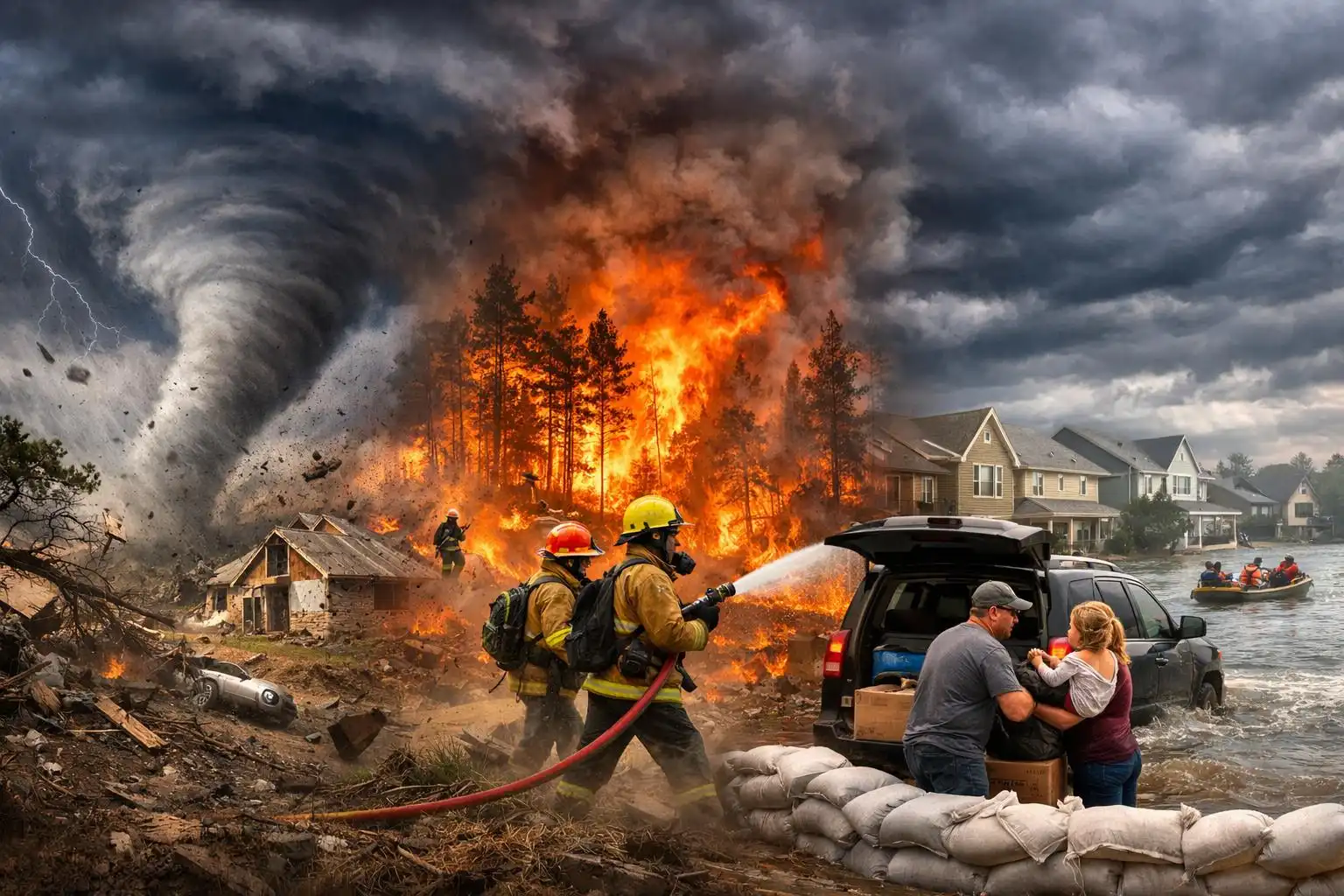
As April draws to a close, the U.S. is enduring a relentless barrage of extreme weather, with deadly tornadoes tearing through the southern Plains, wildfires torching the Southeast, and flood risks mounting along the nation’s coasts. Let’s break down this multifaceted crisis, examine the science behind it, and share safety strategies to help communities weather these storms.
Tornado Threats Roil the Plains
After a brief respite, severe weather has returned in force to the central U.S. This week features a nearly daily threat of strong storms capable of delivering large hail, damaging winds, and tornadoes from Texas to the Dakotas, especially focused on Texas, Oklahoma, and Kansas. The latest forecasts warn that these conditions will persist through the weekend, with scattered severe storms each day. Notably, last Friday alone saw 94 tornado reports amid over 500 severe weather incidents, capping a week with more than 1,300 severe weather reports nationwide — including 152 tornadoes[1].
Communities are already reeling. In Springtown, Texas, a tornado left at least two dead and destroyed multiple homes on Sunday. Scenes of uprooted trees, mangled power lines, and twisted debris underscore the human cost — neighbors comforting one another amid heartbreak and linemen scrambling to restore power[2]. The same areas hit just last week face renewed threats in the coming days.
Wildfire Crisis in the Southeast
While storms hammer the Plains, the Southeast grapples with a different kind of disaster: severe wildfires. A confluence of factors — especially extreme drought and abundant dry fuel left by Hurricane Helene’s floods last fall — has primed Georgia and neighboring states for unusually fierce fires, sometimes sparked by seemingly innocuous events like a spark from a welding operation or a transmission line hit by a stray balloon. Property losses in Georgia have already reached record levels; fire officials warn that even a single small ignition can quickly turn into a dangerous blaze. Tragically, a volunteer firefighter lost his life while battling these flames in northern Florida[3].
The persistent drought and forecasted gusty winds mean the threat will remain high through the weekend. Community preparedness — such as heeding evacuation notices and creating defensible space around homes — is essential.
Flooding Risks Along the Coasts
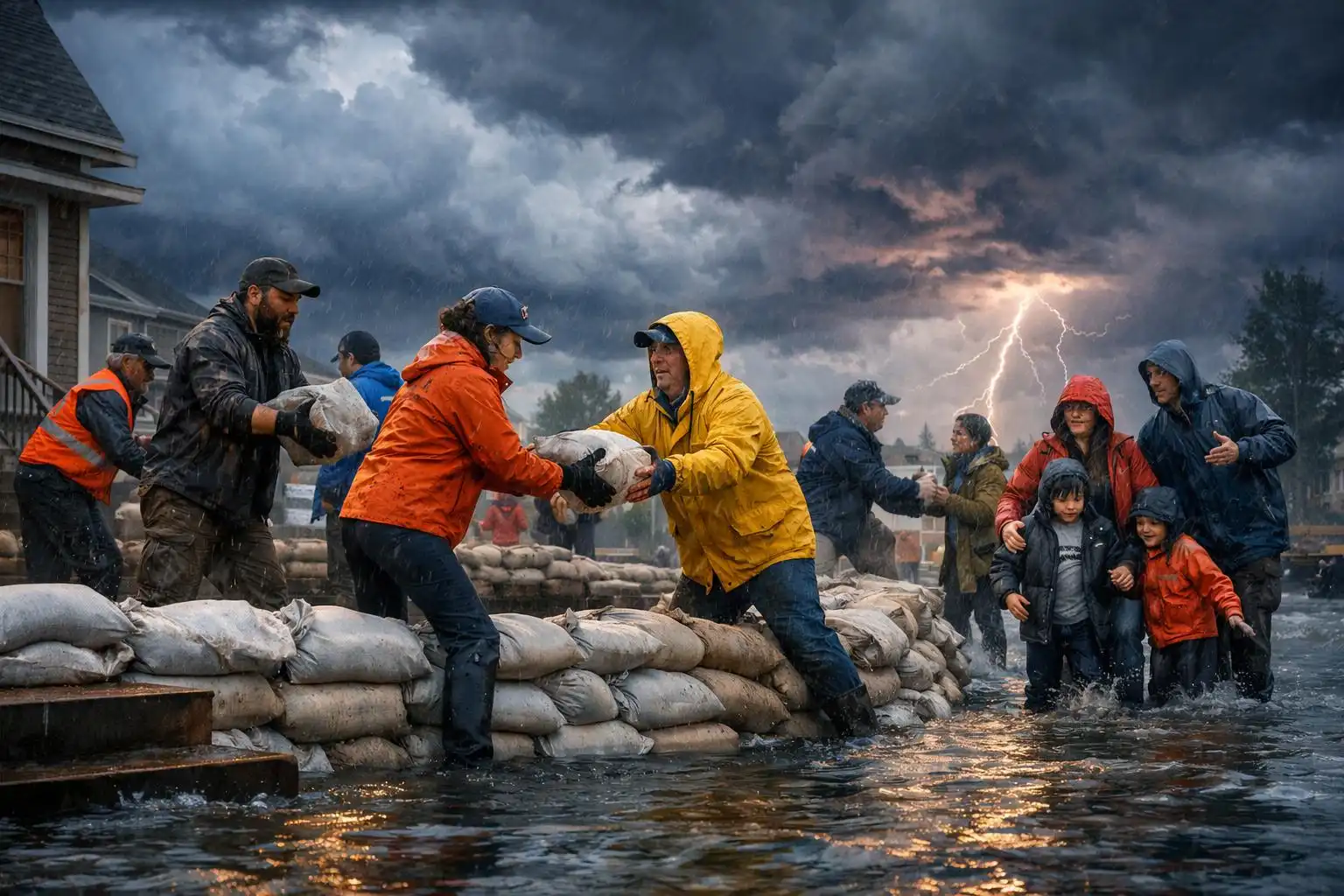
Meanwhile, a new nationwide study reveals an “alarming” flood risk for millions living along the Atlantic and Gulf coasts. The research finds that 17 million Americans face high or highest flood risk, with 4.3 million in the most extreme category. These findings serve as a fresh warning for flood insurance gaps and urban vulnerability, especially for cities like Houston and New York, both of which suffered catastrophic flooding in past hurricanes[5].
Extreme Weather: Layered and Compounding
What we’re witnessing is a striking example of compound weather risks. Extreme drought fuels wildfire in one region, while adjacent states face flood and storm. The same weather patterns that channel moisture northward to spark tornadic storms often leave other regions parched. And as one disaster unfolds, it complicates response and recovery for another.
Safety Tips for the Week Ahead
- Severe Storms & Tornadoes: Have multiple ways to receive weather alerts (phone apps, weather radio, local TV), especially if you live in recently affected areas. Identify the safest place in your home — a basement or small interior room on the lowest floor — and keep emergency supplies on hand.
- Wildfires: Maintain defensible space around homes, follow local fire bans, and prepare evacuation plans if you live in drought-stricken Southeast regions.
- Flooding: Review flood insurance coverage; know your evacuation routes if you live along major rivers or the coast.
Communities nationwide are being tested, and now more than ever, staying informed and prepared can save lives and property. This pattern of compound and unrelenting extreme weather is both a scientific challenge and a call to enhance our resilience.
References
- Severe Weather, Tornado Threat, Returns To Plains, Including Texas, Oklahoma, Kansas Into This Weekend – The Weather Channel
- Tornado in northern Texas leaves at least 2 dead and destroys multiple homes – AP News
- Wildfires abound in US Southeast, Georgia suffers record property losses – Reuters
- New study finds ‘alarming’ high flood risk for 17 million Americans on Atlantic and Gulf coasts – AP News

Leave a Reply to Fact-Check (via Claude claude-sonnet-4-5-20250929) Cancel reply