
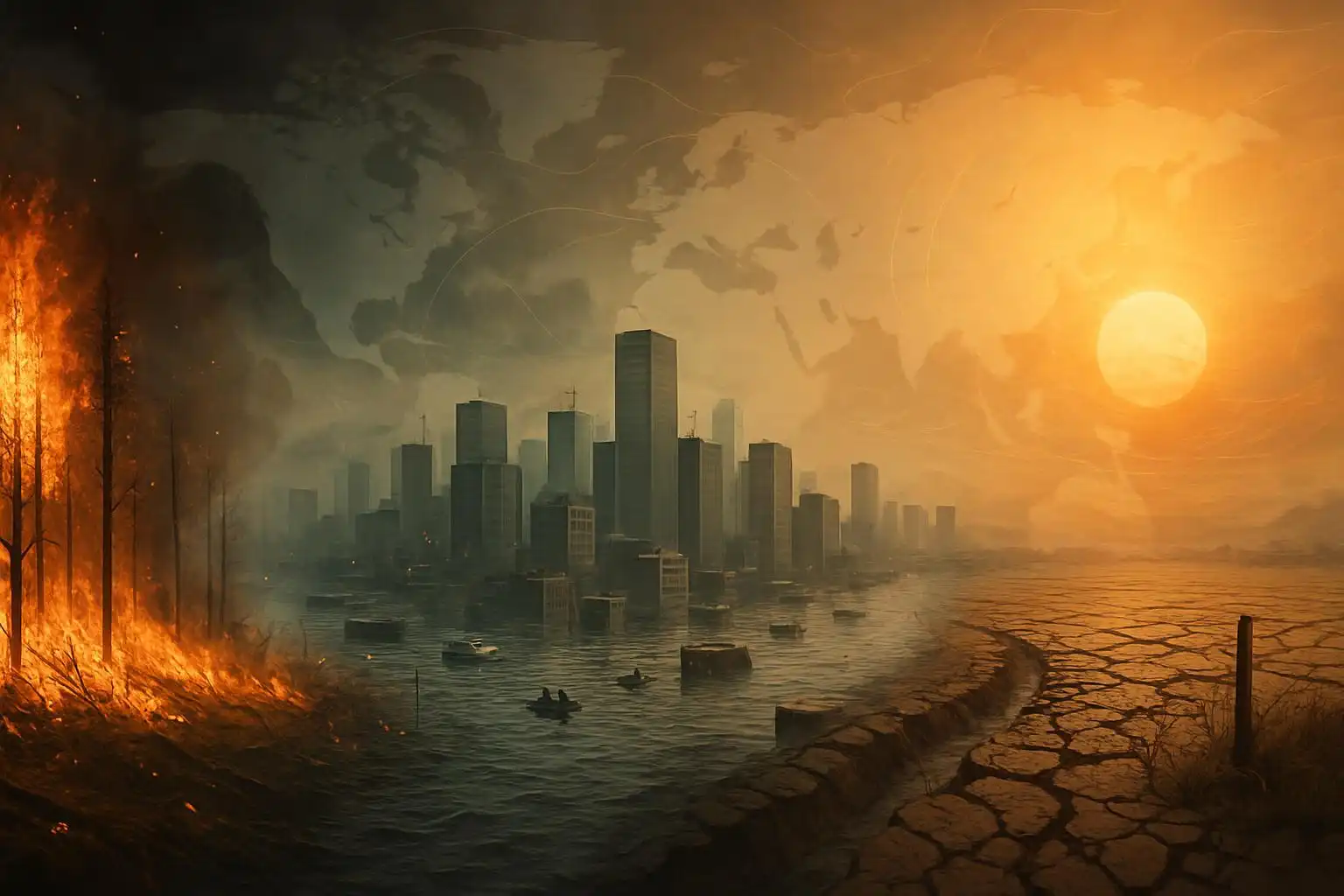
Extreme weather in 2026 is sending shockwaves through communities, economies, and global systems, with scientific indicators pointing to the brewing of a powerful “super El Niño” event. If forecasts hold true, the consequences could redefine what we understand as climate risk—pushing global temperatures close to, or even above, critical warming thresholds and supercharging weather extremes on every continent [1].
What Is a Super El Niño—and Why Now?
El Niño refers to a periodic warming of sea surface waters in the tropical Pacific Ocean. While El Niño events are a natural part of Earth’s climate system, their intensity and global impacts are highly variable. “Super El Niños”—like those in 1997-98 and 2015-16—are rare and tend to drive exceptional, often catastrophic, weather events worldwide. With the atmosphere already heated by human-caused climate change, the odds of a record-setting El Niño increase.
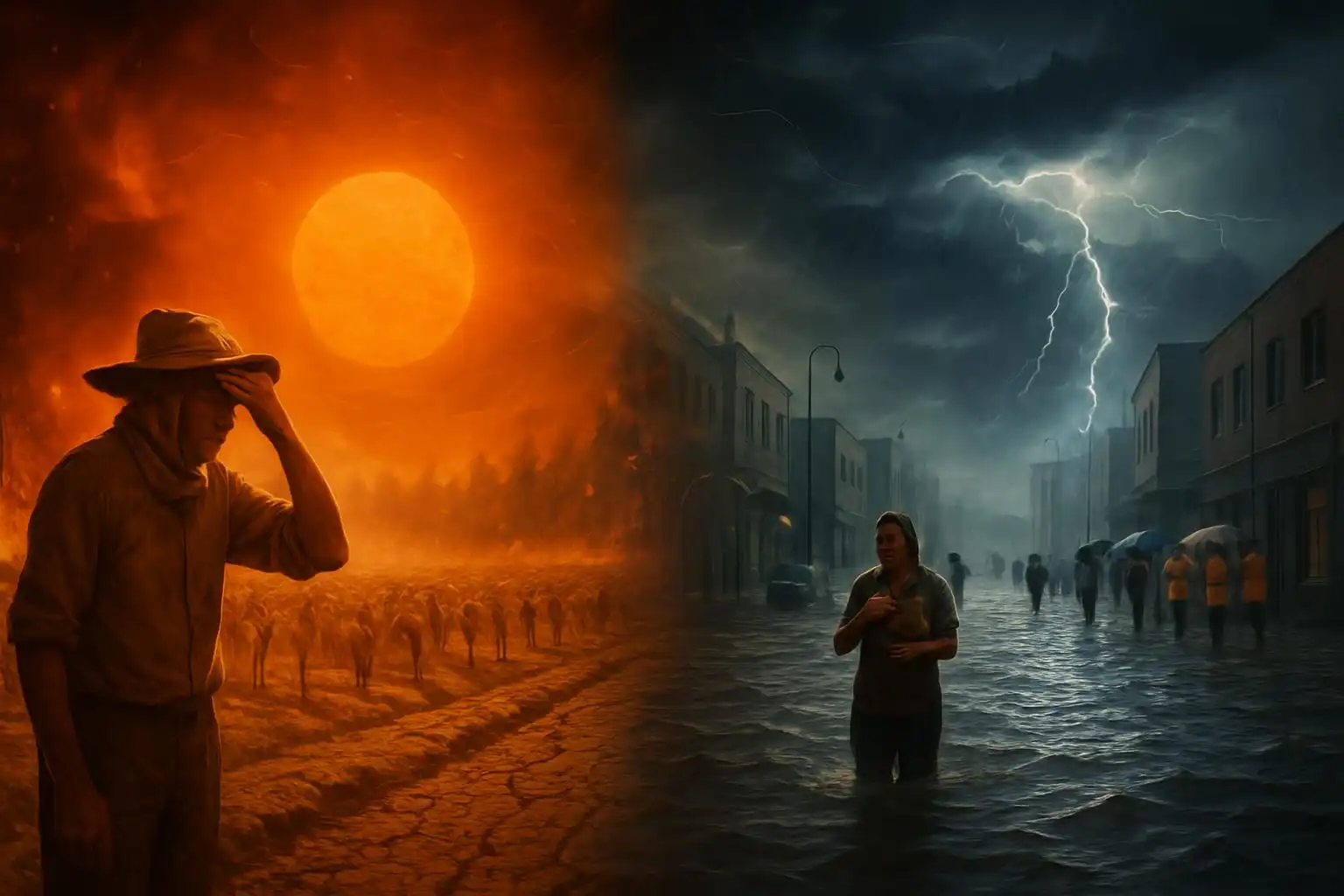
Scientists are warning that this year’s event could temporarily push Earth’s global average temperature 1.5°C or more above preindustrial levels—dangerously flirting with the threshold many experts see as the upper limit for manageable impacts [1]. Model projections suggest regional weather anomalies will intensify, resulting in a constellation of droughts, floods, wildfires, and hurricanes unlike anything we have seen in recent years.
Fire, Drought, and Heatwaves: The U.S. on the Brink
The U.S. is already feeling the heat—literally and figuratively. After a winter and early spring that were among the driest on record, much of the country’s southeast is now grappling with severe to “exceptional” drought. Florida, famed for its wetlands, is now in the throes of large, fast-spreading wildfires fueled by parched ground, low humidity, and relentless wind—a stark sign of how unusual weather patterns are reshaping risk, even in states known for their water resources [3].
Meanwhile, across the globe, India faces a heatwave with temperatures surging toward 45°C. Prolonged heat not only threatens health but also erodes food security, as yields of maize, wheat, and other staples drop sharply above certain temperature thresholds. The United Nations has warned of global food systems being pushed to the brink by a combination of searing heat and failing crops, with small-scale farmers, the elderly, and outdoor workers most exposed [4].
Floods and Coastal Risk: Millions in the Path
Ironically, while some regions burn and parch, others face the opposite extreme: flooding. A recent study found that 17 million Americans on the Atlantic and Gulf coasts are at high risk of flood disasters, with more than 4 million in the most extreme risk category. The human toll of these events is disproportionately borne by the poor, elderly, and other vulnerable groups, a lesson tragically reinforced in the aftermath of storms like Hurricane Harvey and Superstorm Sandy [5].
How Extreme Weather Now Disrupts Democracy
Weather chaos isn’t just a humanitarian or economic concern—it touches the foundations of governance. In 2024 alone, elections in 18 countries were directly disrupted by natural hazards from heatwaves to floods, affecting everything from the logistics of polling to voter turnout and safety. Safeguarding electoral processes now demands coordination between meteorologists, emergency managers, and democratic institutions [2].
What Can Be Done? Resilience and Preparedness
- Early warning systems are critical for both communities and food producers. Accurate forecasts and smartphone alerts can enable life-saving decisions, from relocating people to shifting work hours.
- Adaptive public policy—from moving election dates to accommodate seasonal hazards, to enforcing workplace safety during heatwaves—can mitigate disruption.
- Community support and compensation help buffer the most vulnerable from catastrophic losses, while investment in resilient infrastructure can blunt the impact of future extremes.
As a meteorologist, I’ve witnessed the growing cost of weather extremes, both in data and in people’s stories. The science is clear: climate-driven disasters are no longer rare events—they’re now the new normal. If 2026’s emerging patterns are a preview of what’s to come, we must act on every level to anticipate, prepare, and respond.
References
- What is a ‘super El Niño’ and what might it mean for the global climate? – The Guardian
- Heatwaves, floods and wildfires pose rising threat to democracy, report finds – The Guardian
- Wildfires in Florida after dry winter and spring lead to drought across US – The Guardian
- World food systems ‘pushed to the brink’ by extreme heat, UN warns – The Guardian
- New study finds ‘alarming’ high flood risk for 17 million Americans on Atlantic and Gulf coasts – AP News

Leave a Reply to Fact-Check (via Claude claude-sonnet-4-5-20250929) Cancel reply