

The costs of the six-month Iran war are converging in a single news cycle: Congress is again challenging President Donald Trump’s authority to continue it, energy disruptions are feeding anger far beyond the Middle East, and a fresh security scare in Saudi Arabia has raised the stakes around the region’s vital oil infrastructure.
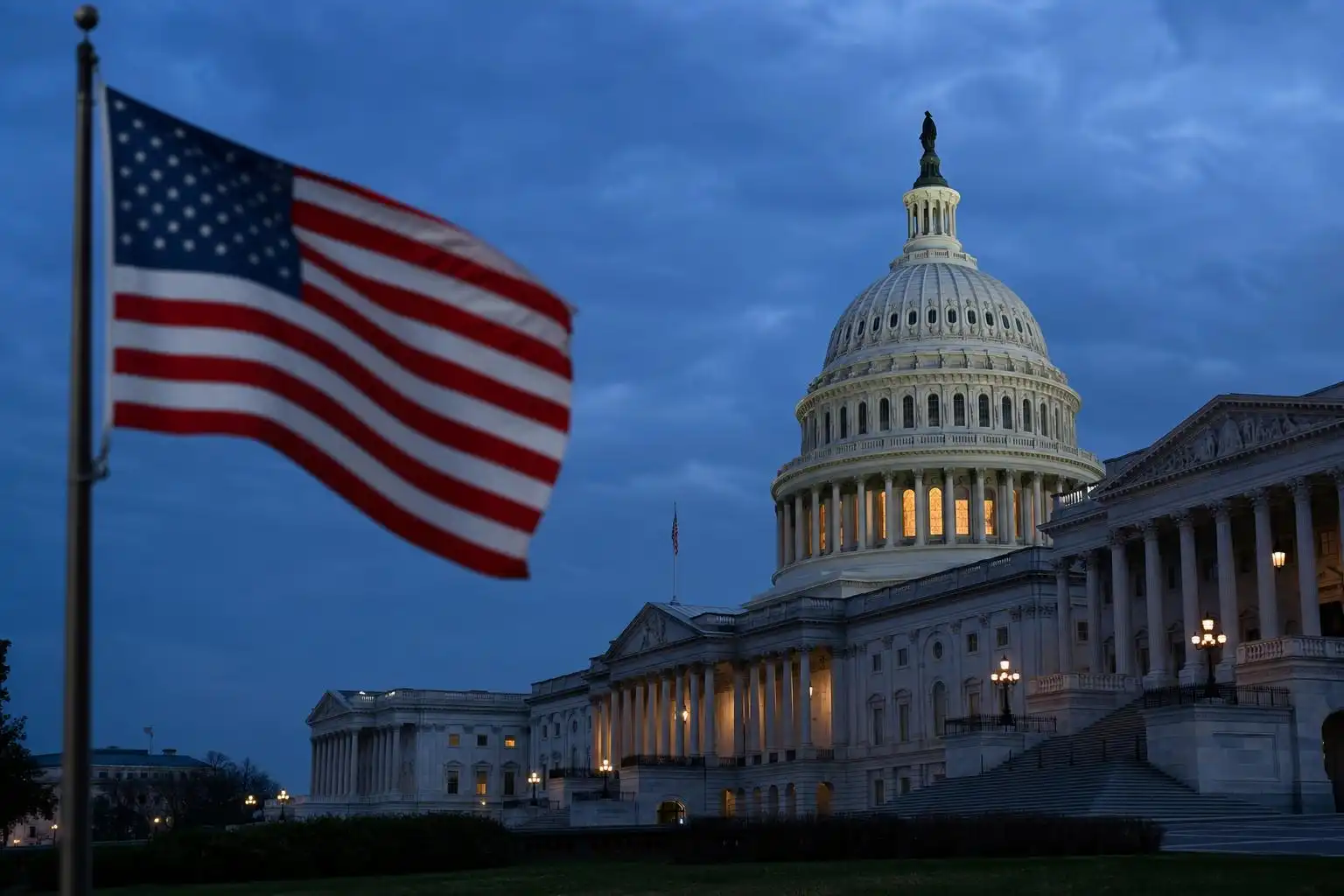
House approves new bid to limit military action
The U.S. House on Wednesday approved a war powers resolution intended to halt further U.S. military action against Iran without congressional authorization. Seven Republicans joined the effort, a notable break within the president’s party as lawmakers weigh the conflict’s human, military and economic costs.[3]
The vote is the House’s third approval of a measure seeking to constrain the war, according to reporting on the resolution. Supporters argue that Congress must reassert its constitutional role; opponents say ending or restricting operations would leave U.S. forces and regional partners exposed to continuing Iranian threats.[3]
A $38 billion bill—and a longer supply problem
A Congressional Budget Office assessment puts the direct cost of the war so far at $38 billion and projects an additional $3 billion per month if fighting continues. The CBO also estimates the conflict could add 0.5 percentage points to inflation in the first three months of 2027, largely through energy and related economic pressures.[6]
The more enduring concern may be military capacity. The report says replenishing depleted U.S. munitions inventories could take as long as five years, while a separate Pentagon inspector-general review cited production bottlenecks and aircraft losses. The Trump administration disputes the picture of dangerously strained stockpiles and maintains the campaign’s costs are justified.[6]
Saudi Arabia calls Mecca incident a red line
Saudi Arabia says it intercepted and destroyed a drone headed toward Mecca, describing an attempted attack on Islam’s holiest city as a “red line.” Yemen’s Houthi movement denied firing drones toward the city, and the episode has not been independently resolved in public reporting.[5]
The incident comes amid a broader Houthi campaign against Saudi infrastructure and Red Sea shipping. The Houthis also claimed, without evidence, to have downed an F-15 used by the Saudi-led coalition over Yemen’s Marib province; neither Saudi authorities nor coalition spokespeople immediately confirmed the claim.[5]
Oil disruption spreads from Hormuz to the Red Sea
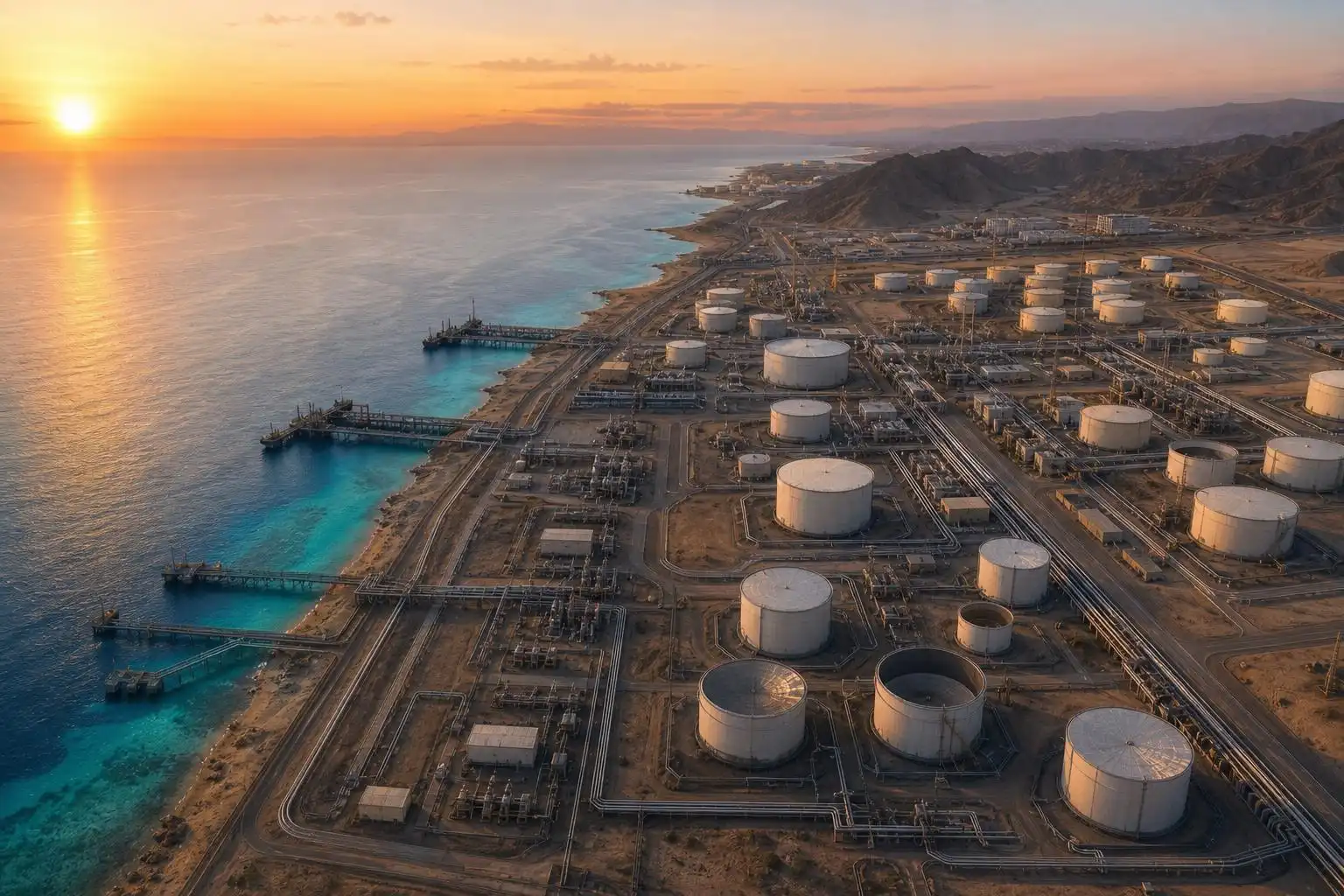
Saudi Arabia has paused oil loadings at Yanbu after recent drone attacks, while its East-West pipeline has been shut down for weeks, according to reporting from the region. U.S. Energy Secretary Chris Wright said he expected the pipeline to resume operations within days, but that outlook remains dependent on security conditions.[8]
Iran’s continuing pressure on shipping through the Strait of Hormuz, combined with risks to Saudi facilities and Red Sea routes, has kept oil above $100 a barrel. Rising fuel prices and shortages are now driving demonstrations, transit strikes and blackouts in countries including Indonesia, Guatemala and Syria—an illustration of how a regional war is reaching household budgets around the world.[2]
Beijing becomes a pivotal diplomatic stop
Iranian Foreign Minister Abbas Araghchi is in China for talks with Foreign Minister Wang Yi, as Beijing presents itself as a possible mediator. China is Iran’s largest oil customer, giving it a direct economic interest in restoring safer shipping through Hormuz as well as diplomatic leverage with Tehran.[8]
For Washington, the House vote does not by itself end the conflict. But paired with new evidence of inflationary pressure, weapons-production strain and escalating attacks on Saudi territory, it sharpens the political question confronting the White House: whether a military strategy intended to contain Iran is instead widening the economic and security crisis around it.
References
- The New York Times in Print for Wednesday, Sep. 16, 2026 — https://www.nytimes.com/issue/todayspaper/2026/09/16/todays-new-york-times
- US House votes to end Iran war, 7 Republicans join in favour — https://www.aljazeera.com/news/2026/9/16/us-house-votes-to-end-iran-war-7-republicans-join-in-favour
- Saudi Arabia calls an attempted Mecca attack a ‘red line’ — https://www.npr.org/2026/09/16/g-s1-143554/saudi-arabia-calls-an-attempted-mecca-attack-a-red-line-as-houthis-deny-they-did-it
- Iran war increasing inflation, straining US munitions: congressional report — https://www.aljazeera.com/news/2026/9/16/iran-war-increasing-inflation-straining-us-munitions-congressional-report
- Iran war live: Saudi coalition intercepts, destroys drone — https://www.aljazeera.com/news/liveblog/2026/9/16/iran-war-live-irans-top-diplomat-heads-to-china-as-war-drags-on


Leave a Reply