
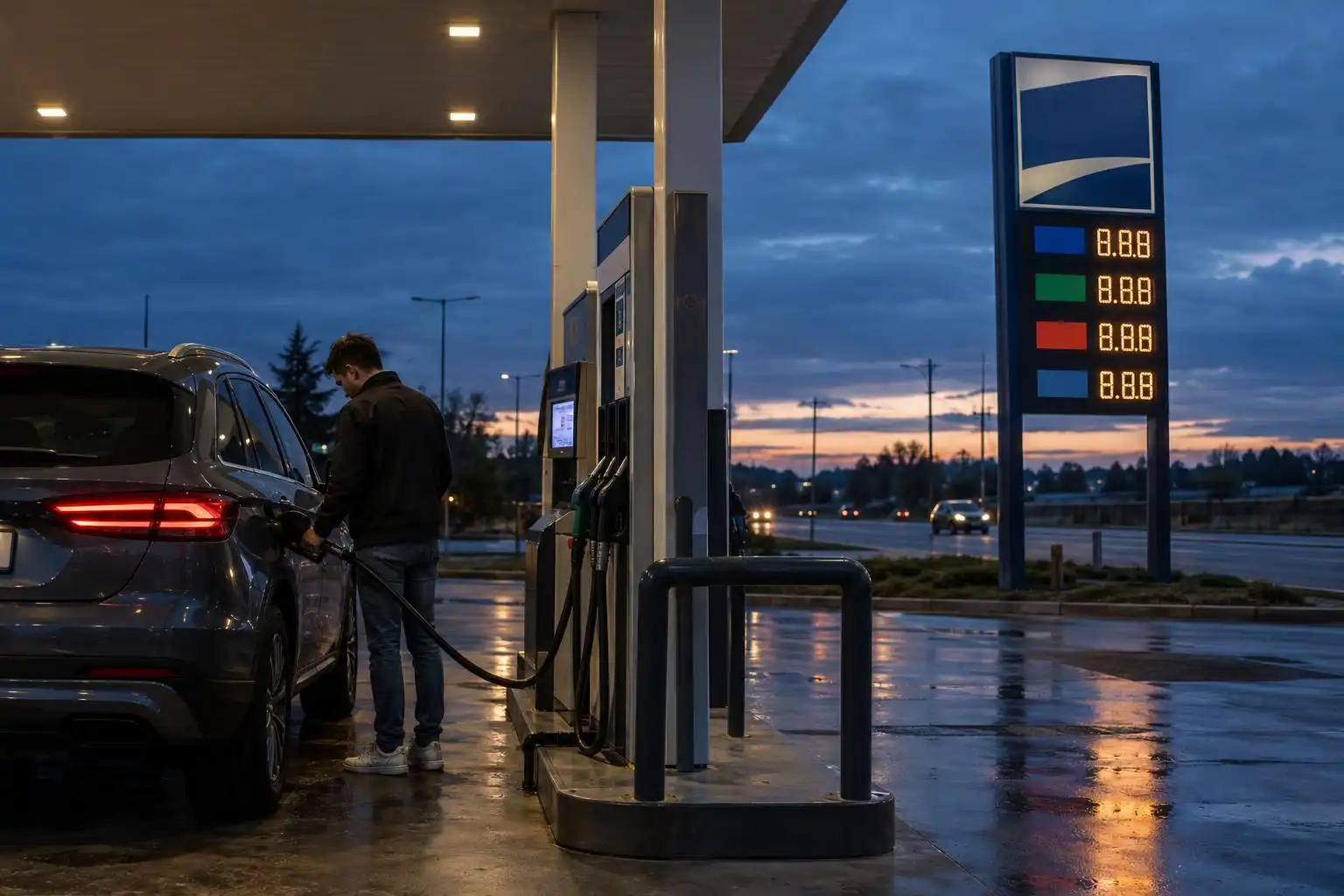

A promising diplomatic headline can move oil prices in minutes. Drivers looking at a gas-station sign may wait much longer to see a change. That gap is not, by itself, evidence that the headline was meaningless or that retailers are ignoring it. The price of crude oil is only one part of what drivers pay, and it takes time for a shift in wholesale markets to reach the pump.
Oil markets price expectations first
Traders do not wait for a disruption to end before responding to signs that it might end. If a threat to oil production or a shipping route appears to ease, prices can fall as markets reassess the risk of a future shortage. The reverse is also true: a threat can raise prices before any barrels are lost.
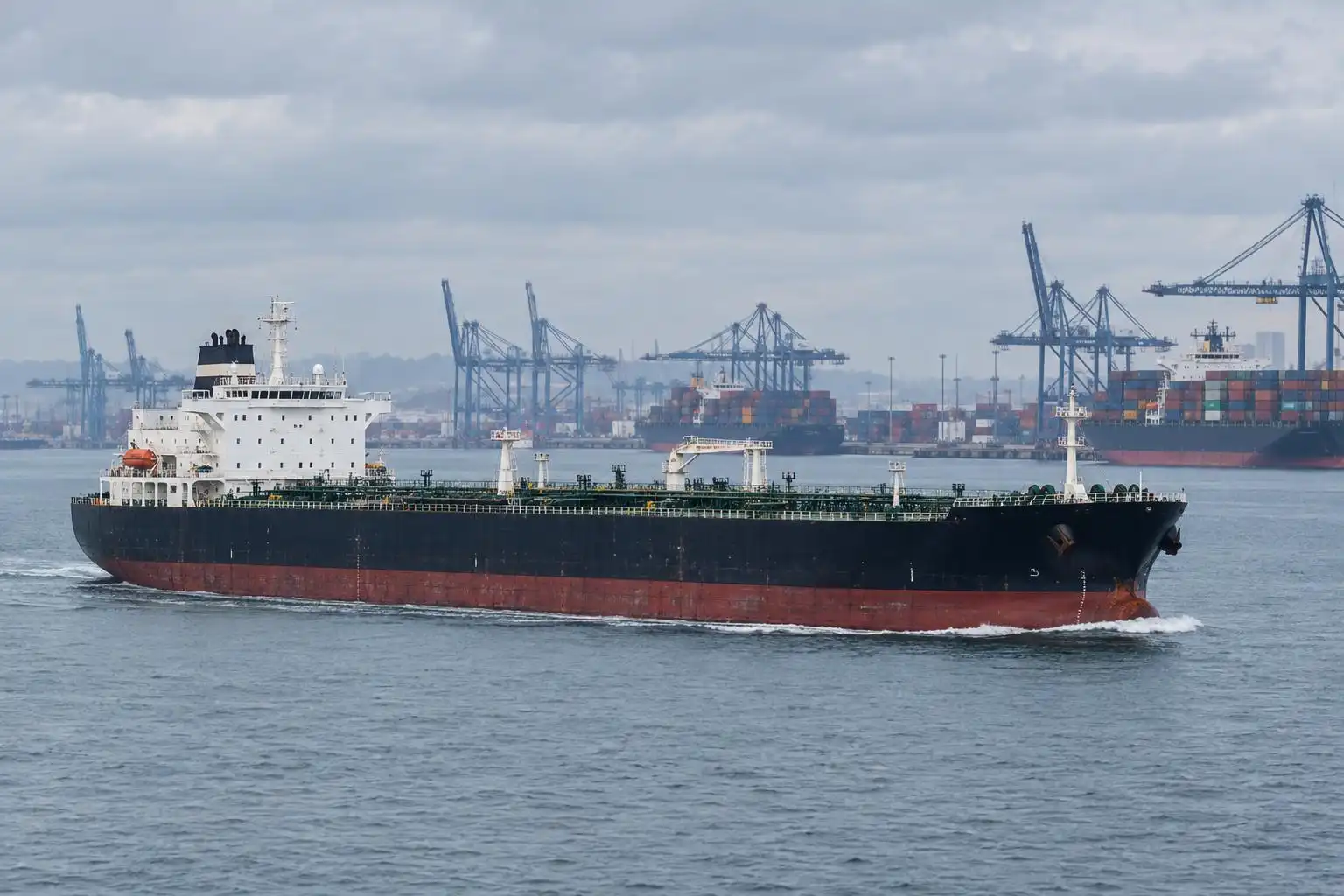
That makes an initial move useful, but not conclusive. A ceasefire proposal, for example, could change expectations without changing conditions at sea. Whether ships can travel safely, insurers are willing to cover them and exporters can deliver their cargoes matters more to the lasting cost of supply than a single day’s trading.
A barrel of crude is not a gallon of gasoline
Crude oil is usually the largest component of the retail gasoline price, but it is not the whole bill. Refineries turn crude into fuel; distributors move it; stations sell it. Taxes add another component. Each has costs and a different timetable for adjusting prices.
Refineries and sellers also work with fuel bought at earlier prices. As cheaper crude moves through the system, wholesale gasoline prices may change before station signs do. The size and speed of the retail change depend on local competition, inventories and demand, as well as the original move in crude.
Shipping risk can outlast the headline
For an oil importer, the cost of getting a cargo delivered matters alongside the price of the oil itself. Conflict near a major shipping route can affect insurance, freight charges and decisions about whether to sail, delay or take a longer route. Those costs do not necessarily disappear when negotiations begin.
This is why a durable easing of energy pressure calls for more evidence than a diplomatic announcement. Repeated, uneventful voyages and more predictable shipping costs would offer a stronger sign that risk is receding. Even then, a rebound in shipping would not guarantee an immediate fall in every country’s fuel prices.
Diesel reaches well beyond the pump
Gasoline gets the most attention from drivers, but diesel is an important cost for moving goods and running equipment. When diesel is expensive, businesses may face higher transport bills. How much of that cost reaches shoppers depends on contracts, competition and whether the increase lasts.
The same caution applies when energy prices fall. A lower diesel price can relieve pressure without instantly reversing prices already set for goods or services. Energy is one input among many, not a switch that turns inflation on or off.
What to watch after the first price move
The clearest picture comes from comparing several signals over time:
- Crude and wholesale fuel prices: Are declines sustained rather than limited to one trading session?
- Shipping conditions: Are cargoes moving routinely, without unusual delays or persistent risk costs?
- Retail prices: Are changes reaching stations across regions, rather than appearing in a few isolated markets?
A lower oil price may be the first sign that markets see less danger. For households, the more meaningful test is whether that improvement survives long enough to move through shipping, refining and distribution—and finally shows up in the price they pay.


Leave a Reply