
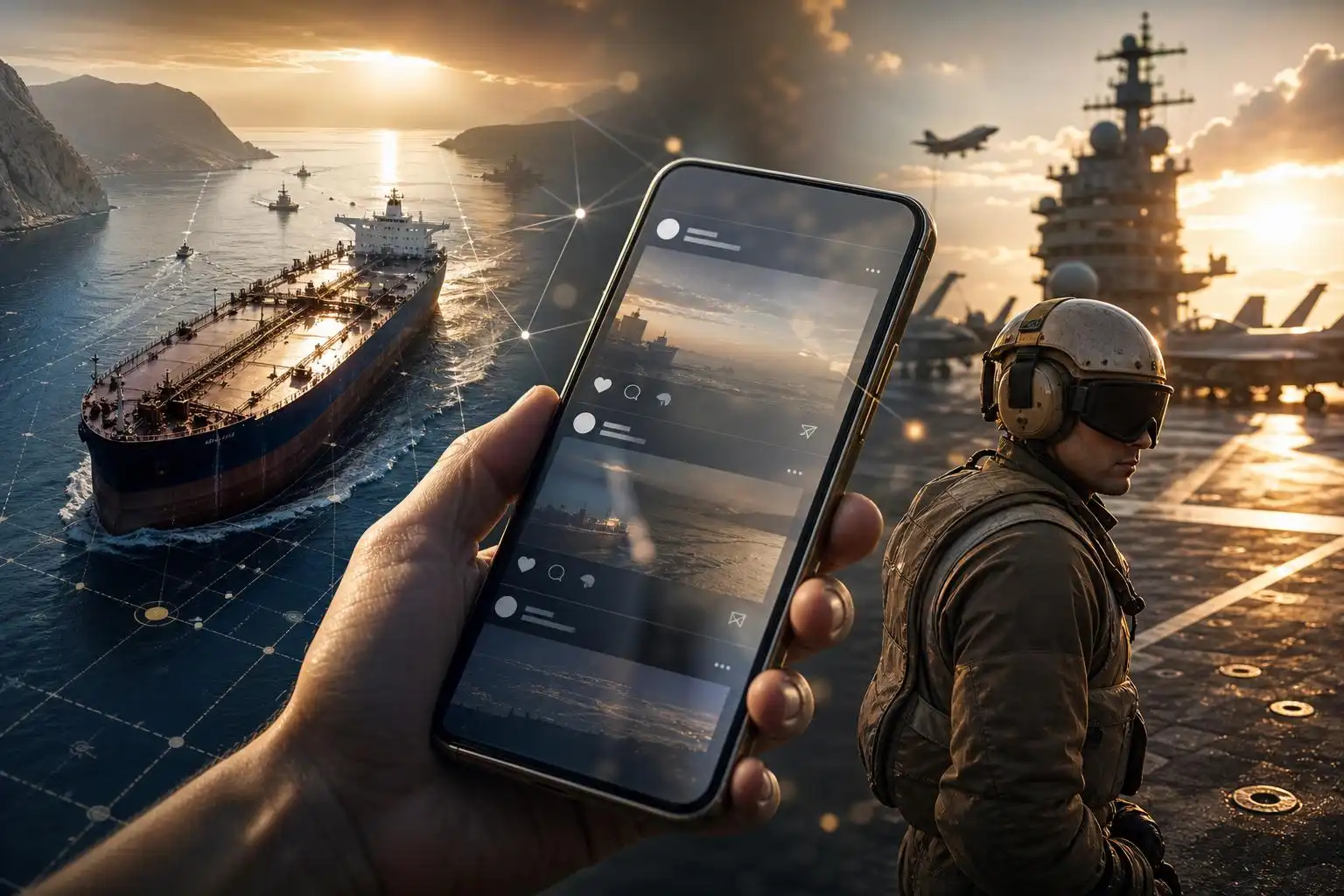

A war that the White House can’t quite shake continues to shape U.S. politics, markets and security planning, even as a fresh legal fight erupts over paid early access to the president’s social posts and Asia rehearses for crisis.
• Pay-for-access controversy and political recalibration: Trump Media is facing a lawsuit seeking to ban charging for early access to the president’s posts on U.S. policy, even as reporting shows companies have been paying steep fees for priority access to Truth Social content.[1][7] With three months to go before the election, Trump is preparing a reset: a new chief spokesman after Press Secretary Karoline Leavitt’s departure and a Sept. 9–10 Dallas convention to refocus voters on the economy.[2]
• Iran’s leverage via Hormuz, and high-risk presidential travel: Tehran’s ability to keep disrupting traffic through the Strait of Hormuz gives it continuing leverage over fuel prices and the U.S. economy.[2] The security overhang is personal, too: the president’s secret plane swap after the NATO summit—reportedly involving a decoy flight and even a catering-truck ruse—underscored the ongoing threat environment tied to Iran.[6][3]
• Hormuz today: conflicting claims, live enforcement: Trump has claimed the strait is open and says he’ll seek compensation from Tehran, while U.S. Central Command recently said a Navy helicopter fired missiles to disable a ship breaking the Iran blockade—an illustration of how fraught “open” remains on the water.[3][6] Oman has called talks “positive,” but Iran has warned any deal would not fully reopen the chokepoint.[6]
• Strain at sea: Conditions aboard the USS Abraham Lincoln—more than eight months continuously deployed—have sparked alarm over food, plumbing and morale, drawing scrutiny to the human cost of extended operations.[6][5]
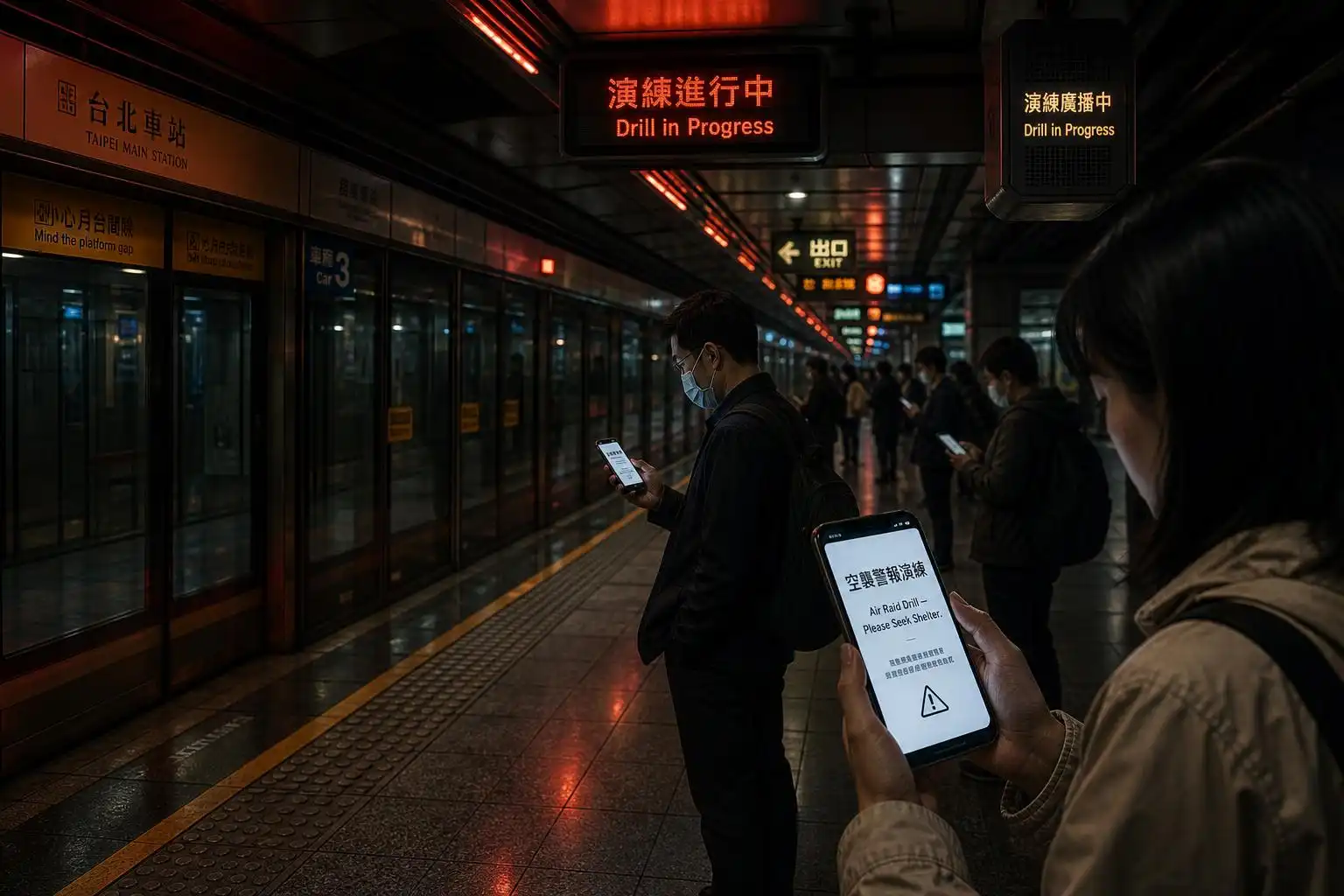
• Asia drills and travel shifts: Taiwan throttled mobile internet to text-only speeds in a civil defense exercise, a signal of how communications could be managed in a crisis.[1] Meanwhile, South Korea’s Incheon overtook Heathrow as the world’s busiest airport, with diversions from the Middle East conflict contributing to the surge.[4]
• Tech and platforms under the microscope: Google unveiled new Pixel phones emphasizing slimmer camera modules and expanded AI features, keeping the pressure on rivals in the premium handset race.[1] Twitch users erupted over an opt‑out setting that allows Amazon to train AI on their content by default, intensifying debates over data rights and creator compensation.[4] In the courts, jury selection has begun in the federal case testing whether Meta harmed youth users—another flashpoint for platform accountability.[1] And in cyber policy, the administration’s move to green‑light U.S. firms to more aggressively target cybercriminals has invited both applause and concern about escalation and oversight.[5]
• Economy watch: U.S. inflation eased to 3.4% in July as food and fuel cooled—welcome relief that could still be fragile if Hormuz disruptions flare again.[4][2]
• Beyond the Gulf: Russia freed American Robert Gilman for humanitarian reasons, with U.S. officials saying Moscow sought no concessions—an unusual bright spot in relations strained by the Ukraine war.[2] Farther north, the West is growing wary as China and Russia deepen cooperation along Arctic routes; Washington is expanding its icebreaker fleet and NATO and EU leaders warn of strategic risks tied to shipping and supply chains.[8]
• Health and policy flashpoints: The WHO chief warns Congo’s Ebola outbreak could surpass the worst on record without aggressive containment, a reminder that global health risks persist alongside geopolitical ones.[1] At home, Trump’s vaccine executive order is energizing supporters while giving Democrats a new line of attack in the fall campaign.[1]
What’s next: Democrats gather Aug. 13–15 in Austin, and Republicans look to Dallas on Sept. 9–10 in a bid to turn the page to the economy. But as long as tankers thread a contested Hormuz and U.S. sailors grind through extended deployments, the war’s shadow is likely to keep intruding on the campaign trail.[2]
References
- Associated Press News: Breaking News, Latest Headlines and … — https://apnews.com
- Trump reckons with a war that won’t leave him alone — https://www.reuters.com/world/us/trump-reckons-with-war-that-wont-leave-him-alone-2026-08-13
- Breaking News, World News and Video from Al Jazeera — https://www.aljazeera.com
- BBC Business | Economy, Tech, AI, Work, Personal Finance, Market news — https://www.bbc.com/business
- Concerns Grow Over Conditions on Aircraft Carrier, and Trump Pushes New Hacking Effort — https://www.nytimes.com/2026/08/14/podcasts/the-headlines/aircraft-carrier-trump-hacking-effort.html
- Iran — https://www.bbc.com/news/topics/cjnwl8q4ggwt
- Technology | Latest News & Updates — https://www.bbc.co.uk/news/technology
- How the Northern Sea Route is bringing China and Russia … — https://www.cnn.com/2026/08/14/china/china-arctic-northern-sea-route-russia-intl-hnk-vis-dst


Leave a Reply