


A seven-day proposal involving Iran has put a familiar question back at the center of the news: does a diplomatic opening change what happens on the ground? Recent coverage has also tracked the war’s pressure on energy prices and a dispute over White House press access. As September ends, those stories remain worth following—but a proposal is not an agreement, a price move is not a lasting trend, and a court order is not necessarily the end of a legal fight.
Iran: Look for commitments, not just a timetable
The first test of any seven-day plan is what the parties would actually do during those seven days. A meaningful pause would need terms that can be understood and checked: which operations stop, when the pause begins, how violations are handled and who communicates with whom if it falters.
Watch, too, for the difference between a public offer and mutual acceptance. Statements from one side may signal an opening without establishing that the other has agreed. Until the terms and responses are clear, the careful description is that a proposal exists—not that a ceasefire has taken hold.
Oil: Separate the daily price from the underlying risk
The Iran conflict has made shipping and energy supply a recurring concern. Markets can react quickly to a diplomatic signal or a warning about disruption, but a day’s movement in crude does not tell households when their fuel bills will change. Refining, transport and local conditions also shape what drivers pay.
The more useful questions are whether ships can move reliably, whether supply is being interrupted and whether any diplomatic arrangement lowers the chance of another shock. That distinction matters: prices may ease on optimism even while the operational risks remain unresolved.
Press access: Follow what the ruling requires
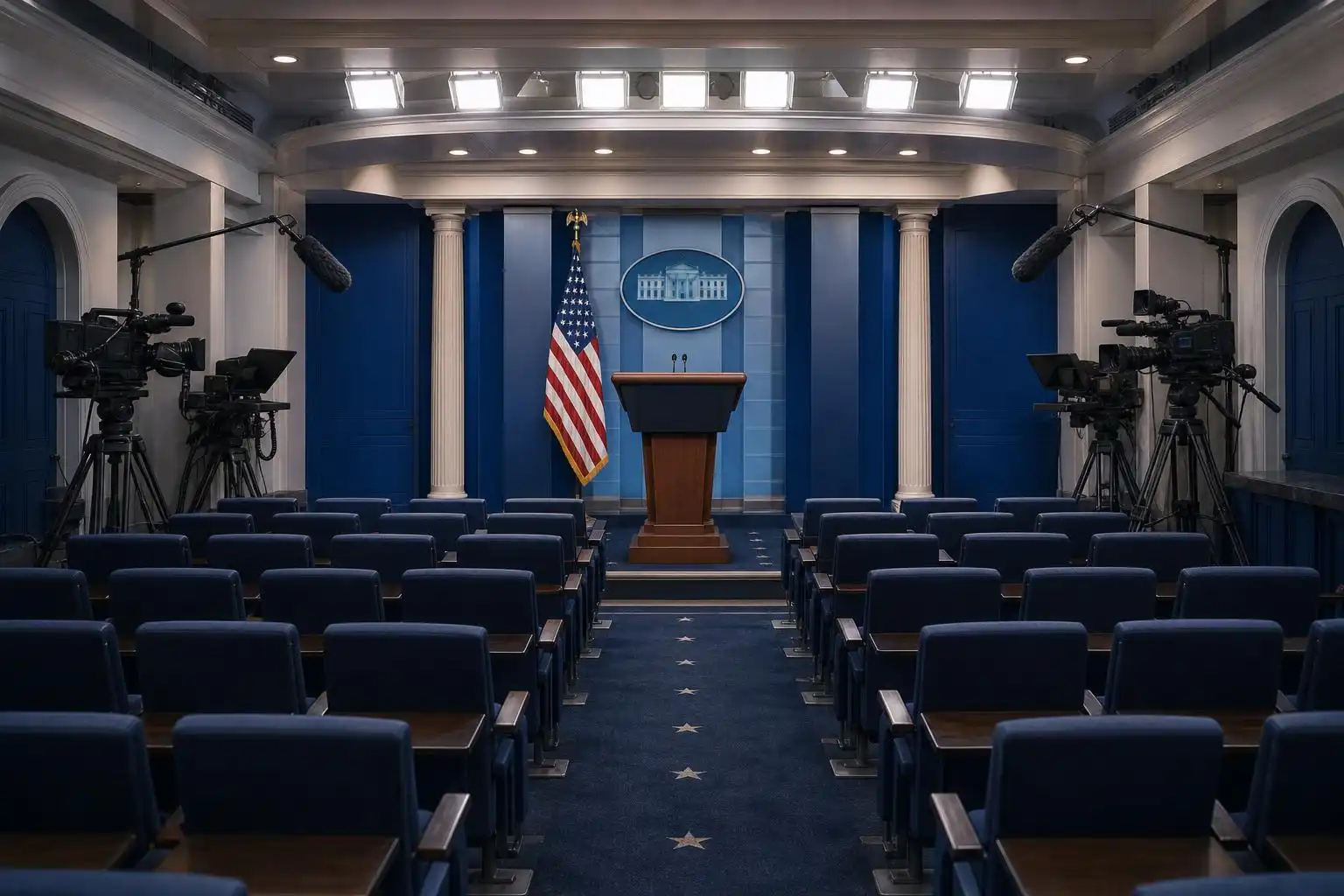
The White House press-access dispute raises a different kind of accountability question. If a court orders a change in access, the immediate story is not simply who won a headline. It is what the order requires, when it takes effect and whether further appeals or proceedings could alter it.
Access rules determine which journalists can observe officials directly and ask questions on behalf of the public. Coverage should make room for the legal details while keeping that practical consequence in view.
The next update should answer something concrete
These stories share a trap: treating an announcement as an outcome. For Iran, the next meaningful update would show whether the sides accept verifiable terms. For energy, it would show whether supply risks actually recede. For press access, it would show how a court’s instructions are carried out.
Those are the markers to watch as new reporting comes in. Until then, the strongest brief is one that distinguishes what has been proposed, what has been ordered and what has demonstrably changed.


Leave a Reply