

A diplomatic proposal can sound like a breakthrough long before anyone agrees to it. An oil-price dip can look like relief while fuel costs remain high. And an official account of a fast-moving conflict can be difficult to assess when reporters cannot independently check what happened. Those distinctions matter as readers follow the Iran war and its effects beyond the battlefield.
This is a guide to the next developments worth watching, not a claim that a new agreement or escalation has occurred. Without a verified update for today, the useful question is what evidence would change the story.

A proposal is not yet a pause in fighting
The first test for any diplomatic headline is whether the parties have accepted the same terms. A proposal may specify a timetable, but an agreement also needs a clear start time, a definition of prohibited actions and a way to handle alleged violations. Without those details, rival officials can describe the same document in sharply different ways.
Watch what happens after an announcement, too. Do strikes stop? Do ships change course? Can aid reach people who need it? Statements from negotiators are important, but observable changes—and independent reporting on them—offer a stronger measure of whether a pause is taking hold.
Shipping tells a story that speeches cannot
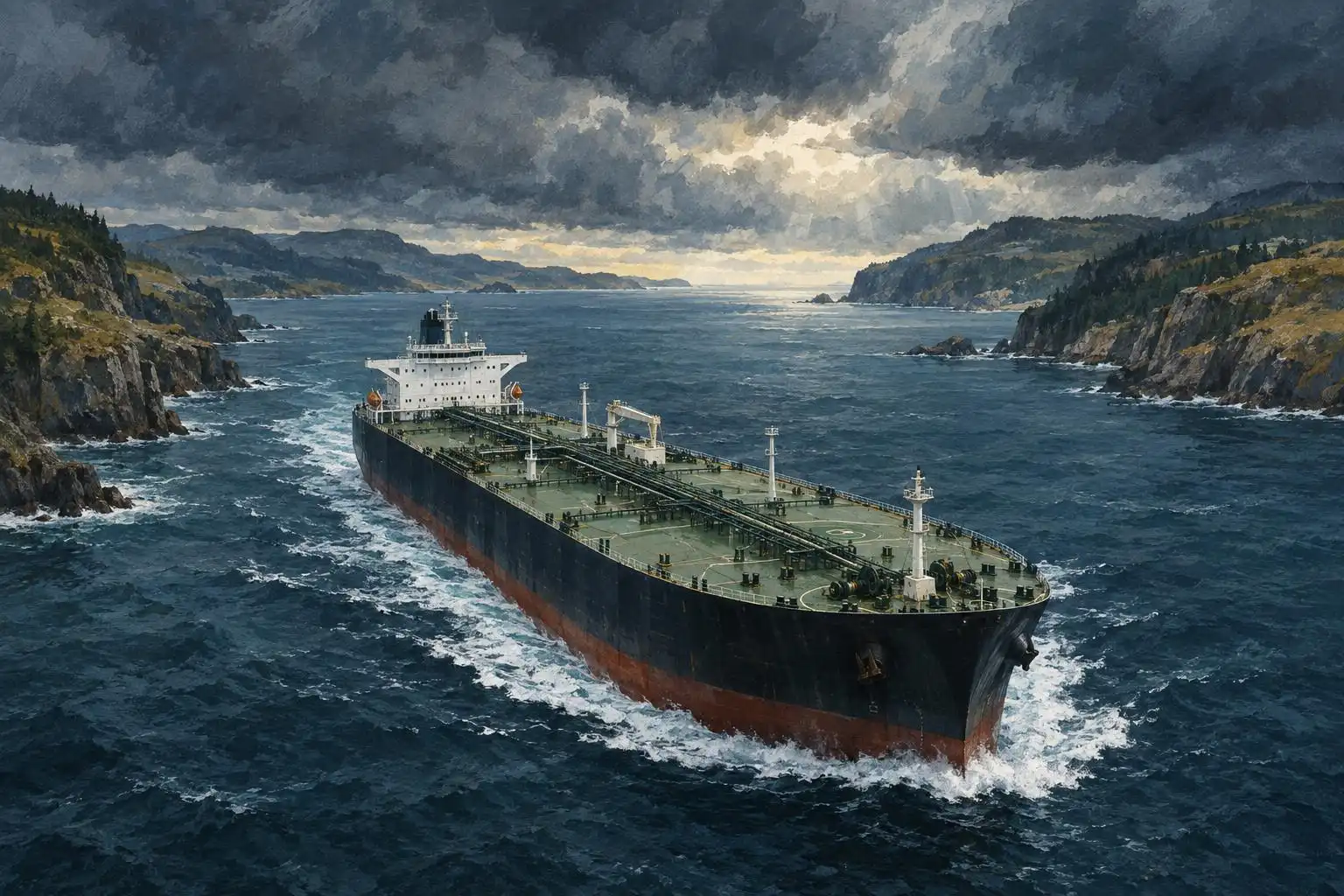
The Strait of Hormuz matters because disruption to a major energy route can affect prices far from the fighting. But a declaration that a route is open does not mean traffic has returned to normal. Shipowners and insurers make their own judgments about risk, and vessels may take time to resume a passage even after a threat appears to ease.
The clearest signs of improvement would be sustained commercial transits and fewer reported security incidents, rather than a single successful crossing. Reports of a new attack would point the other way. In either case, it is worth separating a government’s description of maritime conditions from what shipping operators are actually doing.
Oil prices and household costs move on different clocks
Crude prices can respond quickly to a threat or a diplomatic opening. The price at a local pump may respond more slowly, shaped by refining, distribution and existing inventories. That lag is why a market headline should not be mistaken for an immediate change in household budgets.
Diesel deserves particular attention. It is a cost for moving goods, so a sustained increase can put pressure on businesses even when consumers focus mainly on gasoline. The question is not simply whether oil rises or falls on one day; it is whether elevated transport costs persist long enough to filter through the economy.
Access determines what the public can verify
In wartime, access to officials, affected communities and physical evidence shapes the public record. Restrictions on journalists do not automatically make every official claim false. They do make independent corroboration harder, especially when accounts of casualties, military activity or negotiations conflict.
A strong report should distinguish what a government says from what a reporter has witnessed or confirmed through other evidence. It should also say when a claim cannot yet be verified. That transparency is not a footnote to the Iran story: it helps readers judge the reliability of every purported turning point.
What would change the picture
The next genuinely consequential headline would be backed by more than an optimistic statement: mutually acknowledged terms, a measurable reduction in hostilities and a sustained improvement in shipping conditions. Until then, treat diplomatic language, market moves and battlefield claims as related signals—not interchangeable proof that the crisis has ended.


Leave a Reply