

A new diplomatic announcement about Iran could move markets within minutes. It would take longer to establish whether the risk facing ships, crews and energy supplies had actually fallen. That distinction matters: a proposal can change expectations, but it cannot by itself make a voyage safe.
The clearest way to judge a potential breakthrough is to follow what happens after the statement. Are attacks stopping? Can vessels pass without extraordinary precautions? And do the parties agree on what the pause requires?
A proposal is not a ceasefire
A timetable for talks is useful only if the parties accept it and specify what happens while they negotiate. A meaningful pause would need a start time, a defined scope and a way to address alleged violations. Without those details, one side may describe an incident as a breach while the other insists its actions were never covered.
The wording also matters beyond the negotiating table. Shipping companies and their insurers must make practical decisions about vessels already at sea. If a deal leaves unclear whether commercial traffic is protected, an optimistic announcement may do little to change those decisions.
Watch voyages, not just statements
The Strait of Hormuz is a vital route for oil and other cargo. A few successful crossings would be encouraging, but they would not necessarily show that ordinary traffic has resumed. Ships may still be delayed, rerouted or operating under costly security arrangements.
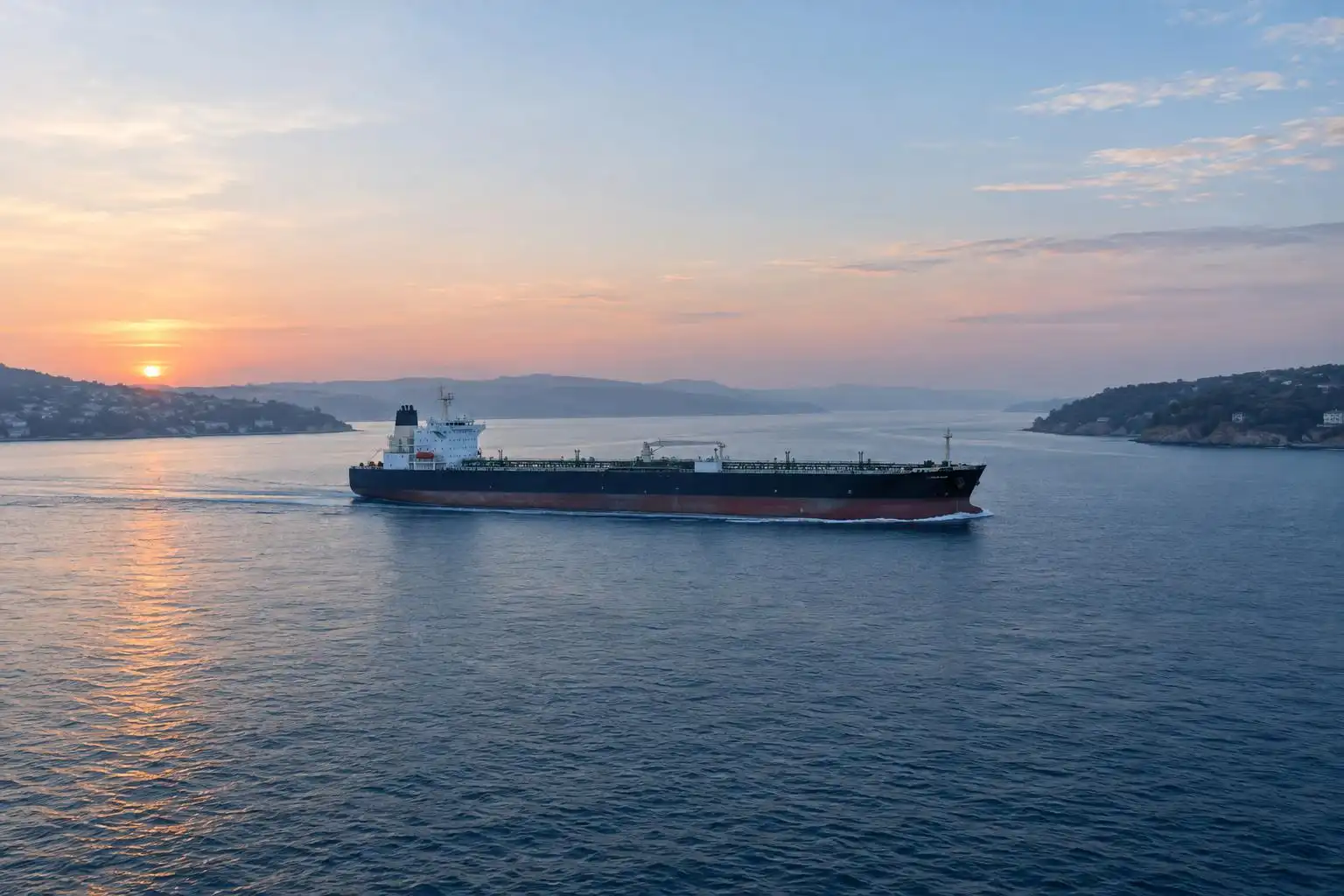
A stronger sign of improvement would be sustained, routine passage across multiple days, accompanied by fewer disruptions and greater confidence among operators. That is a higher bar than a photograph of a tanker entering the strait. It measures whether companies are willing to rely on safer conditions, not merely test them.
Oil prices can react before costs fall
Crude markets price expectations, so a credible diplomatic opening could ease prices before shipping fully normalizes. The reverse is possible too: a fresh incident could erase that relief quickly. Neither move tells households exactly when they will see a difference at the pump.
Retail fuel prices reflect more than the latest crude quote. Refining, transport and local supply conditions all play a part, and changes can take time to reach consumers. For businesses that depend on diesel or shipping, persistent premiums may matter as much as the price of oil on any single day.
The next headline needs evidence behind it
The temptation is to sort each development into “deal” or “no deal.” The more useful question is what has changed on the ground and whether that change is holding. A signed agreement, a lull in attacks and normal commercial transit are related milestones, but they are not interchangeable.
Until those signals align, the most accurate reading of an Iran diplomacy headline is a conditional one: talks may offer a route out of danger, while ships and their crews remain the measure of whether that route is working.


Leave a Reply