


A diplomatic proposal can dominate the news without changing the situation on the ground. That is the distinction to keep in view as Washington and Tehran weigh the path forward after Iran’s seven-day proposal. The questions are whether the parties have agreed to anything, whether fighting and shipping risks have eased, and whether the public can independently assess either claim.
A proposal is not yet a pause
The seven-day proposal gives negotiators a possible framework, but its significance depends on what follows. An announcement that talks will continue would be a diplomatic step. An agreed start time, a clear account of what each side must do and evidence that those commitments are being observed would be something more substantial.
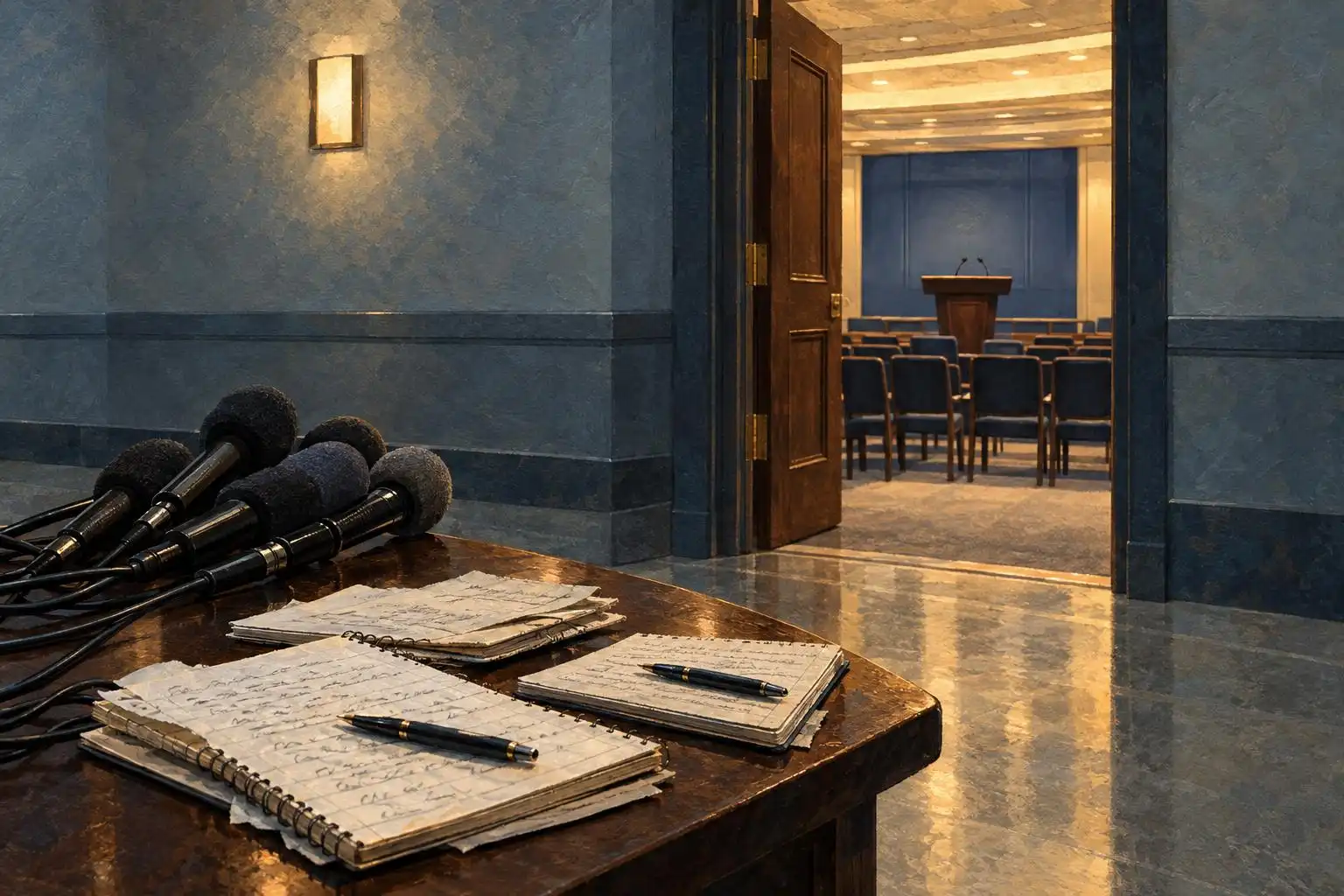
The most revealing details may be the least dramatic ones: who monitors compliance, how violations are reported and what happens when the seven days end. Without those answers, a hopeful statement can leave governments, shippers and civilians planning around very different expectations.
Oil prices need evidence, not just reassurance
Energy costs have made the Iran conflict an economic story far beyond the region. A diplomatic opening could ease fears about disruption, but a change in tone does not itself restore shipping confidence or lower what households pay for fuel.
Watch for evidence that vessels can move reliably, insurers and operators are responding, and supply is reaching buyers. Oil prices may react quickly to a headline; retail fuel costs generally take longer to change. Those measures should not be treated as interchangeable proof that the risk has passed.
Press access is part of the accountability test
The dispute over White House press access raises a separate question: who gets to ask officials for the details behind their claims? Court action may affect access, but the practical test is whether reporters can attend, question decision-makers and obtain consistent answers about policy.
That matters especially during a fast-moving conflict. When officials describe a proposal as progress, journalists need room to ask what has been accepted, what remains contested and how competing accounts can be checked. Access does not guarantee a complete answer. Restricting it makes an incomplete answer harder to challenge.
What to look for next
The strongest sign of a shift would be a sequence, not a single headline: a documented agreement, observable changes in conduct and sustained reporting that tests official accounts against events. Until then, the seven-day proposal remains a possibility rather than a settled outcome.
For readers, the useful question is not simply whether the latest statement sounds optimistic. It is what can be verified now, what still depends on a promise and who is able to scrutinize the difference.


Leave a Reply