
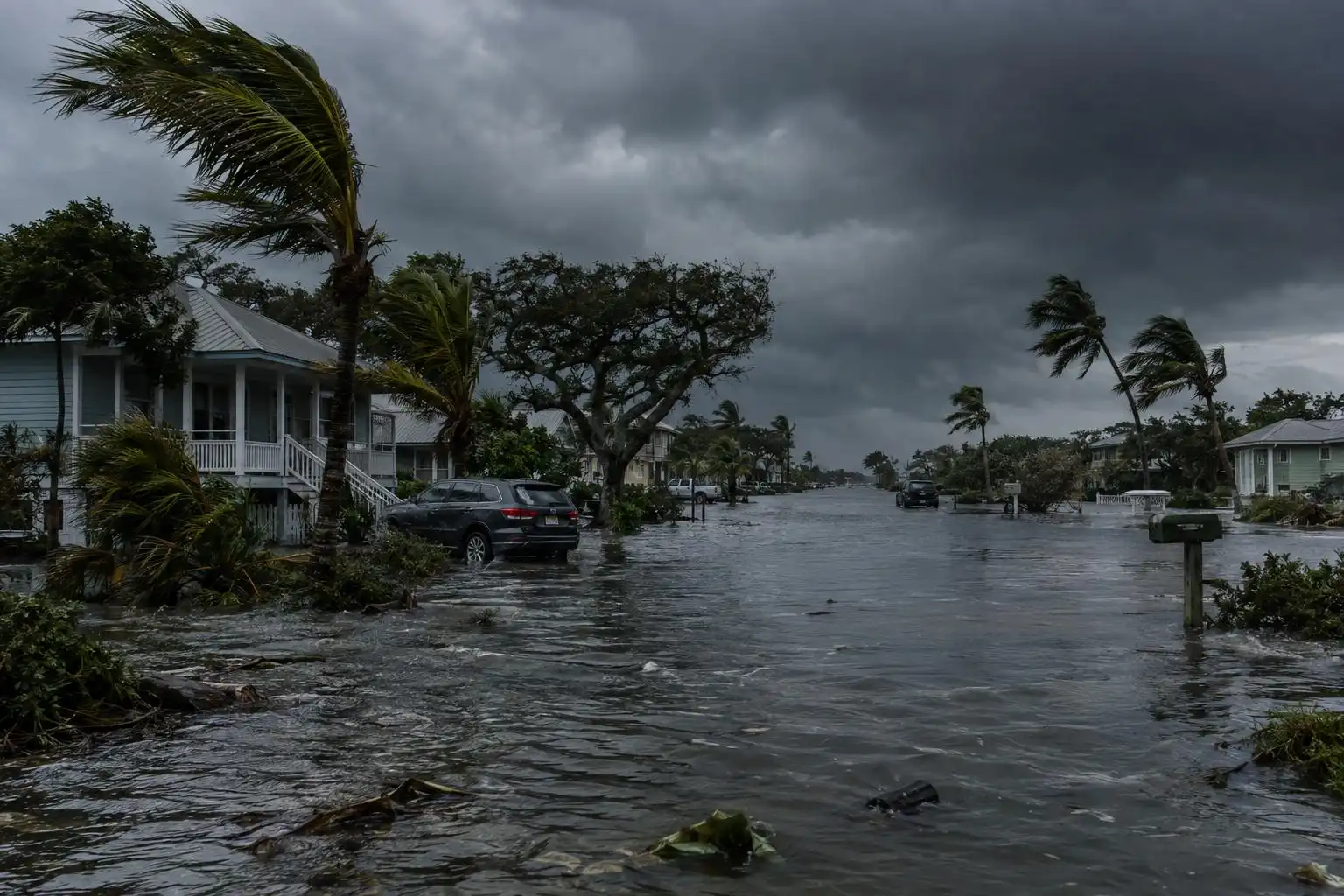

For Gulf Coast residents, the weather threat is immediate: Hurricane Isaias is bringing warnings of life-threatening storm surge as it approaches the coast. Farther west, California is looking ahead to a potentially powerful El Niño and the possibility of damaging winter rain. These are different hazards on different timelines, but both show why a forecast is most useful when people know what action to take from it.[4][3]
On the Gulf Coast, water is the urgent danger
Reports on October 9 described a storm expected to make landfall along the northern Gulf Coast. By October 10, coverage was warning of life-threatening surge, while another report described Isaias making landfall in Florida and hammering the Gulf Coast. Those accounts reflect a rapidly developing situation; residents should use current National Hurricane Center advisories and local emergency instructions rather than an earlier description of the track.[2][4][1]
Storm surge is seawater pushed onto land by a storm’s winds. Its depth can change sharply over short distances with coastline shape, tide and wind direction. Heavy rain adds another danger: roads that appear passable can become flooded, and water can remain after the strongest winds have moved on. For someone in a surge evacuation zone, the critical question is not whether the storm’s center will pass overhead. It is whether local officials have ordered them to leave.
California’s warning has a longer lead time
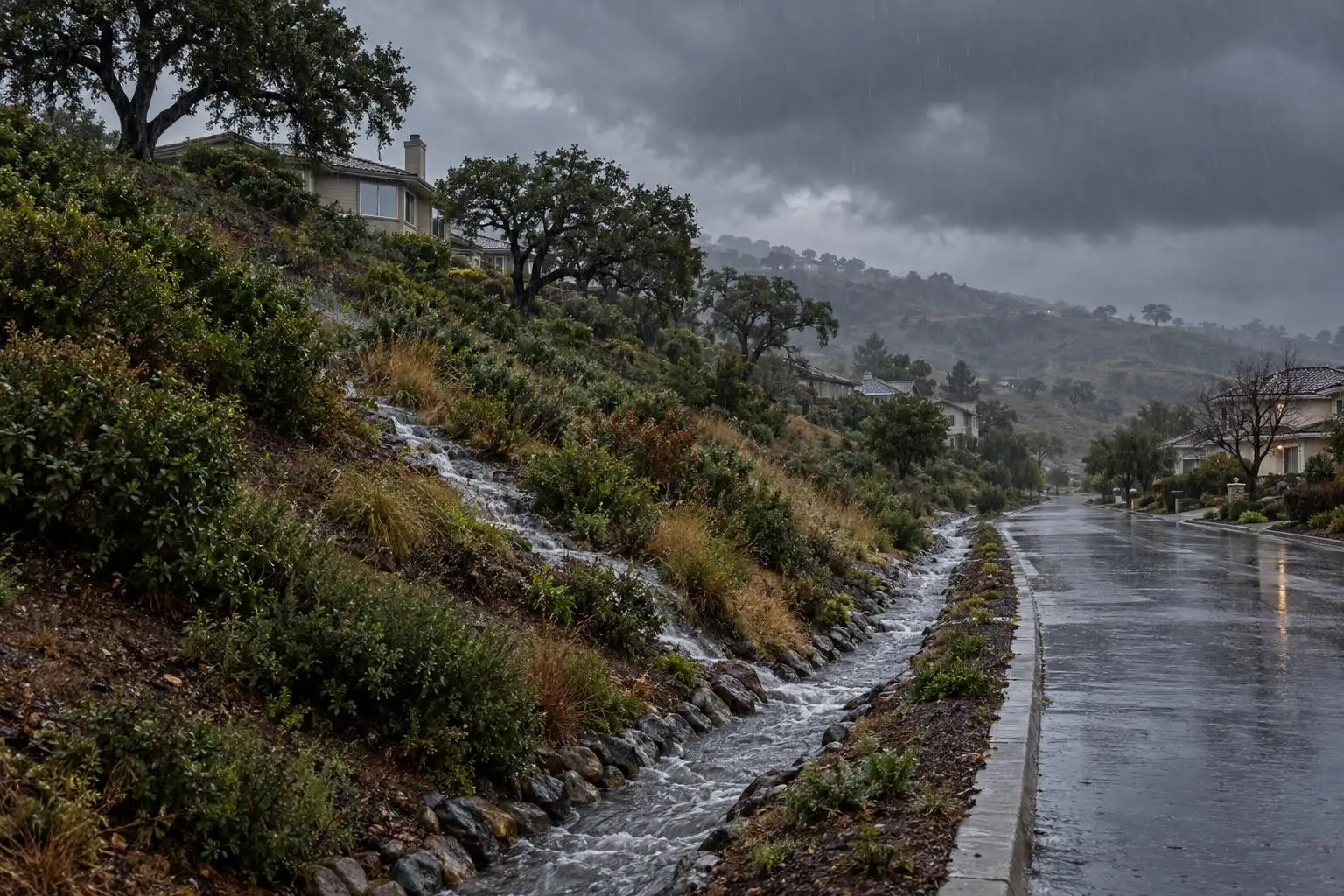
California faces a different planning problem. A potentially historic El Niño has raised concern about flash floods and landslides during the coming wet season.[3] El Niño is a periodic warming of waters in the tropical Pacific that can alter atmospheric circulation and shift the odds of rain across parts of the world. It does not, by itself, tell us which California neighborhood will flood—or when.
That distinction matters. A wetter seasonal outlook gives communities time to inspect drains, review flood routes and prepare for debris flows, especially near steep slopes and areas affected by previous fires. A short-range forecast or local warning is still needed to identify a particular dangerous storm. Preparing for the season and responding to a specific event are two separate jobs.
One climate pattern does not explain every storm
It is tempting to connect a Gulf Coast hurricane and California’s El Niño outlook under one sweeping weather narrative. But an El Niño forecast is not evidence that El Niño caused Isaias. Individual hurricanes depend on conditions including ocean heat, moisture, atmospheric circulation and wind shear. El Niño can influence Atlantic hurricane activity at a seasonal scale, often by increasing wind shear, without ruling out a damaging storm.
The same caution applies to predictions about global impacts. An October 4 BBC discussion examined warnings that this El Niño could be exceptionally strong and considered how scientists can communicate risks of flooding, drought, wildfire and hunger without turning uncertainty into panic.[5] A strong climate signal warrants preparation; it is not a precise forecast of losses in any one place.
Turn forecasts into decisions
The most useful preparations match the timescale of the hazard:
- During Isaias: Check current hurricane, surge and flood warnings. Follow evacuation orders, and never drive through floodwater.
- Before winter storms: Learn whether your home or usual route is vulnerable to flooding or debris flows, and identify another way out.
- For either threat: Keep alerts enabled and make a plan for anyone who may need help leaving, including neighbors with limited mobility.
The human cost of severe weather often depends on what happens before the worst conditions arrive. On the Gulf Coast, that window may be measured in hours. In California, it may be measured in weeks or months. Neither window should be wasted.
References
- Extreme weather | World | The Guardian, October 9, 2026 — https://www.theguardian.com/world/extreme-weather/2026/oct/09/all
- ‘Like an earthquake’: El Niño is coming for California — https://www.theguardian.com/us-news/2026/oct/07/california-el-nino-preparedness
- Extreme weather — https://www.theguardian.com/world/extreme-weather
- Extreme weather | World | The Guardian, October 10, 2026 — https://www.theguardian.com/world/extreme-weather/2026/oct/10/all
- The Global Story: The Super El Nino – what happens when it hits us? — https://www.bbc.com/audio/play/p0pdnflq


Leave a Reply