
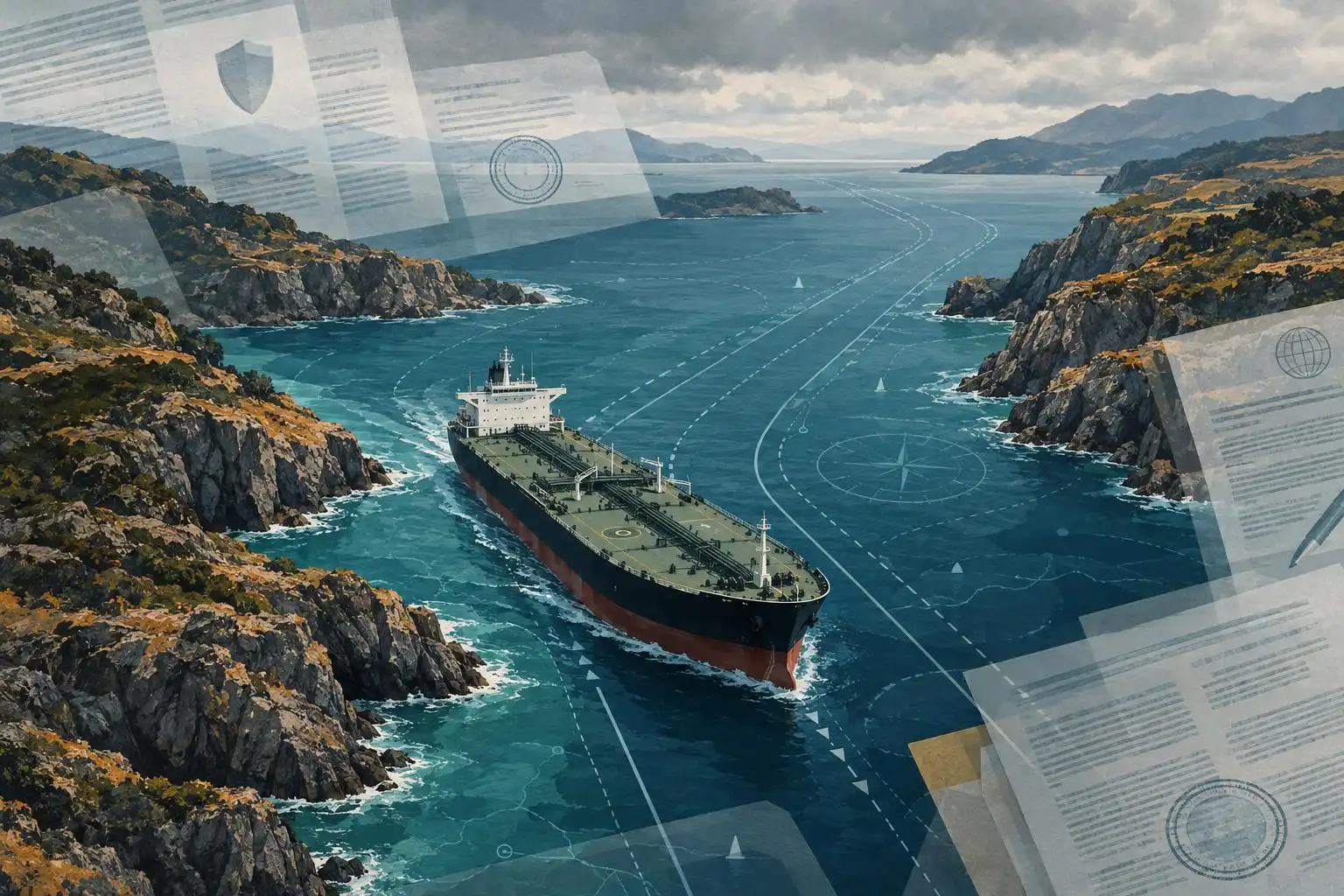

A statement that the Strait of Hormuz is open can move oil markets in minutes. A shipowner’s decision to send a tanker through it is slower. Between those two moments sit questions about attacks, escort arrangements, crew safety and insurance. That gap matters: permission to sail is not the same as a shipping route returning to normal.
What an insurance quote can reveal
Ships need coverage against risks that ordinary marine policies may exclude, including damage connected to war. If insurers are willing to offer war-risk cover on less restrictive terms, that can signal greater confidence in a voyage. It does not prove the route is safe, but it tells us that companies putting money at risk are reassessing the danger.
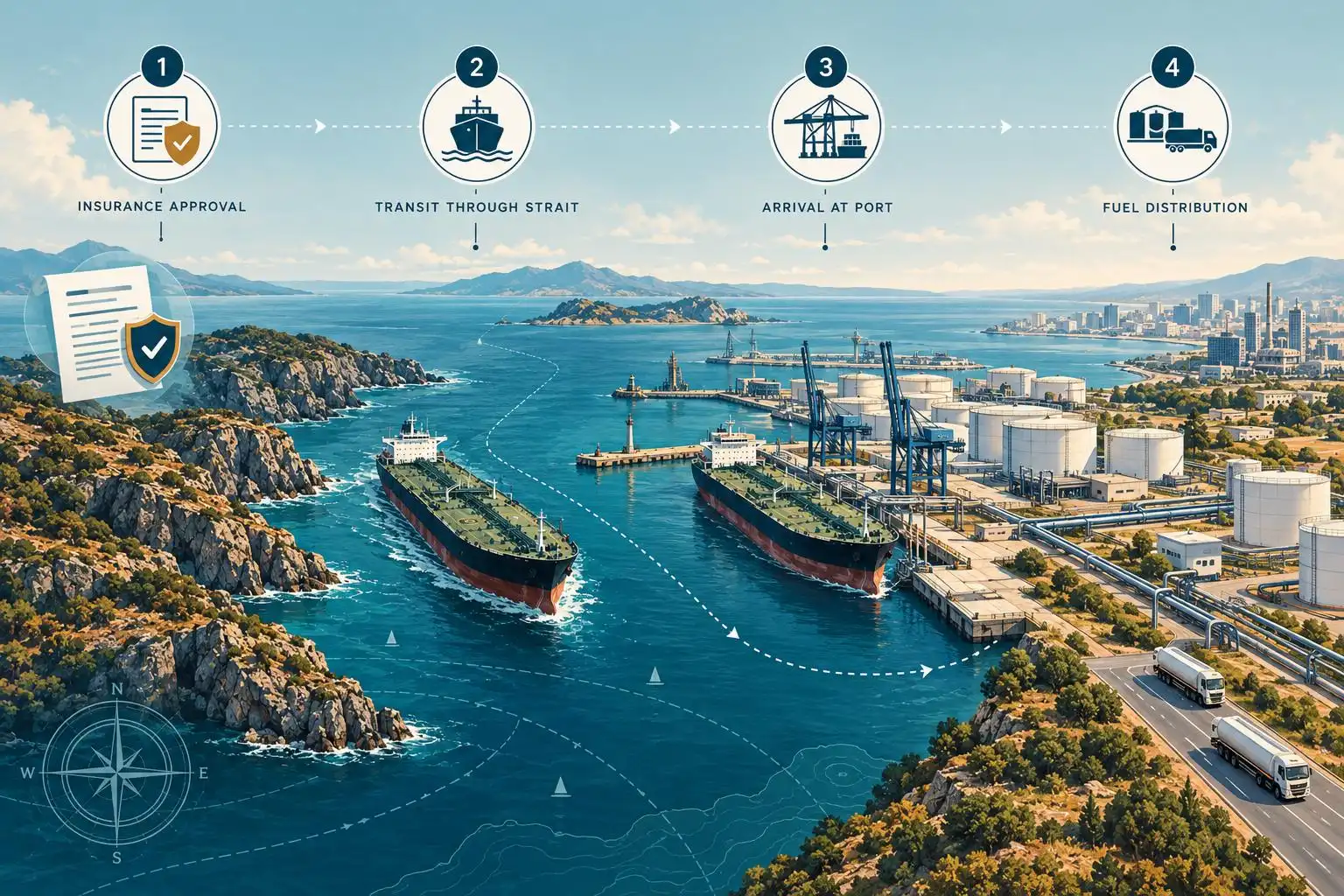
A single quoted premium is a weak measure, however. Rates can differ by vessel, cargo, route and timing. A more convincing change would be sustained availability of cover across multiple voyages, accompanied by shipowners scheduling passages rather than merely asking insurers for prices.
Why a transit count is not enough
The next test is what ships actually do. More vessels passing through the strait would be significant, but a one-day surge might reflect ships clearing a backlog. Analysts would need to distinguish a temporary release of waiting tankers from a dependable flow in both directions.
Public vessel-tracking data can help, with limits. Ships may not always broadcast positions reliably, and a track alone cannot confirm that a voyage was insured, completed without incident or delivered its cargo. Port arrivals and cargo discharge provide stronger evidence that oil has reached buyers.
The costs that remain after a passage
Even if tankers resume sailing, extra expenses may persist. Insurers can keep charging for elevated risk; operators may face longer routes, delays or higher security costs. Those charges affect the delivered cost of oil, not just the headline price of a barrel.
Fuel prices for drivers add another delay. Crude must reach refiners, be turned into products and move through distribution networks. Local taxes, refinery capacity and existing inventories also shape the price at the pump. A calmer shipping market could ease pressure without producing an immediate or equal fall in retail fuel prices.
The evidence to watch together
No single announcement, insurance quote or ship-tracking image can establish that a disruption has ended. The stronger case would combine sustained passages, workable insurance terms, completed deliveries and fewer reports of threats or delays.
That is the distinction to keep in view when the next reopening claim arrives. A diplomatic statement can create an opportunity for recovery. Insurers, crews and cargo buyers will help show whether that opportunity has become a routine voyage.


Leave a Reply