


The most consequential headlines in today’s available reporting span three places: northern Gaza, southern Lebanon and waters near Libya and Finland. They describe fresh harm to civilians, families returning to damaged homes and a question with potentially wider implications for the Ukraine war: who is attacking Russian vessels?[1]
A reported death in northern Gaza
Al Jazeera reports that an Israeli drone strike killed a Palestinian in northern Gaza. Its headline does not provide the person’s identity or further circumstances of the strike, so the account should not be read as a complete picture of what happened.[1]
The outlet also highlights condemnation of attacks on Palestinian farmers, describing the resulting anxiety and fear. The material provided does not establish where each reported attack occurred or give a count of those affected. Even so, the two headlines put civilian safety at the center of today’s Gaza-related coverage.[1]
Lebanese families return to damaged homes
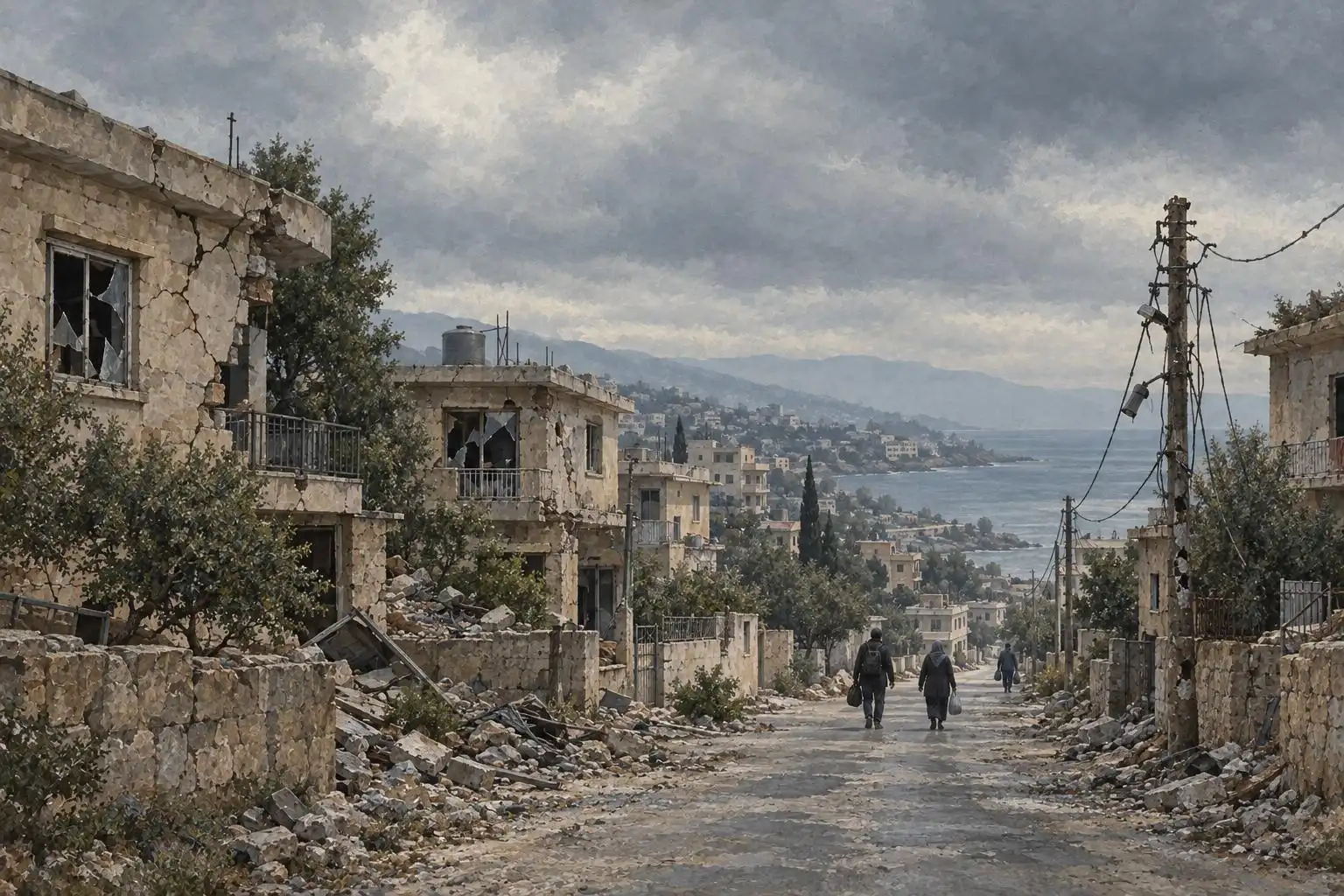
In southern Lebanon, Al Jazeera shows families returning to ruins after Israeli attacks. A return home is not necessarily a return to normal life: the footage’s central story is what families find when they get there.[1]
The supplied report does not quantify the damage or say how many people have returned. Those details matter for understanding the scale of recovery, but the account makes clear why the condition of homes remains a headline even after an attack has ended.[1]
Russian vessels attacked far from Ukraine
A separate Al Jazeera report examines a series of drone strikes on Russian ships off Libya and Finland, raising concern that the effects of the Ukraine war could spread. Its central question—who is behind the attacks—remains a question in the material provided, not an established attribution.[1]
That distinction is crucial. The available summary does not identify the attackers, specify the vessels’ damage or establish a connection between every incident. The locations alone make the reports significant; assigning responsibility without evidence would go further than the reporting supports.
What to watch next
The immediate questions are whether fuller accounts emerge of the Gaza strike and the attacks on farmers, what returning Lebanese families need, and whether investigators can establish who struck the Russian ships. For now, these are developing stories with important gaps—not grounds for declaring a wider escalation as fact.
References
- Breaking News, World News and Video from Al Jazeera — https://www.aljazeera.com


Leave a Reply
You must be logged in to post a comment.