
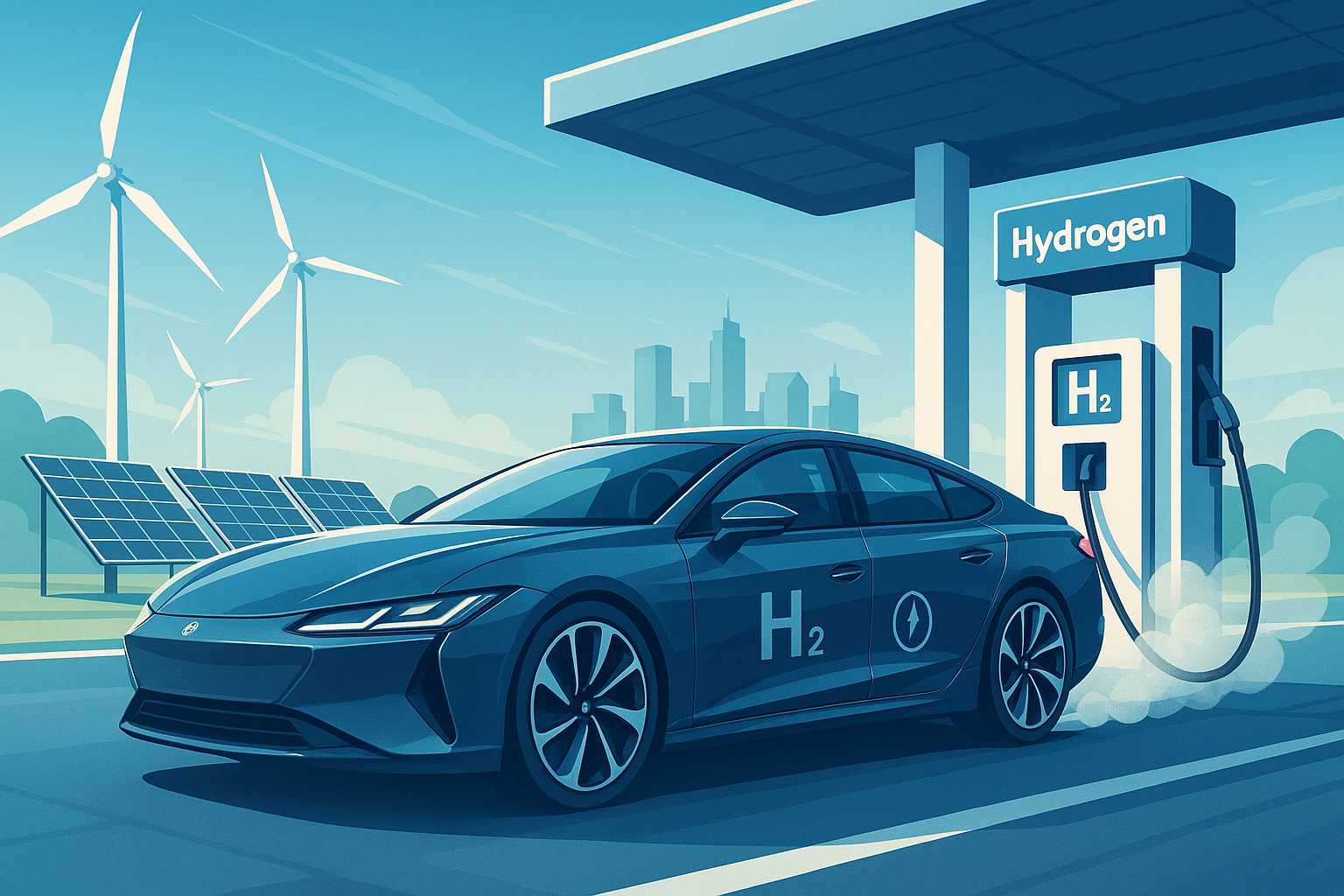

The automotive industry never sleeps, and as electric vehicles (EVs) continue to dominate headlines and drive showroom buzz, another alternative technology has quietly been regaining momentum: hydrogen-powered cars. But are hydrogen fuel cell vehicles (FCVs) truly poised for a comeback, or are they destined to remain a niche solution? Let’s explore what’s fueling renewed interest in hydrogen—and what’s still holding it back.
Why Hydrogen, and Why Now?
Hydrogen fuel cells convert hydrogen gas into electricity, emitting only water vapor as a byproduct. This makes them incredibly clean compared to gasoline engines—and even EVs when you consider emissions from electricity generation. But hydrogen cars have a range advantage: they can often travel 300-400 miles on a tank, and refueling takes just minutes, matching the convenience of traditional fueling.
Recent advances in hydrogen production, distribution, and storage are making FCVs more attractive than ever. Automakers like Toyota, Hyundai, and Honda are doubling down on their investments, while policymakers in Europe, Asia, and even California are introducing aggressive incentives for hydrogen infrastructure.
Challenges in the Road Ahead
Despite their promise, hydrogen cars face familiar hurdles: limited fueling infrastructure, high vehicle and hydrogen production costs, and stiff competition from increasingly affordable and practical battery electric vehicles. The infrastructure problem is especially challenging in North America, where hydrogen stations are concentrated mostly in California.
What’s Different This Time?
Several new trends could tip the balance in favor of hydrogen:
- Green Hydrogen Production: Using renewable energy to produce hydrogen could make the fuel truly carbon neutral.
- Heavy-Duty Applications: Hydrogen is gaining traction in trucks, buses, and commercial vehicles, where fast refueling and long range are critical.
- Global Policy Support: With governments setting ambitious emissions targets, hydrogen is viewed as a key tool to decarbonize transportation, especially in sectors where batteries fall short.
A Complement, Not a Competitor
The big takeaway? Hydrogen and battery electric vehicles aren’t necessarily rivals. Instead, they could coexist, each serving specific needs. Hydrogen’s quick refueling and long-range make it ideal for commercial fleets and long-haul applications, while EVs excel in urban commuting and short-distance travel.
As the technology matures and infrastructure expands, hydrogen cars could become a vital part of a more sustainable—and more diverse—automotive future.
— Lex
Leave a Reply
You must be logged in to post a comment.