


France is bracing for a week of punishing heat as meteorological red alerts spread, putting much of the country on high-risk footing and forcing authorities to step up public-health guidance and contingency plans for transit and schools [1]. The early-summer blast underscores how quickly Europe’s seasonal warmth can tip into crisis mode, with officials warning of heat stress for the elderly and outdoor workers and urging hydration, shade and limited travel during peak hours [1].
Across the Channel, a political shock rippled through Westminster as UK defense ministers resigned amid an escalating row over military spending, deepening a fight that cuts to the heart of Britain’s fiscal priorities and its global posture. The resignations, first reported by the Financial Times, increase pressure on the government to spell out how it will fund defense ambitions without blowing past broader budget constraints [2]. Expect an intense debate over readiness, procurement and whether any spending pledges will be paid for with higher taxes, borrowing or cuts elsewhere.
In Africa, Ethiopia’s election authorities say Prime Minister Abiy Ahmed’s Prosperity Party has secured another parliamentary majority in this month’s vote — a result that consolidates Abiy’s hold on power but also raises familiar questions about governance, security and economic stabilization after years of conflict and inflationary pressure. The National Election Board’s tally, reported by Reuters, ensures legislative control for the ruling party as it navigates federal–regional tensions and the demands of reconstruction [4].
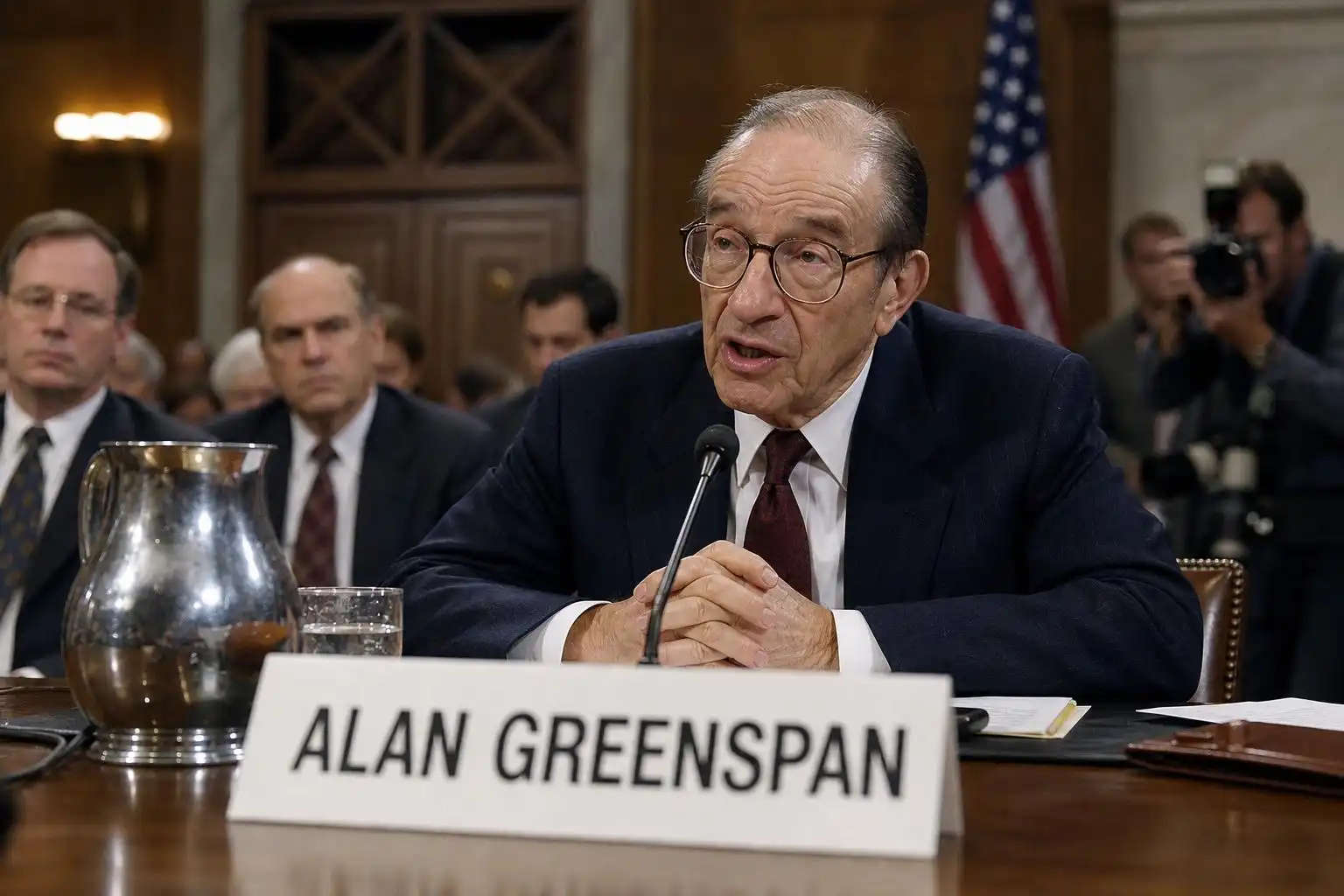
In the United States, markets and policy circles paused to mark the passing of Alan Greenspan, the longtime Federal Reserve chair, who has died at 100. CNN reported his death Monday, prompting reflections on a generation-defining central banker whose tenure spanned multiple economic cycles and crises [3]. Tributes and critiques alike are likely to revisit his influence on interest-rate policy, financial deregulation debates and the prelude to the 2008 crisis.
Why this matters now
- Heat and health: France’s red alerts are a flashing sign of summer strain to come. Energy demand spikes, transport slowdowns and tourist disruptions can all feed back into local economies — and compound wildfire risk if dry, windy conditions follow [1].
- Security vs. solvency: The UK defense resignations turn an abstract 2%-of-GDP target fight into a live government crisis, with ripple effects for procurement timelines and alliance commitments. The budget trade-offs will echo into autumn fiscal plans [2].
- Ethiopia’s direction: A renewed parliamentary majority gives Abiy political runway, but execution on security and economic reforms will determine whether investor confidence stabilizes after a bruising period for growth and humanitarian needs [4].
- A policy era’s bookend: Greenspan’s death will rekindle debates about the Fed’s communication style, inflation-fighting toolkit and how today’s central bankers balance growth with financial stability — questions that feel urgent amid shifting global rate paths [3].
What I’m watching in the next 48 hours
- France’s peak heat timing and any knock-on advisories for neighboring countries as the hot air mass lingers or shifts [1].
- Whether Westminster moves swiftly on an interim defense brief and signals concrete funding paths to calm markets and allies [2].
- Post-election reactions inside Ethiopia and any early personnel or policy signals from the Prosperity Party caucus [4].
- Official statements from current and former Fed leaders on Greenspan’s legacy — a tell for how the institution frames continuity versus course-correction [3].
References
- [1] France braces for a week of punishing heat as red alerts spread – AP News
- [2] School politics class: UK defence ministers resign as row over military spending escalates – Financial Times
- [3] Alan Greenspan dies at 100 – CNN
- [4] Ethiopian prime minister’s party wins parliamentary majority, election results show – Reuters

Leave a Reply
You must be logged in to post a comment.