
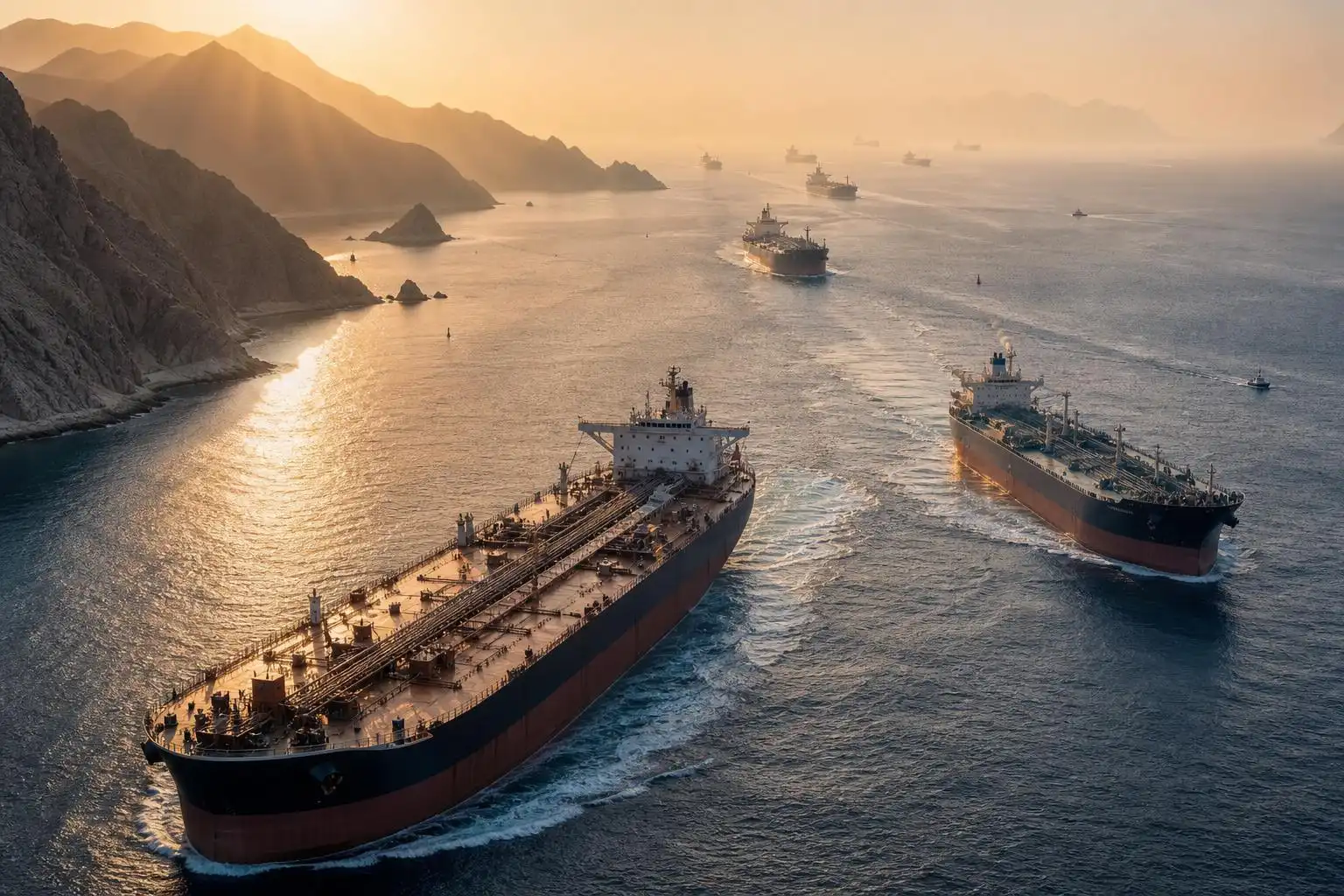

Global risk climbed Wednesday as President Trump declared the Iran ceasefire “over” and U.S. forces traded new strikes with Tehran, sending oil sharply higher and re‑widening a key shipping chokepoint risk just as carriers had begun normalizing routes through the region.[4][6]
The Pentagon said U.S. Central Command hit more than 80 targets inside Iran, including dozens of small boats used by the Iranian military to threaten Gulf commerce, after fresh attacks on three tankers in the Strait of Hormuz. The administration also revoked a waiver that had allowed some sales of Iranian oil—moves that together pushed crude prices higher and revived talk of an extended supply shock.[6]
Trump signaled a harder line and fresh transactional diplomacy in parallel: he said the United States would either “make a deal with Iran or finish the job,” and confirmed he’s weighing F‑35 sales to Turkey alongside a plan to lift sanctions on Ankara—steps that would reshape the balance within NATO and the region if they advance.[1][4] While NATO showcased a slate of major arms deals this week, Trump complained allies “were not there for” the U.S. during the Iran conflict, even as he also suggested a Ukraine war resolution is “closer than people realize.”[1]
Markets and the AI swing
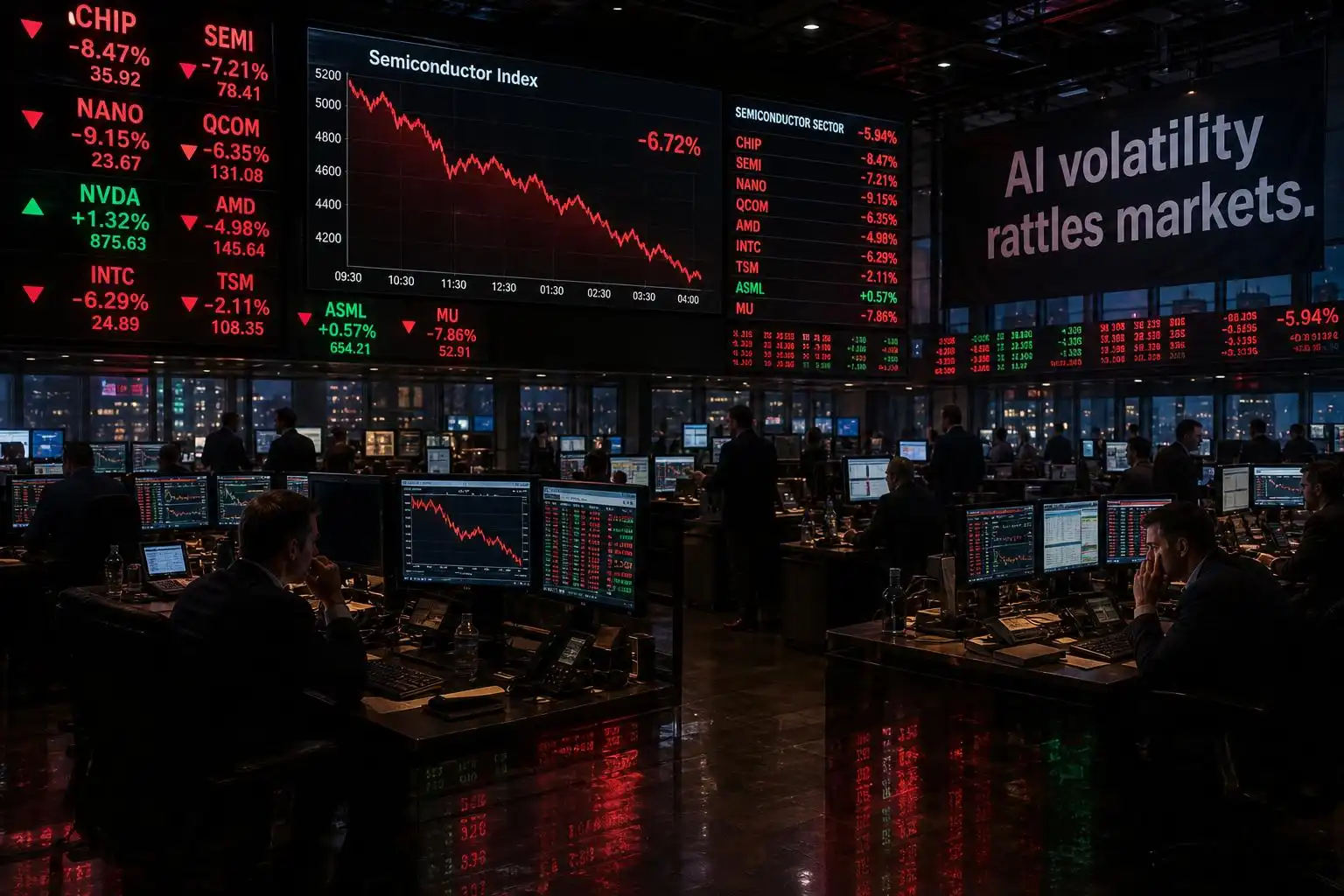
• Stocks have been choppy as investors juggle geopolitical risk and a cooling U.S. labor pulse with tech‑sector angst. Chipmakers led declines in the latest session on worries about AI demand pacing and inventories, pressuring the broader market.[3]
• In Asia, Beijing is weighing new curbs on overseas access to its most capable AI models—an escalation that could tighten the flow of cutting‑edge tools to foreign users and firms—while Samsung’s profit rebound and Microsoft’s 4,800 tech layoffs underscored how uneven the AI cycle remains.[2]
• ETF strategists warn that AI‑linked leverage is rising under the surface, increasing market fragility if sentiment sours; some argue the Fed now has room to avoid further hikes, but that hasn’t quelled volatility around crowded AI trades.[5]
• One bright spot: SK Hynix is pursuing a $28 billion U.S. listing to ride the global AI memory wave, a bet that demand for high‑bandwidth chips will persist even through periodic shakeouts.[2]
World Cup and the politics of sport
A refereeing firestorm continued to dog the U.S. men’s World Cup exit after FIFA overturned Folarin Balogun’s red card—hours after Trump said he asked FIFA’s chief to review the foul—prompting accusations of political meddling from critics and outrage from some Belgian supporters. Norway’s coach insisted the controversy is about FIFA, “not Trump.”[3][1]
U.S. politics and public safety notes
• Democrats urged a Senate candidate, Platner, to end his bid amid sexual assault allegations, a late‑cycle jolt as the party weighs potential replacements.[1]
• A Manhattan high‑rise was evacuated after columns buckled and debris fell, and a major warehouse fire sent thick smoke over parts of West Virginia—fresh reminders of infrastructure and safety strains.[1]
• Flash floods hit parts of New Jersey as storms swept the Northeast, snarling commutes and emergency response.[4]
Why it matters
- Energy risk is back. Strikes in and around Hormuz ripple well beyond defense circles: higher crude tightens financial conditions, dents consumer sentiment, and can reprice everything from airline tickets to food logistics.[6]
- The AI trade is still a roller coaster. Policy moves in China, mixed corporate signals, and leveraged positioning mean sharp rotations are likely to continue—even if secular demand for compute and memory holds.[2][5]
- Politics is bleeding into sport—and markets. From the FIFA flap to arms diplomacy around NATO, decisions at the intersection of power and spectacle are moving sentiment, headlines and, at times, prices.[3][1]
What to watch next
• Any Iranian or proxy response around Hormuz—and whether insurers or shippers curtail traffic—will determine if the oil spike sticks.[6]
• Clarity from Washington on F‑35s to Turkey and any sanction changes; concrete steps would reshape Ankara’s defense posture and test NATO unity.[4]
• Beijing’s next moves on AI model access—and whether other governments follow with their own guardrails—could redraw the map of who builds and who buys the most powerful tools.[2]
• FIFA disciplinary fallout and tournament integrity questions as knockout stages intensify.[3]
References
- NATO showcases huge arms deals, but Trump still feels let down – Reuters — https://www.reuters.com/video/watch/idRW608108072026RP1?chan=us-news&location=channel-item
- Beijing looks at curbing overseas access to its top AI models, sources say – Reuters — https://www.reuters.com/video/watch/idRW584407072026RP1/?chan=business
- US stocks end lower as AI worries hit chipmakers – Reuters — https://www.reuters.com/video/watch/idRW601307072026RP1/
- Pres. Trump declares ceasefire ‘over’ as U.S. trades more strikes with Iran – CNN — https://www.cnn.com/2026/07/08/world/video/trump-iran-mou-over-volker
- Inside ETFs: What’s the best hedge for your portfolio? – Reuters — https://www.reuters.com/video/watch/idRW588207072026RP1/
- Oil Prices Jump After Renewed Strikes in Gulf Put Shipping Recovery at Risk – The New York Times — https://www.nytimes.com/2026/07/08/business/oil-gas-markets-shipping-hormuz.html


Leave a Reply
You must be logged in to post a comment.