
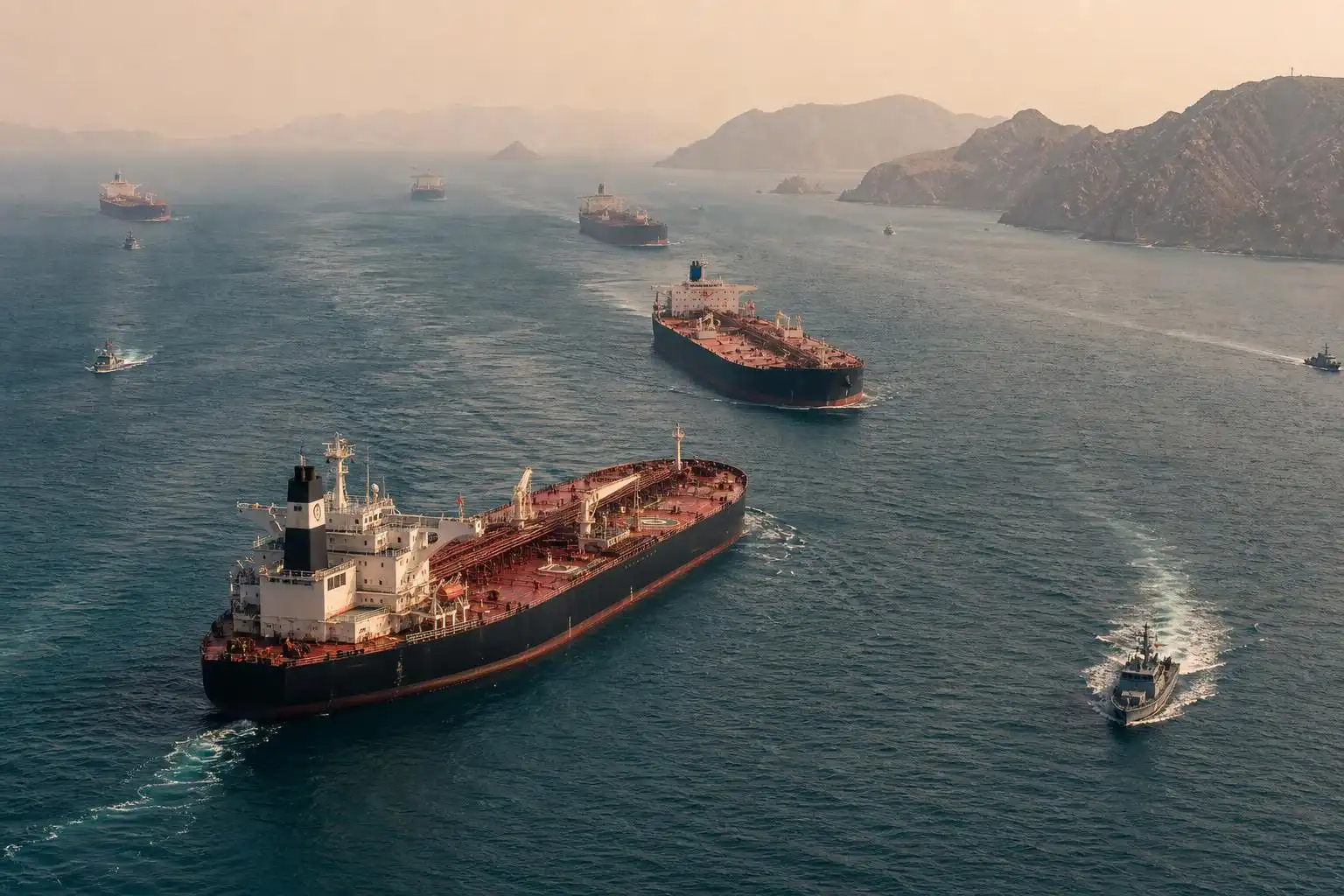

Talks, threats and optics around the Strait of Hormuz are moving fast—and not always in the same direction. President Trump declared the waterway open and said he will seek compensation from Tehran, even as Qatar signaled mediation with Iran and Oman is ongoing and not yet culminating in direct U.S.–Iran talks. Iran, for its part, says it is speaking with Oman but not Washington. The mixed messaging underscores a still‑fragile corridor that moves a fifth of the world’s oil. [1][2][5]
Trump has paired his claim with pressure tactics—warning Iran would be “hit very hard” if flows don’t resume—while demanding payment for “50 years” of alleged damages and war costs. The hard‑edged posture comes as Washington and regional go‑betweens try to translate tentative progress into sustained safe passage. [2][5][1]
At sea, the risks remain acute. An Indian‑flagged cargo ship was sunk off Yemen’s coast by a projectile; all 14 crew were rescued, India says. Separately, U.S. Central Command said a Navy helicopter fired missiles to disable a Panama‑flagged vessel that was attempting to break the Iran blockade in the Gulf of Oman—an escalation that highlights the cat‑and‑mouse nature of enforcement. [2][4]
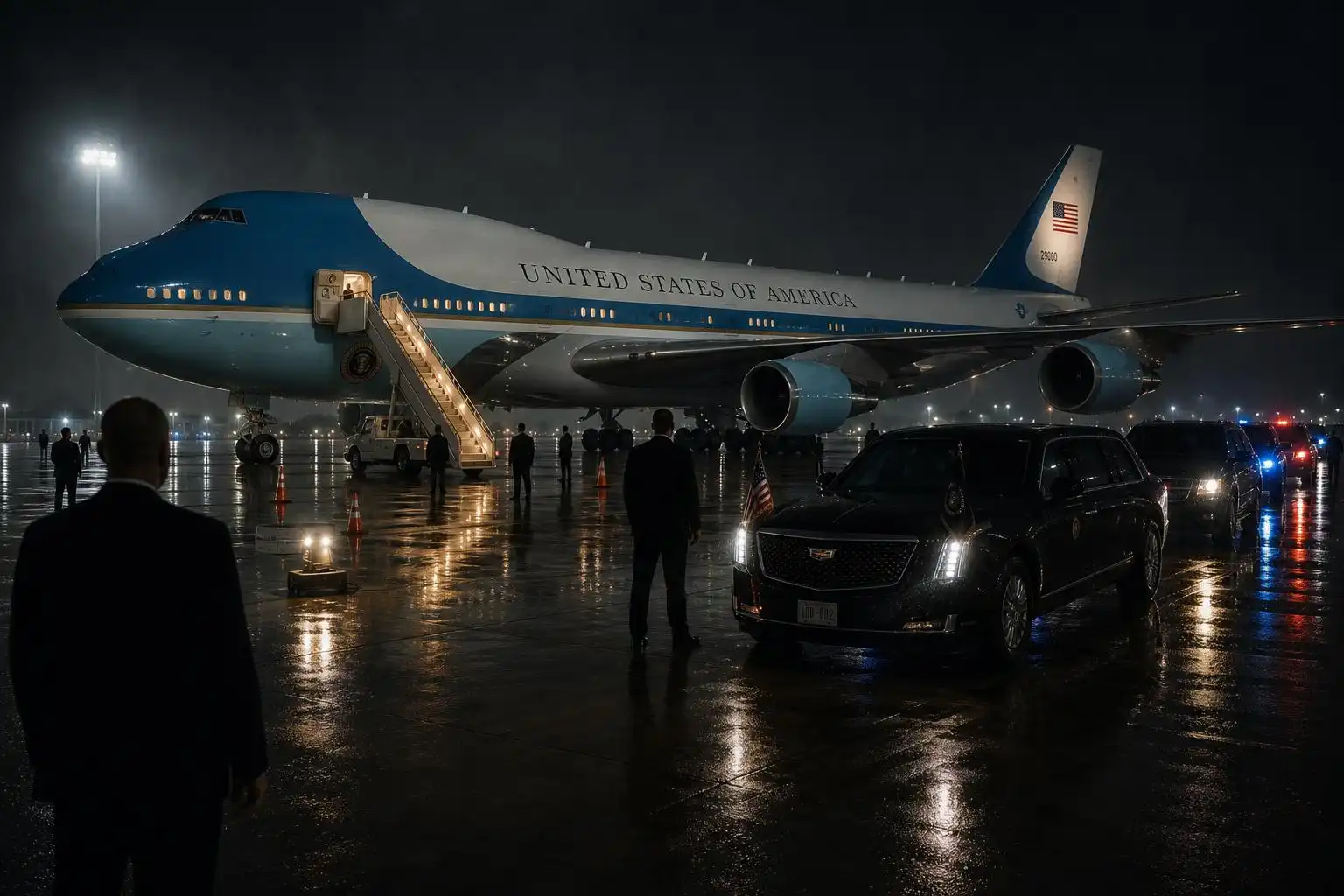
Security concerns around the president also came into sharp focus. Reports revealed Trump secretly swapped planes after the NATO summit in Turkey, even hiding in a catering truck to reach an alternate aircraft amid what officials viewed as a credible Iranian proxy threat. Senior aides including Secretary of State Marco Rubio, Treasury Secretary Scott Bessent and senior adviser Stephen Miller ended up on the decoy flight, according to subsequent reporting. [4][7]
The war’s economic undertow is evident at the pump: UK unleaded prices hit 160p per litre, the highest since the Iran war began, reflecting still‑elevated crude and jittery shipping dynamics. [2]
In the region, a landmark legal turn landed in Syria, where a court reportedly sentenced President Bashar al‑Assad and former security official Atef Najib to death in absentia, a symbolic verdict unlikely to be enforced but resonant after years of impunity allegations. [1]
Meanwhile, pressure points continue to multiply: a major fire erupted at Libya’s Zawiya refinery after a reported drone attack; Colombia mounted a frantic search for survivors after a quake with thousands reported missing; and Al Jazeera reports the Iran war is exposing shortfalls in U.S. weapons stockpiles—raising questions about procurement and sustainability if tensions grind on. [1][5]
Beyond the immediate crisis, a strategic science fight is brewing in Washington. A proposed Office of Management and Budget rule would bar federal funding for U.S. research collaborations with China. Scientists warn the move would undercut American innovation just as Beijing surpasses the U.S. in total R&D investment and output—a decoupling with generational implications. [8]
Sky note: Nearly a billion people could see at least a partial solar eclipse on August 12, with around 15 million in the path of totality. If you’re watching, use proper eye protection or vetted projection methods. [1]
References
- Breaking News, World News and Video from Al Jazeera — https://www.aljazeera.com
- US-Israel war with Iran | Latest News and Updates — https://www.bbc.com/news/topics/cx2jyv8j8gwt
- Trump’s secret plane swap highlights personal stakes of … — https://www.bbc.com/news/articles/cly8jexn1z9o
- Middle East News | Today’s latest from Al Jazeera — https://www.aljazeera.com/middle-east
- Rubio, Bessent and Miller Traveled on Decoy Plane From Turkey Without Trump — https://www.nytimes.com/2026/08/11/us/politics/decoy-plane-passengers.html
- Scientists say U.S. will suffer if White House bars research with China — https://www.washingtonpost.com/national-security/2026/08/11/scientists-say-us-will-suffer-if-white-house-bars-science-with-china


Leave a Reply