
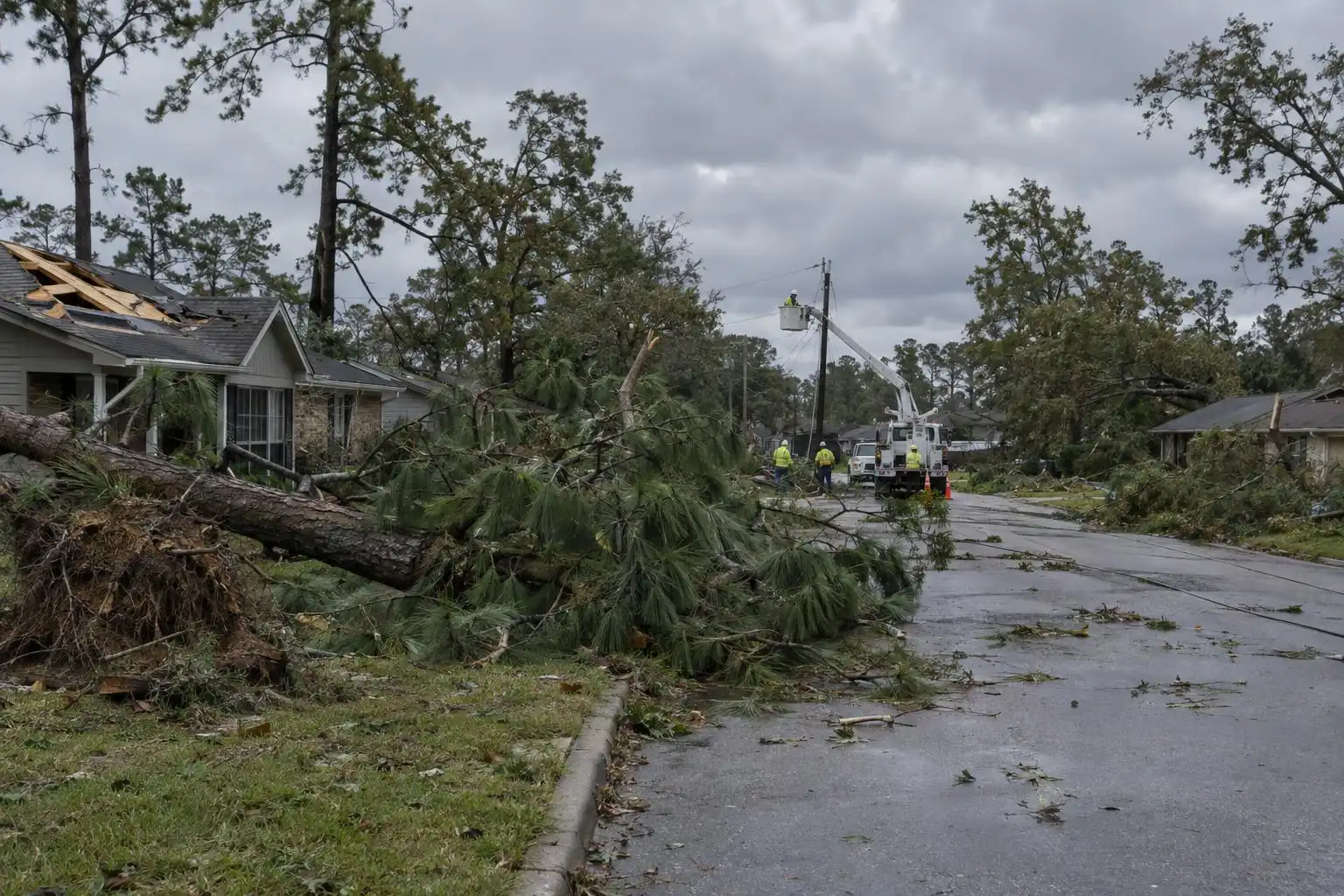

A hurricane can leave a neighborhood without power just as residents need weather alerts. A wildfire can prompt utilities to switch off electricity before flames reach a home. Along the coast, dangerous waves can flood streets even when the weather inland seems manageable. This week’s reports from the southeastern United States, California, Mexico and Indonesia show why extreme weather is often a test of ordinary systems as much as a test of the forecast.[1][3][4]
Isaias Leaves More Than Wind Damage
Hurricane Isaias felled trees and tore roofs from buildings as it struck the southeastern United States. Florida, Alabama and Georgia declared states of emergency ahead of its arrival, and mandatory evacuation orders affected thousands in Florida and Alabama.[5] As the storm moved north, thousands of customers in Florida and Alabama were without power.[2]
The reported death toll changed as officials assessed the damage: a BBC report described four deaths, while a later Guardian report said Florida officials had reported six. Those figures should not be treated as a single settled count; they reflect reports made at different points in the response.[5][4]
A hurricane’s danger does not end when its strongest winds pass. Downed trees can block roads and damage power lines, slowing access to medical care and repairs. Flooded streets can become especially deceptive after dark: Charleston officials warned residents ahead of expected high water that drivers cannot reliably judge flood depth from behind the wheel.[5]
California Faces Two Different Threats
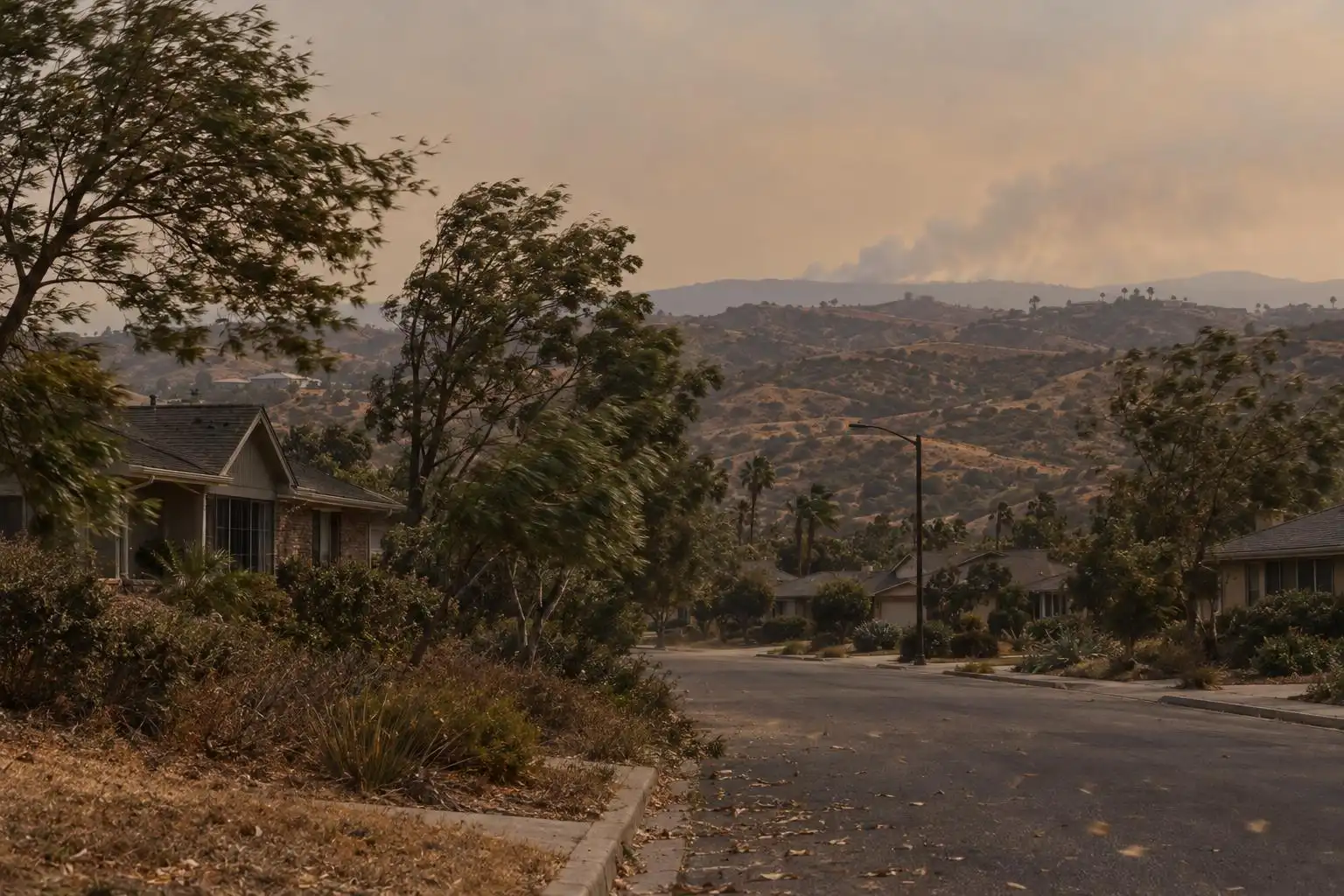
On the West Coast, intense waves and flooding battered California waterfront homes and boardwalks. Days later, hot, windy weather stoked southern California brushfires, forcing evacuations and prompting utilities to shut off power to tens of thousands of customers.[1][3] These are distinct hazards, with different warning signs and different safe responses.
Coastal flooding depends on more than how tall waves look offshore. Breaking waves can push water across roads and boardwalks, while the timing of high tide can worsen inundation. For residents, the practical question is whether a route remains usable—not whether a photograph makes the sea look dramatic. Keep away from flooded waterfront roads and never turn your back on breaking surf.
Wildfire weather creates another kind of uncertainty. Heat dries vegetation; strong winds can help flames spread and carry embers ahead of a fire. Power shutoffs can reduce the chance that electrical equipment ignites a blaze, but they also leave households managing refrigeration, communications and medical-device needs. An evacuation plan should work without home electricity or a reliable mobile connection.
Pacific Storms and Fire Beyond the United States
Mexico’s Pacific coast also faced a deadly period: the Guardian reported that Hurricane Simon and Tropical Storm Rachel killed five people there.[4] An earlier BBC report described Simon strengthening to Category 4 while it was approaching the coast.[5] That was a forecast-time snapshot, not a statement about the storm’s current strength.
In Indonesia, a wildfire reported as fueled by El Niño conditions destroyed almost 300 homes.[1] El Niño can shift rainfall patterns and increase fire-favorable dryness in parts of the region, but it does not ignite a fire by itself. The distinction matters: climate patterns help explain the background risk, while local weather, available fuel and ignition determine what happens on the ground.
Prepare for the Disruption, Not Just the Weather Map
These events do not share one cause, and a hurricane warning is not interchangeable with a wildfire evacuation notice. They do share a vulnerability: the systems people rely on during an emergency can fail or become hard to reach. A short household check can make the next alert easier to act on:
- Know two ways out of your neighborhood, and follow local evacuation instructions rather than a route chosen days earlier.
- Keep phones charged and maintain a way to receive official alerts if household power fails.
- Set aside essential medicines, drinking water and supplies for anyone who depends on powered medical equipment.
- Avoid floodwater, downed wires and closed roads, even after skies clear or winds ease.
The meteorology tells us where danger may develop. The human outcome also depends on whether people can receive a warning, leave safely and get help afterward. That is the lasting lesson of a week that brought wind damage, coastal flooding and fire to different communities.[2][1][3]
References
- Extreme weather | World | The Guardian (October 13) — https://www.theguardian.com/world/extreme-weather/2026/oct/13/all
- Extreme weather | World | The Guardian (October 11) — https://www.theguardian.com/world/extreme-weather/2026/oct/11/all
- Extreme weather | World | The Guardian (October 16) — https://www.theguardian.com/world/extreme-weather/2026/oct/16/all
- Hurricanes | World — https://www.theguardian.com/world/hurricanes/2026/oct/13/all
- Four dead and thousands without power after Hurricane Isaias lashes US — https://www.bbc.com/news/articles/cmje5x80yg70o


Leave a Reply