
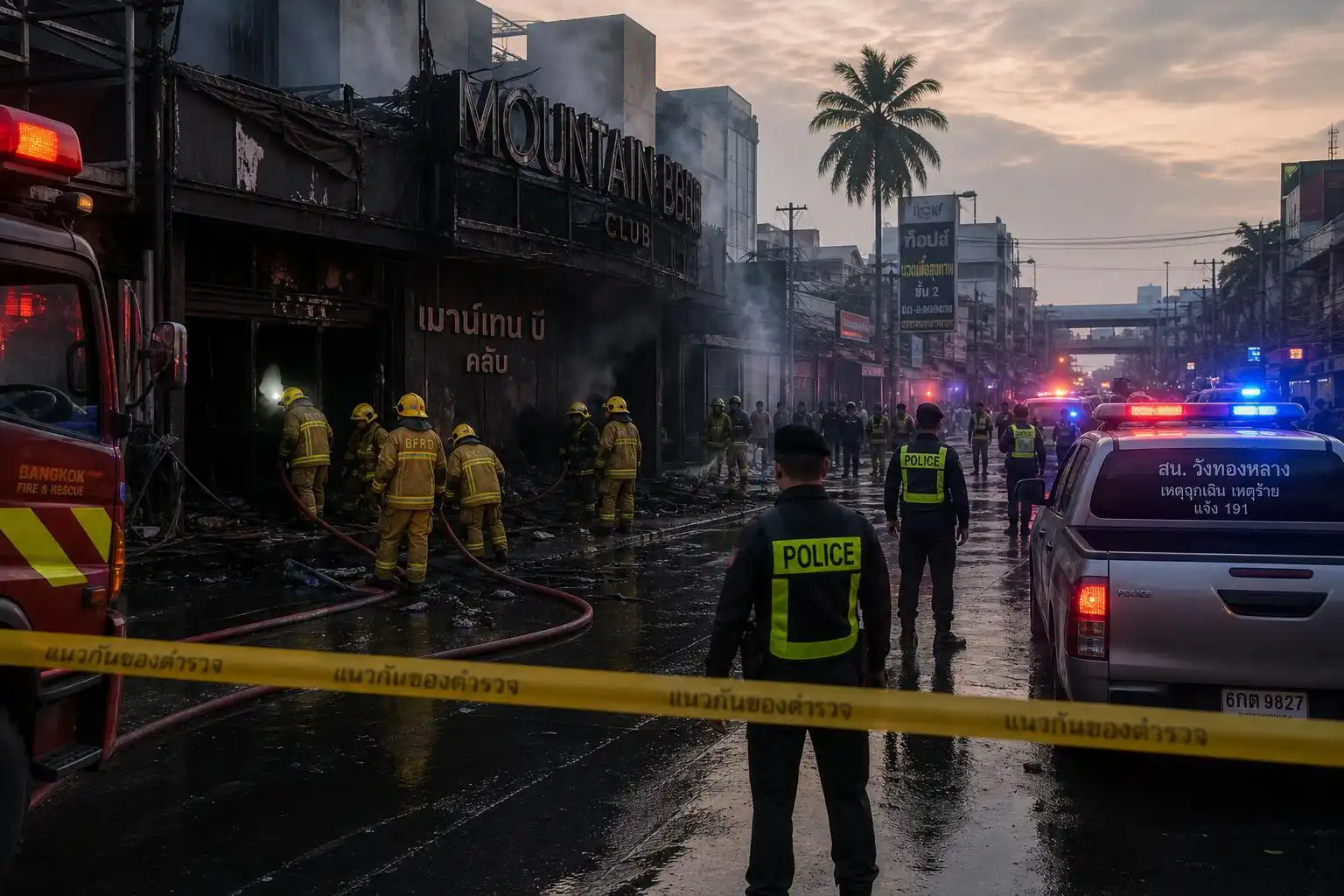

A deadly nightclub blaze in Bangkok, a powerful typhoon bearing down on East Asia, and a resurgent AI‑chip trade set the tone for a volatile start to the week, even as oil prices spiked on escalating U.S.–Iran strikes and Washington mourned a veteran senator.
Thailand tragedy
Authorities in Bangkok said at least 27 people were killed in a pub fire, with scores more injured, as emergency crews worked through the wreckage and hospitals issued urgent calls for blood donations. Investigators were probing the cause as families gathered at makeshift triage centers in the capital. The death toll could rise as officials account for missing patrons and assess the extent of structural damage and toxic smoke exposure.[1][5]
Storms, floods and fires
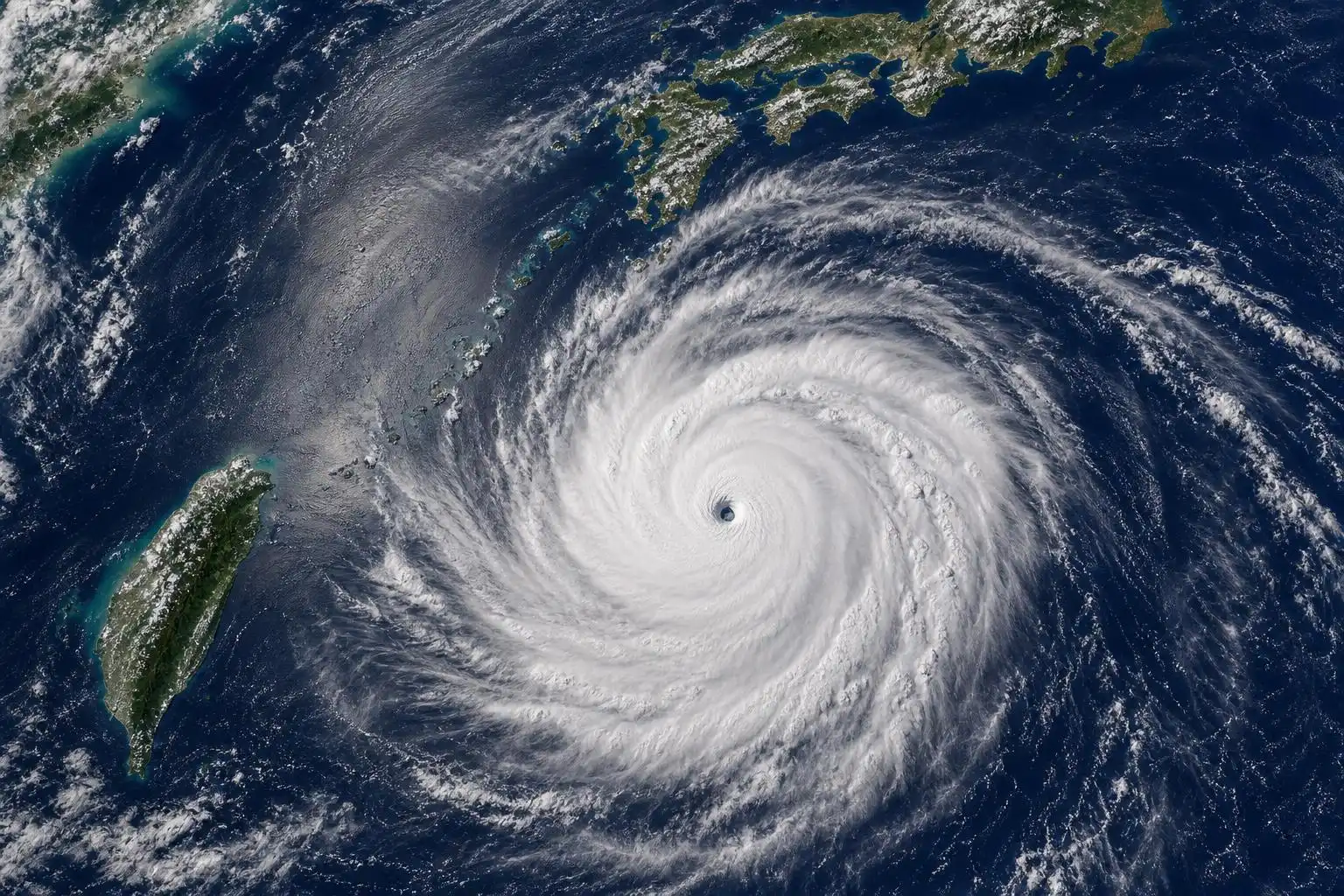
Across Asia, Taiwan braced for Typhoon Bavi—potentially its strongest storm in years—as authorities warned of dangerous surf, landslides and power cuts. Japan’s Ishigaki and parts of China’s southeastern coast also readied evacuations and sandbag lines amid forecasts of torrential rain and damaging winds. Southern China has already endured bouts of flooding and gale‑force gusts as a tropical system swept past.[1][5][6]
The region’s vulnerability was laid bare in Bangladesh, where a landslide in a Rohingya refugee camp killed eight children after days of heavy rain, while parts of India reported mounting flood damage as extreme weather battered several states.[1]
Europe faced its own climate stress: a wildfire scorched woodlands on a Croatian island, and separate blazes in southern Spain killed at least 11 people, prompting mass evacuations and the deployment of aerial tankers as searing heat and wind complicated containment.[6]
Security watch in the Pacific
In a move likely to heighten tensions with neighbors, China test‑fired a missile into the Pacific, alarming regional powers and adding to a week crowded with military and weather alerts. Beijing also tested a rocket‑booster recovery at sea, underscoring its expanding launch capabilities.[1]
Energy and geopolitics: Oil climbs as strikes resume
Crude prices jumped as the U.S. and Iran traded strikes in and around the Strait of Hormuz, reviving fears of supply disruption along a chokepoint that carries a significant share of global seaborne oil. Market desks flagged the risk that any further escalation could pull more barrels off the market or force costly re‑routing.[3]
On the political stage, President Donald Trump declared the interim ceasefire with Iran “over” and said, “We just hit them very hard,” while Iranian officials claimed strikes on U.S. military targets in the Gulf. The increasingly public tit‑for‑tat is shaping both diplomatic calendars and trading screens this week.[2]
AI chips power markets; China weighs AI curbs
Against that fraught backdrop, AI‑linked chipmakers continued to buoy equity markets. Taiwan Semiconductor Manufacturing Co. posted record second‑quarter revenue on surging demand for AI compute, and U.S. stocks finished higher as a chip rally helped investors look past Middle East risks. Separately, SK Hynix raised $26.5 billion in a major Wall Street listing, extending the fundraising wave tied to AI infrastructure.[4]
Policy makers are also racing to catch up with the technology’s reach. Beijing is considering curbing overseas access to its top AI models, a step that could reshape how Chinese frontier systems are trained, tested and integrated into global products—and further fragment the AI ecosystem along geopolitical lines.[1]
Washington in mourning
Back home, the White House lowered flags after the death of Senator Lindsey Graham at 71, prompting tributes from across the aisle for a lawmaker whose foreign‑policy footprint spanned decades. In a separate nod to the country’s political cross‑currents, a major Florida airport formally changed its name to honor Trump, highlighting how 2026’s symbolism continues to intertwine with day‑to‑day governance and travel.[2]
What’s next
- Typhoon Bavi’s track and intensity as it nears Taiwan, Japan’s southern islands and China’s coast.[1][5]
- Oil’s reaction to any fresh strikes or shipping advisories around Hormuz.[3]
- AI‑chip earnings and capital‑raising momentum versus regulators’ moves in China and beyond.[4][1]
References
- At least 27 killed in Bangkok pub fire, officials say – Reuters — https://www.reuters.com/video/watch/idRW737912072026RP1/
- White House flags lowered after Senator Lindsey Graham dies at 71 – Reuters — https://www.reuters.com/video/watch/idRW737112072026RP1/
- Oil prices jump as US and Iran step up tit-for-tat strikes – Financial Times — https://www.ft.com/content/a3075fc2-74bd-4908-ab02-bbac79c32ee6
- TSMC posts record revenue in second quarter on AI demand – Reuters — https://www.reuters.com/video/watch/idRW745713072026RP1
- Dozens killed, scores injured in Bangkok’s deadly pub fire – Reuters — https://www.reuters.com/video/watch/idRW739413072026RP1/
- Wildfire on Croatian island scorches woodlands – Reuters — https://www.reuters.com/video/watch/idRW735312072026RP1/


Leave a Reply
You must be logged in to post a comment.