
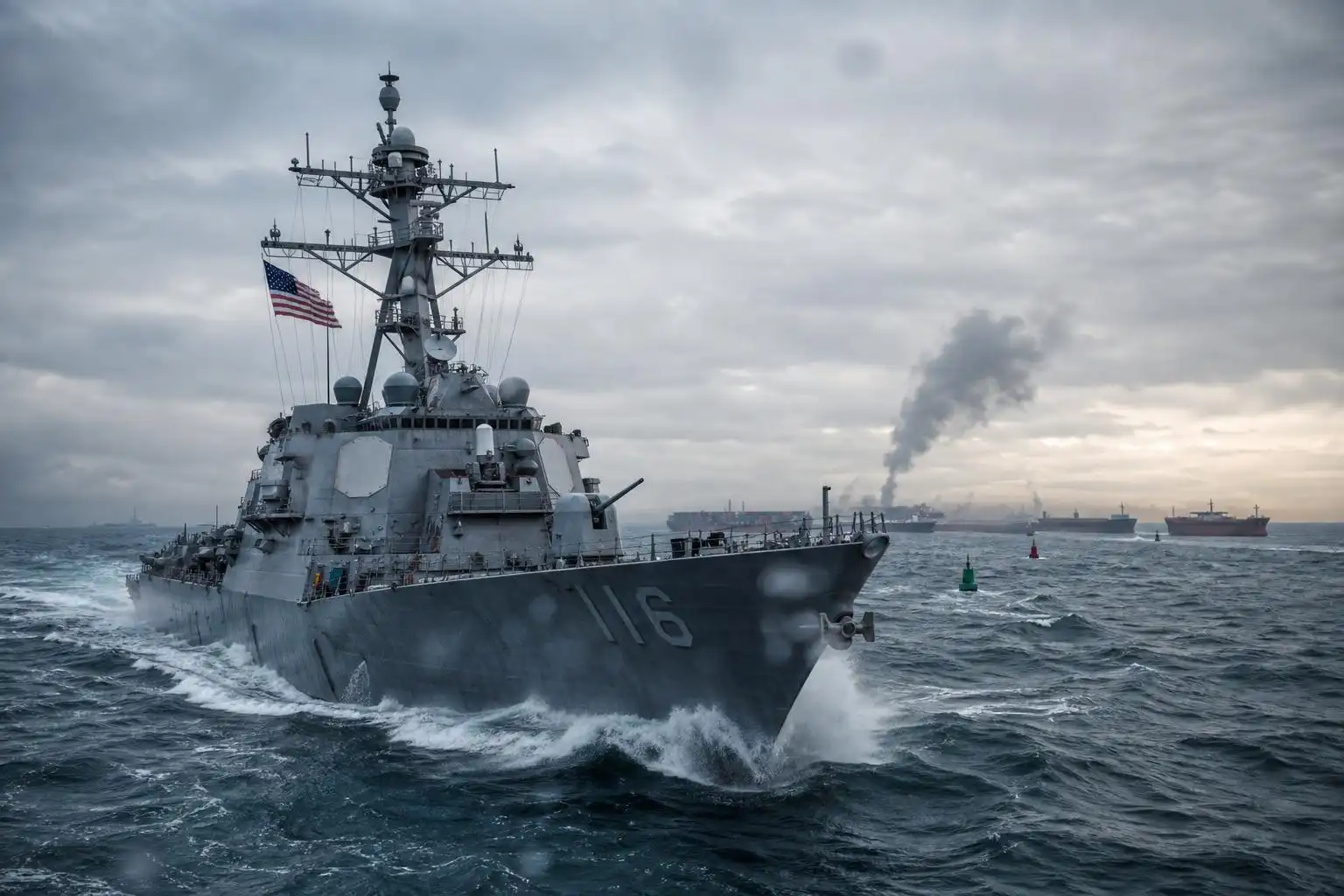

The U.S. military carried out new strikes on Iran-linked targets as clashes over key shipping routes intensified, underscoring how the conflict continues to spill into global commerce and energy security concerns.[1] Tehran, for its part, widened the confrontation into the information sphere, threatening to pursue “hostile” foreign media outlets and individuals as the environment for independent reporting grows more perilous.[3]
Markets digested the geopolitical heat alongside fresh indigestion from Big Tech’s AI spending spree. A bout of oil-driven nerves helped batter bonds, while investors recoiled at heavy capex and negative cash flow from marquee names: Tesla shares slumped about 14% after posting its first cash burn in two years, and Alphabet fell roughly 7% as it, too, burned cash amid AI ramp-ups.[7] With PMI snapshots due across the U.S., Europe and the U.K., any upside surprise could tip odds of a July Fed rate hike closer to a coin flip, keeping rate-watchers on edge.[7]
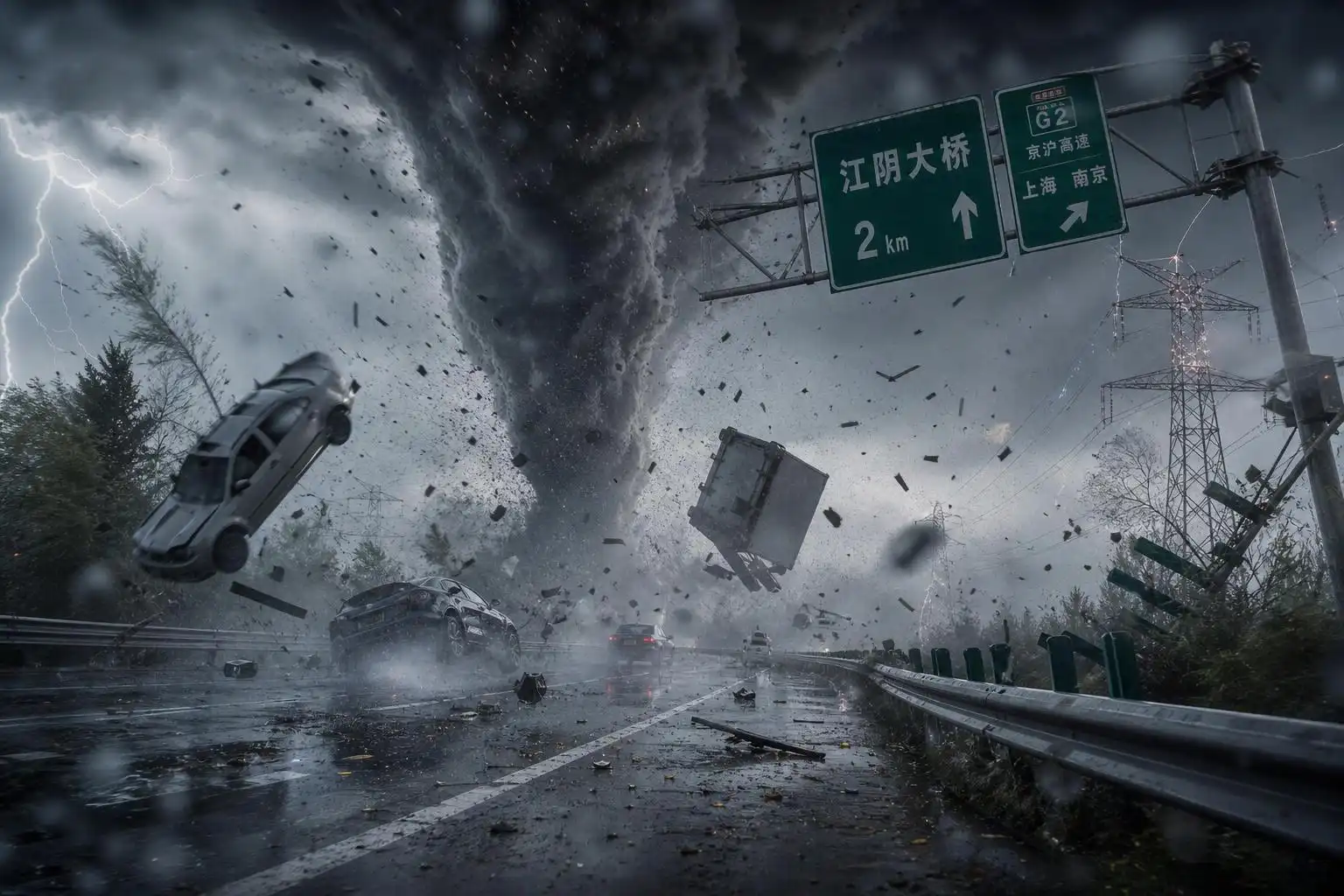
On the ground in Asia, dramatic video from China showed a tornado hurling vehicles, a visceral reminder of the region’s volatile summer weather and the growing human and infrastructure risks tied to severe storms.[5]
Why it matters now
- Shipping risk rises: Renewed U.S. strikes against Iran-linked assets highlight the fragility of maritime routes that carry a substantial slice of the world’s oil and goods. Any escalation tends to feed energy volatility and insurance costs, ultimately filtering into consumer prices.[1]
- Information crackdown: Iran’s threat to target “hostile” foreign media and people adds a sharper edge to the conflict’s propaganda and legal fronts, complicating efforts by international outlets and NGOs to report and operate safely.[3]
- AI’s price tag: The market’s reaction to tech giants’ cash burn underscores a new phase where investors scrutinize not just AI potential but also funding discipline, timelines to payback, and the strain on free cash flow during capex-heavy buildouts.[7]
The market view
- Equities: Sentiment toward mega-cap tech softened as the street recalibrated AI cost curves. Futures pointed to only marginal weakness in the Nasdaq, suggesting selective repricing rather than panic selling.[7]
- Rates: Oil jitters pressured bonds, a classic stagflationary anxiety mix when supply shocks threaten to lift prices even as growth data gets picked over for soft spots.[7]
- Data to watch: Flash PMIs land across major economies, and any U.S. strength risks nudging the market toward expecting a near-term Fed hike, keeping front-end yields sensitive.[7]
Also on the radar
- India’s protest flashpoint: A capital sit-in by the so-called Cockroach movement drew police crackdowns, a reminder of the tense domestic political calendar and civic space debates in the world’s biggest democracy.[1]
- U.S. Virgin Islands gun-rights suit: A second legal challenge seeks to expand firearm licensing rights in the territory, an extension of the broader post-Bruen legal churn reshaping local rules.[1]
- Severe weather watch: After the China tornado, regional forecasters are monitoring additional convective outbreaks; infrastructure and emergency services remain on alert.[5]
The bottom line
A widening U.S.–Iran confrontation is creeping from sea lanes to speech laws just as markets reassess the steep cost of the AI era. Add a spike in severe weather and restless politics from New Delhi to the Caribbean, and it’s a day to keep one eye on risk and the other on resilience.[1][3][7][5]
References
- AP Top Stories July 24 – AP News — https://apnews.com/video/ap-top-stories-july-24-65f118f30b93405080e9c3139de8056d
- Iran threatens ‘hostile’ foreign media, people, organizations – CNN — https://www.cnn.com/2026/07/23/world/video/iran-threatens-foreign-media-people-organizations-lead-jake-tapper
- Tornado tosses vehicles in China – CNN — https://www.cnn.com/2026/07/23/weather/video/tornado-tosses-vehicles-in-china-digivid
- Morning Bid: Oil batters bonds as AI burns cash – Reuters — https://www.reuters.com/world/china/global-markets-view-europe-2026-07-24/


Leave a Reply