
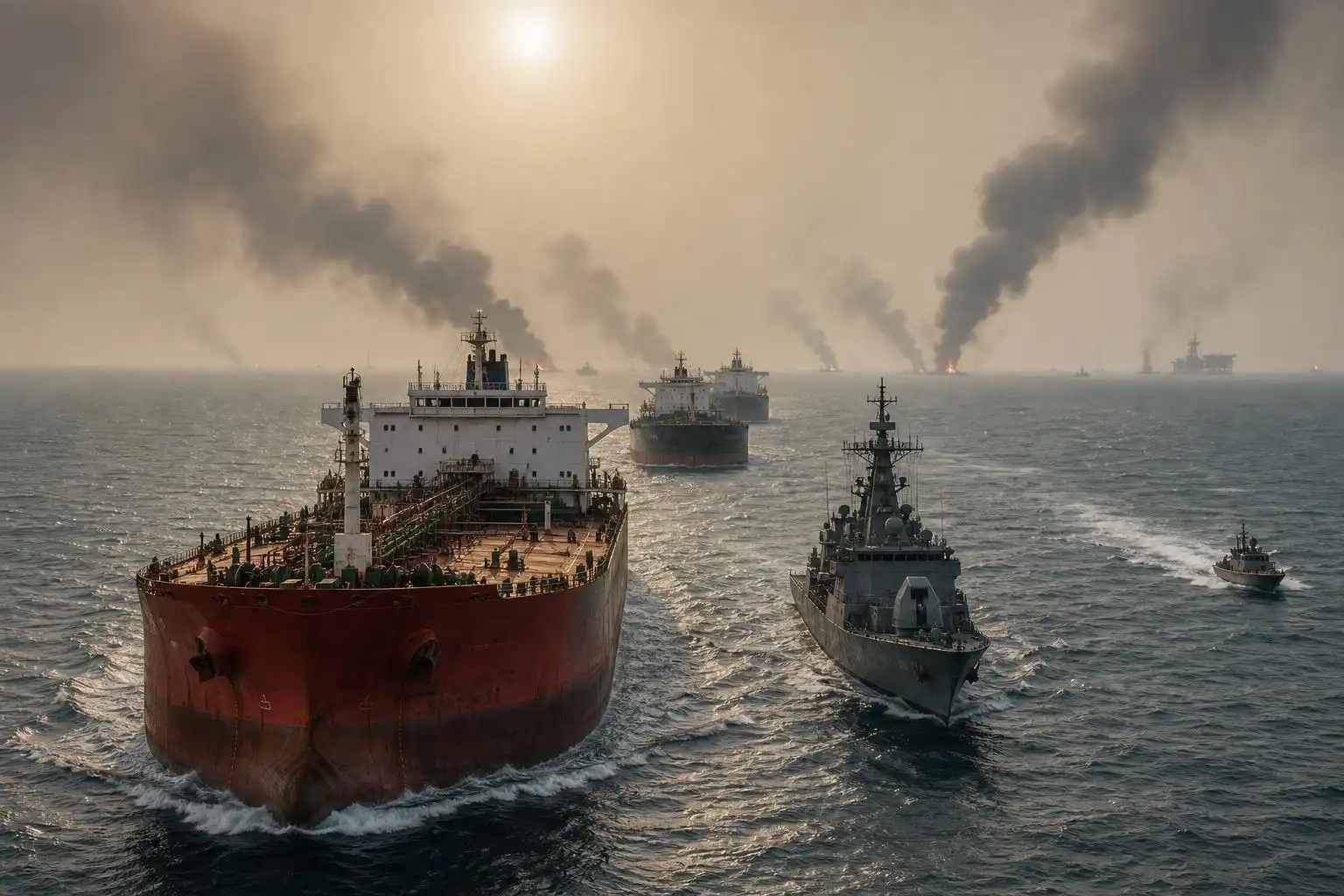

Oil ripped past $100 a barrel as the US and Iran traded some of their heaviest blows in months, with Washington releasing footage of strikes on five Iranian crude carriers after attempted missile attacks on a US warship. Tehran-linked forces also targeted a Jordan base and US vessels, further stoking fears of a wider regional spillover and supply shock. Brent’s three‑digit print underscored how war risk in and around the Gulf is again dictating markets.[1][7] The Pentagon characterized the tankers as destroyed, a claim echoed in US reporting, though independent verification of strike details remains limited.[5]
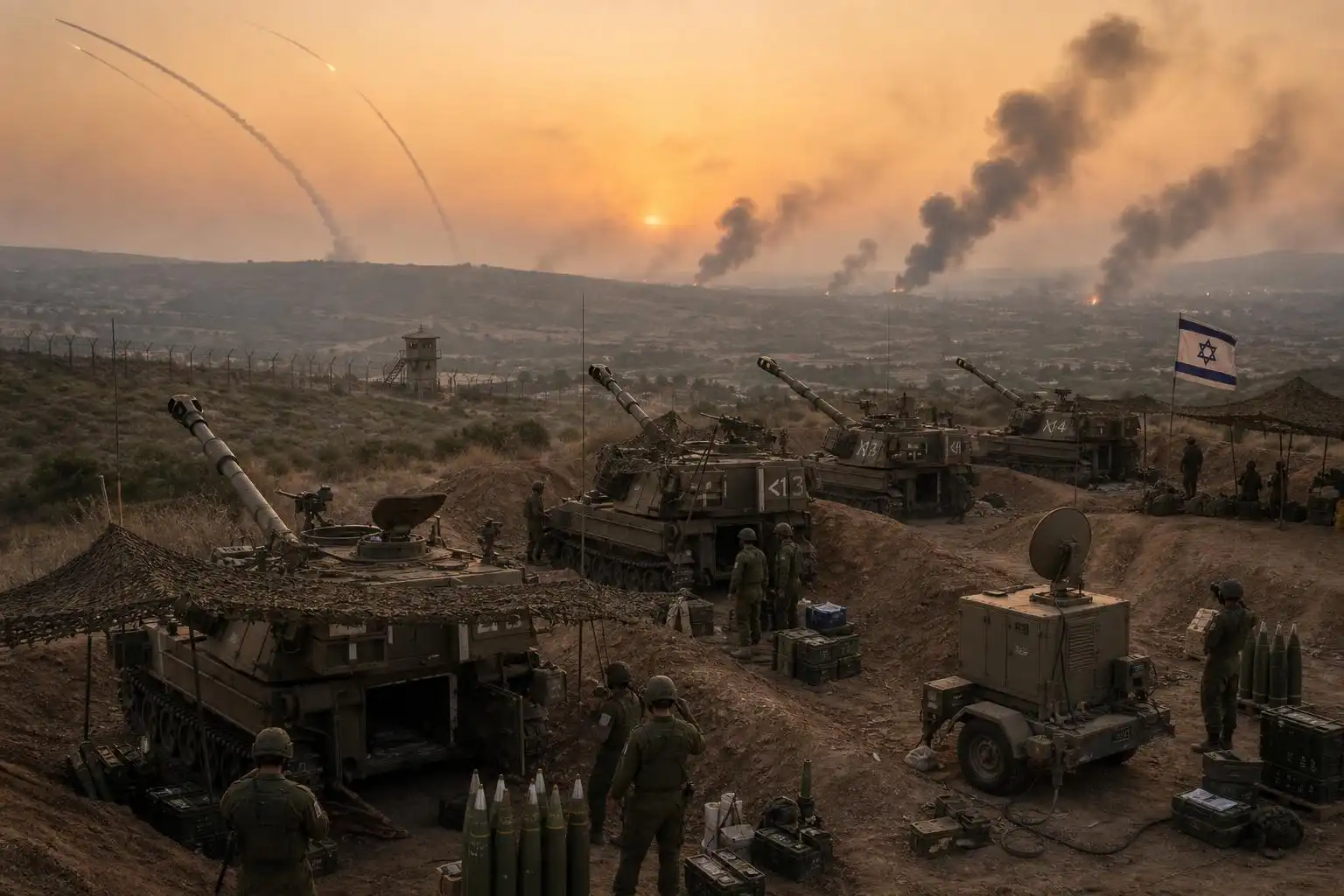
Israel, meanwhile, shelled targets in southern Lebanon amid persistent cross‑border fire with Hezbollah, while London criticized Israel’s latest sanctions retaliation as “damaging.” UK officials also acknowledged they had weighed the costs and benefits of measures targeting violent Israeli settlers—signaling growing transatlantic friction over the conflict’s conduct and spillovers.[1][7]
Diplomacy showed little relief. The IAEA warned its access to Iran’s nuclear program is being curtailed as Western powers push a UN referral, even as Washington tightened sanctions on Iran’s aviation sector. Beijing blasted the widening measures as illegal, and humanitarian groups flagged growing medicine shortages inside Iran under the blockade and sanctions squeeze.[2][1][6]
The maritime risk picture deteriorated further as a vessel was seen listing off the UAE after a projectile strike—an incident that dovetails with shipping insurers’ rising war‑risk surcharges and refueling snarls that analysts say are already tightening fuel supplies worldwide. With crude at $100, any additional hit to bunkering hubs or Hormuz traffic could reverberate quickly through freight rates and inflation.[7][2]
Beyond the Gulf, Russia resumed deadly strikes on Kyiv after a brief lull during US envoy visits, reinforcing the sense of synchronized flashpoints stretching from Eastern Europe to the Middle East—and keeping Western stockpiles and diplomacy under strain.[2]
In Washington’s hemisphere outreach, the administration cast new trips to Colombia, Ecuador and Peru as a bid to deepen economic and security ties with right‑leaning allies—even as headline attention is dominated by the Iran confrontation and oil shock.[1]
US domestic headlines reflected the geopolitical churn. Immigration authorities said far‑right provocateur Milo Yiannopoulos was deported to the UK, while a federal judge rebuked an effort to deport pro‑Palestinian foreign students on free‑speech grounds. Separately, the US revoked the visa of a former Iraqi minister after a terrorism‑watchlist listing—episodes that tie civil liberties, security vetting and politics into the broader foreign‑policy moment.[3]
Tariff tremors are rippling through consumer brands: Japanese brewer Sapporo will shift some non‑alcoholic beer production from Canada to the US as cross‑border duties bite—another reminder that policy shocks can filter rapidly into supply chains and prices on the shelf.[4]
Public‑safety notes rounded out a tense news cycle. In Ohio, an armed man was arrested after charging toward Democratic gubernatorial candidate Amy Acton at a campaign event, while in Florida, investigators said five people killed in a Miami runway overrun were in two vehicles on the ground—details that underscore ongoing concerns around political security and aviation risk.[4]
The near‑term outlook points to more volatility: US and Iranian forces remain on a collision course at sea, Israel‑Hezbollah fire continues across the Blue Line, and nuclear oversight wrangling deepens. Markets, shippers and diplomats are all bracing for the possibility that today’s tit‑for‑tat becomes tomorrow’s broader conflagration.[7]
References
- United States | United States | Today’s latest from Al Jazeera — https://www.aljazeera.com/where/united-states
- Breaking News, World News and Video from Al Jazeera — https://www.aljazeera.com
- US & Canada News | Today’s latest from Al Jazeera — https://www.aljazeera.com/us-canada
- United States – BBC News — https://www.bbc.com/news/topics/cx1m7zg01xyt
- US foreign policy | The Guardian — https://www.theguardian.com/us-news/us-foreign-policy
- Iran – BBC News — https://www.bbc.com/news/topics/cjnwl8q4ggwt
- Middle East News | Today’s latest from Al Jazeera — https://www.aljazeera.com/middle-east


Leave a Reply
You must be logged in to post a comment.