
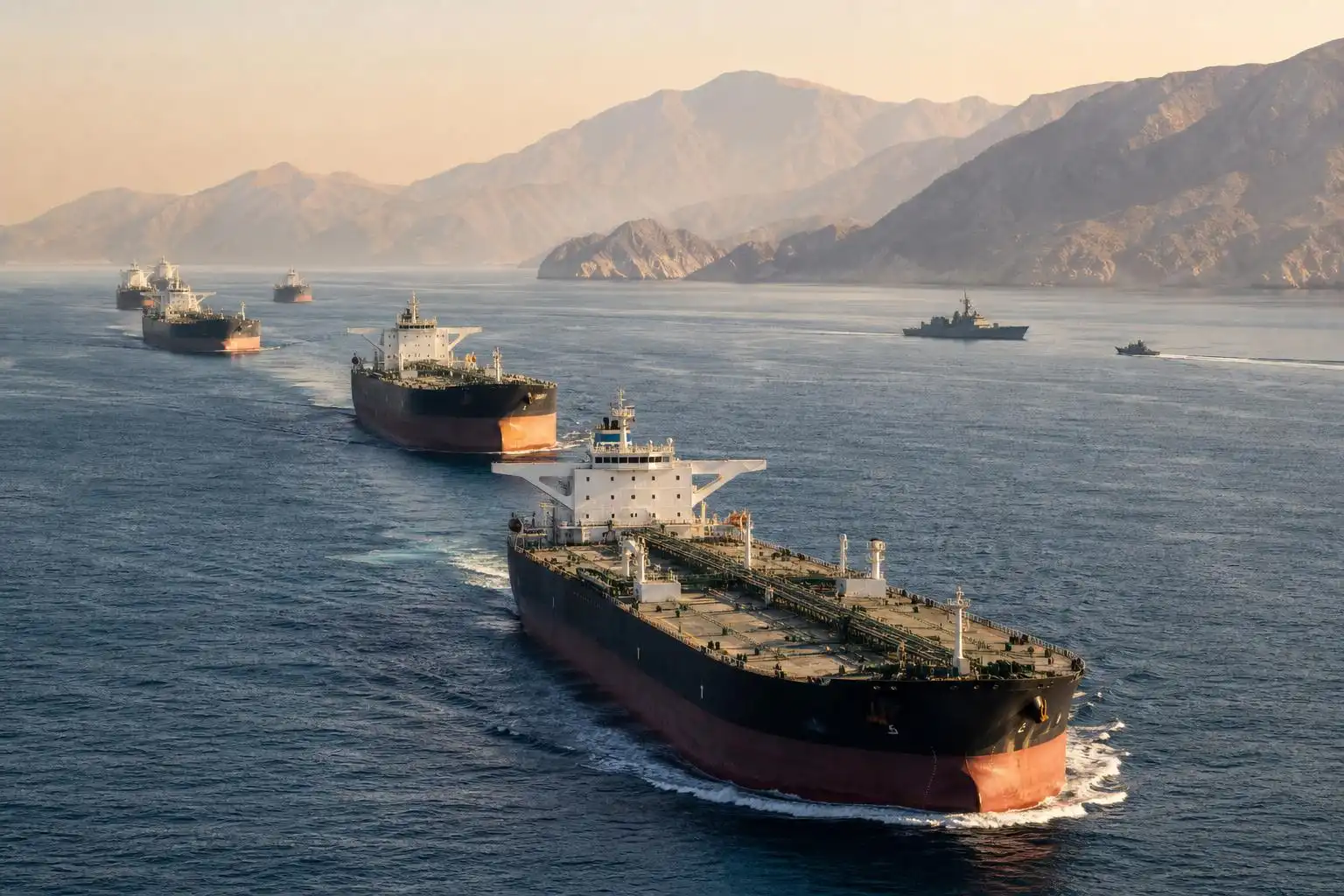

A shaky calm in the Strait of Hormuz remains the world’s biggest wild card. Washington touts rising ship traffic after a U.S.–Iran memorandum that envisions an end to the U.S. naval blockade within 30 days and Iranian mine‑clearing with toll‑free passage for 60 days, while Tehran insists the choke point is still effectively shut. U.S. officials say more than nine million barrels per day are transiting now—roughly two‑thirds of pre‑war flows when pipelines are included—and the UK Maritime Trade Operations center counted 59 ships through in 48 hours. Iran disputes those figures, and U.S. Central Command has dismissed an Iranian report of an attempted U.S. incursion as “a total lie.”[5] Tehran has also publicly said there is “no rush” to reopen the strait fully, underscoring a grinding standoff that continues to rattle energy markets.[1]
Policy signals from Washington suggest no quick diplomatic exit. U.S. Energy Secretary Chris Wright said a nuclear agreement with Iran “may not” be achievable anytime soon and argued military action is still needed to address Tehran’s threat. China, for its part, has condemned new U.S. sanctions on Iran and its trading partners as “illegal,” highlighting a widening international split over how to pressure the Islamic Republic.[7][4]
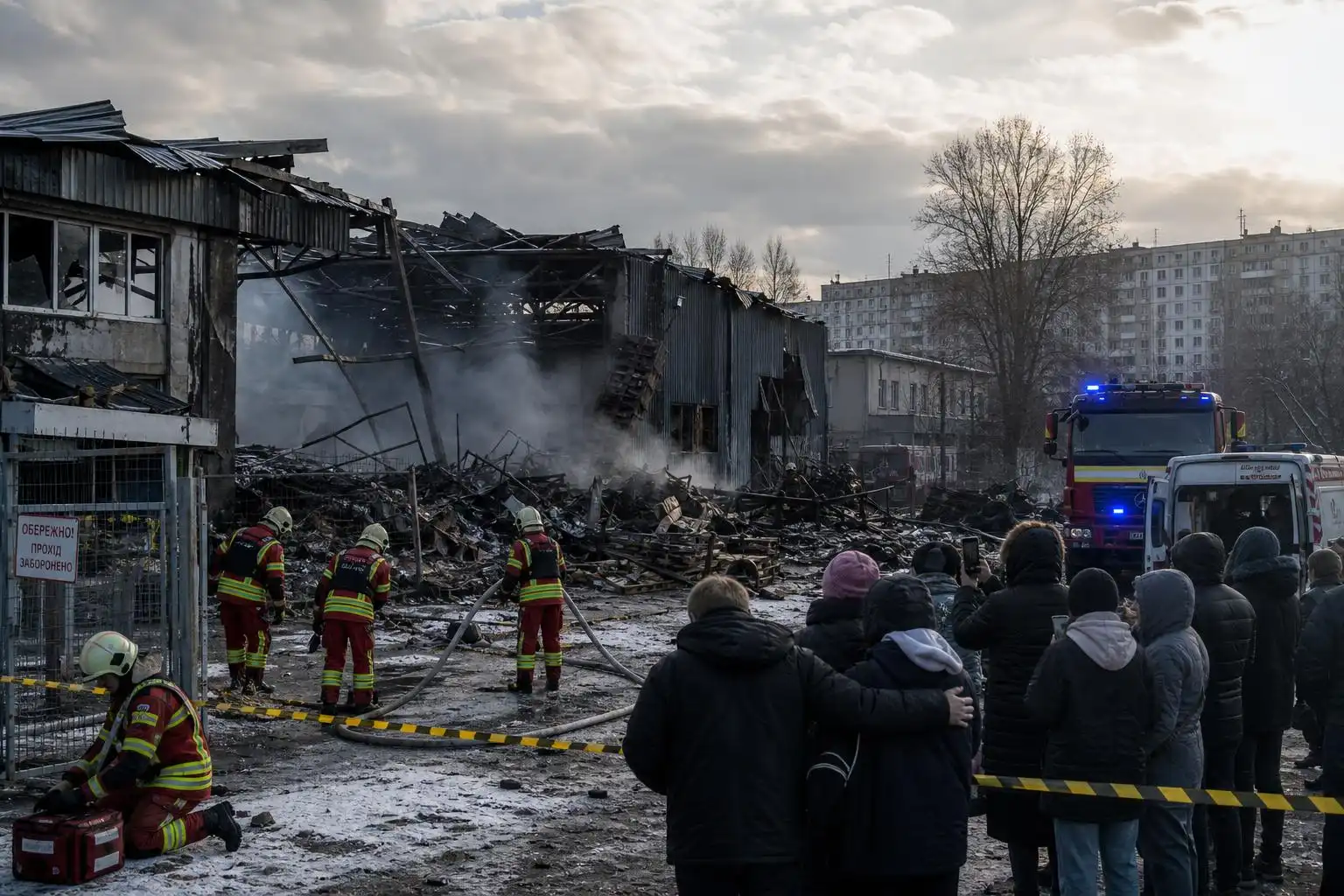
On the war’s human ledger, Ukraine is counting its dead after a Russian strike on a warehouse near Kyiv killed at least 37 people in one of the conflict’s most lethal single attacks in months, according to local authorities.[1]
In the occupied Palestinian territories, Israeli attacks in Gaza killed four people and hit a hospital supply warehouse, Palestinian officials said. Separately, an NBC News crew was attacked and injured by Israeli settlers in the occupied West Bank, drawing fresh scrutiny to settler violence. In the U.S., a federal judge rejected an effort by the Trump administration to deport pro‑Palestinian students, a ruling with implications for campus speech and immigration enforcement.[1]
Haiti’s security and migration crises are colliding. Thirteen captives were freed after a mass kidnapping in Kenscoff, local officials said, a rare dose of relief amid rampant gang control. Yet deportation flights from the United States are stranding returnees in a country many barely know: following the Supreme Court’s green light to terminate Temporary Protected Status for Haitians, dozens are being flown to Cap‑Haïtien with little cash, minimal government assistance and dangerous, gang‑held roads between them and their hometowns.[1][3]
Across Latin America and the region’s diaspora, the headlines were equally stark. Ecuador’s intelligence chief, Michele Sensi‑Contugi, and his wife were among seven killed in a helicopter crash in Kenya; five Americans also died, Ecuadorian and Kenyan officials said. In Peru, a magnitude‑6.7 quake in the Ayacucho region damaged buildings and knocked out power. And the Panama Canal will further limit daily transits due to El Niño‑driven drought, a decision with knock‑on effects for global supply chains. The U.S. also announced expanded sanctions on Cuban officials and entities, intensifying pressure on Havana.[2]
In other developments: the U.S. said far‑right provocateur Milo Yiannopoulos has been deported to the U.K., and India’s powerful RSS drew criticism over a U.S. visit described by opponents as a “goodwill tour” for Hindu nationalism. Meanwhile, Team USA survived a World Cup scare against Italy to clinch a quarterfinal berth, extending its international winning streak.[1][6]
Big picture: Oil flows through Hormuz are improving but fragile; diplomacy looks distant; and conflict theaters from Kyiv to Gaza continue to exact a civilian toll. Add climate‑strained chokepoints like the Panama Canal and the hemisphere’s worsening migration pressures, and the week ahead promises more stress tests for policy makers and markets alike.[5][2]
References
- Breaking News, World News and Video from Al Jazeera — https://www.aljazeera.com
- Latin America | Latest News & Updates – BBC — https://www.bbc.com/news/world/latin_america
- Deported From the U.S., Some Haitians Are Left Broke and Stranded — https://www.nytimes.com/2026/09/06/world/americas/haiti-deportees.html
- Iran – BBC News — https://www.bbc.com/news/topics/cjnwl8q4ggwt
- Can Iran enforce a restricted zone in the Strait of Hormuz? — https://www.aljazeera.com/news/2026/9/7/can-iran-enforce-a-restricted-zone-in-the-strait-of-hormuz
- Team USA struggles and survives World Cup scare from Italy — https://www.nytimes.com/athletic/7570828/2026/09/06/team-usa-italy-world-cup-win-struggle
- U.S. energy secretary says Iran nuclear deal ‘may not’ happen anytime soon — https://www.washingtonpost.com/world/2026/09/06/us-energy-secretary-chris-wright-says-iran-nuclear-deal-may-not-happen


Leave a Reply